-
Power Up with Lithium Batteries: Your Ultimate Guide
Lithium batteries have emerged as the go-to choice for a wide range of applications, from powering smartphones to storing renewable energy.Read more -
Unlocking Power: The Versatility Of Lithium Batteries
In the realm of portable power, lithium batteries reign supreme. From the compact 1.5-volt versions to the robust 12-volt behemoths, these energy sources have revolutionized how we store and utilize power.Read more -
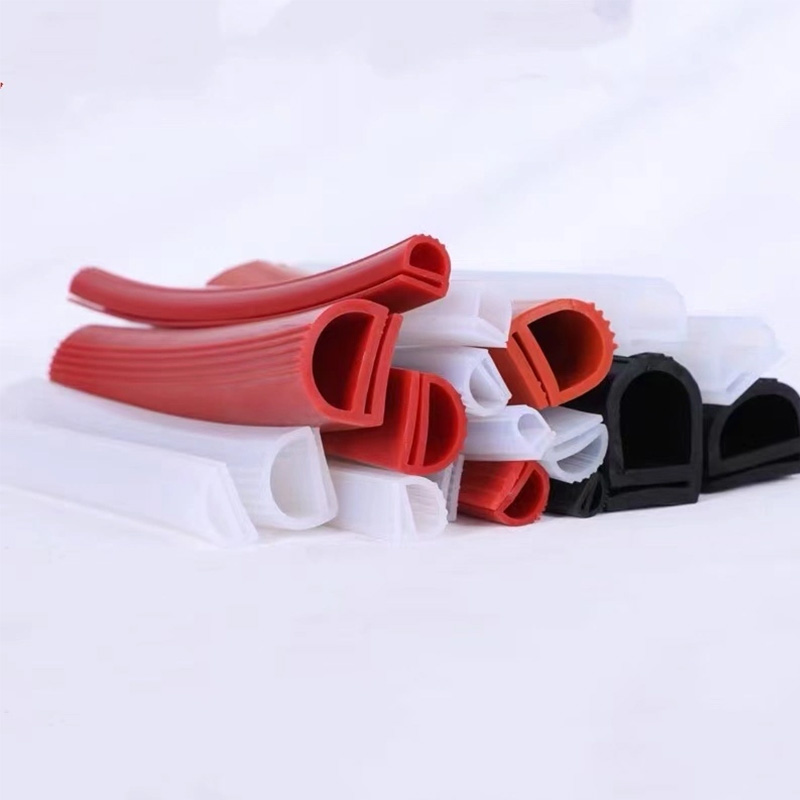
rubber sealing strip-Weather Stripping For Doors
Weather stripping for doors has always been essential to every house or building, even small cabinets of different applications. Door seal strips or weather stripping for doors are made of synthetic rubber or plastics. And they primarily fill the gap between the door jambs. As a result, door seal strips keep the indoor environment temperature constant, resulting in a 15% cost-effective solution.We brought this article to explain different weather stripping types for doors popular in most buildings and apartments. “Door Seal Strip: DIY Installation Guide” will help you understand installation tricks of door seal strips in your house. Each type of weather strip for doors below describes the unique applications. Besides it will also guide you directly to the manufacturer’s specific product page.Read more -
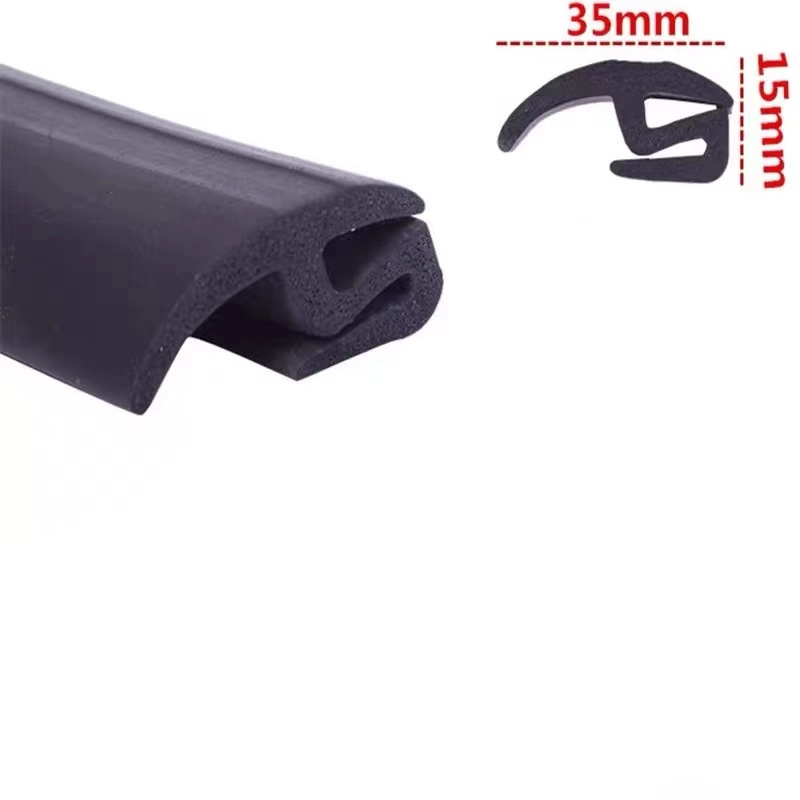
jute products-How to Seal a Door Gap
Any well-sealed door requires two components: weatherstripping, which covers the sides and top of the door, and a sweep, which fills the space between the threshold and the door bottom. Hardware stores and home centers sell an array of metal, foam, felt, and plastic products for this purpose.Tom prefers a weather seal system that includes a tubular silicone weatherstripping that fits against the doorstop and a twin-fin silicone sweep that fits beneath the door. Silicone makes an ideal weatherstripping because it’s durable, soft, and has no “compression memory”; it remains tight as the door swells and shrinks. The following steps will teach you how to weatherstrip a door to keep cold drafts from entering your home.Read more -
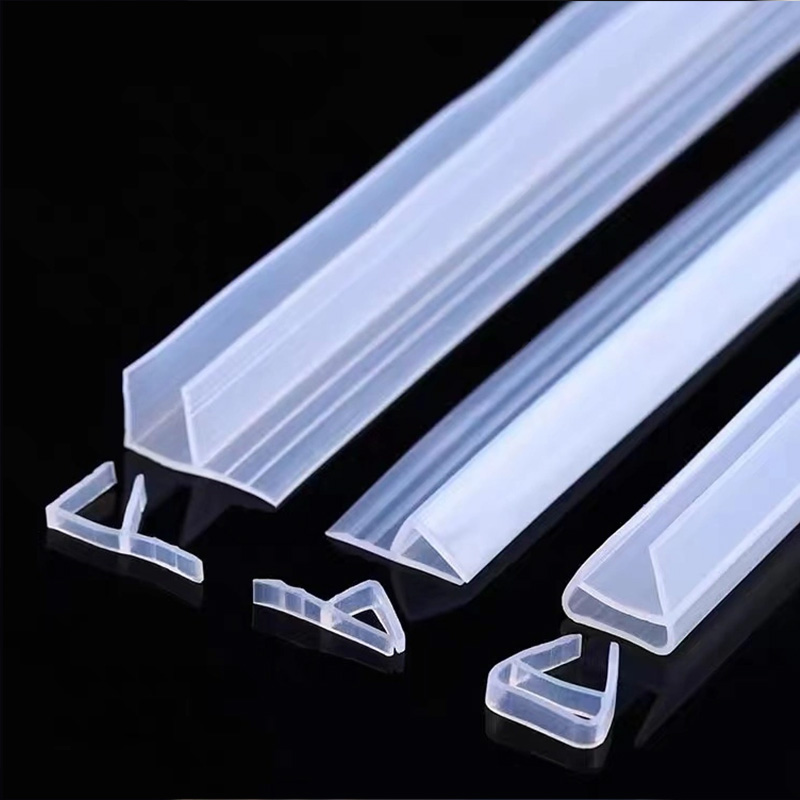
steel file-Gaps at the Bottom of a Door
Weather stripping is a simple and cost-effective way to reduce the amount of unwanted air, dust, moisture, and bugs that enter a home. Additionally, weather stripping also saves money on energy costs, reduces energy usage, increases comfort, and creates a healthy home environment. Weather stripping does so by preventing air leaks, which occur when outside air enters your home and inside air leaves your home through cracks and openings. To prevent these leaks, weather stripping fills the cracks and gaps around doors and windows, reducing the amount of air leaks and eliminating drafts or cold spots.Read more -
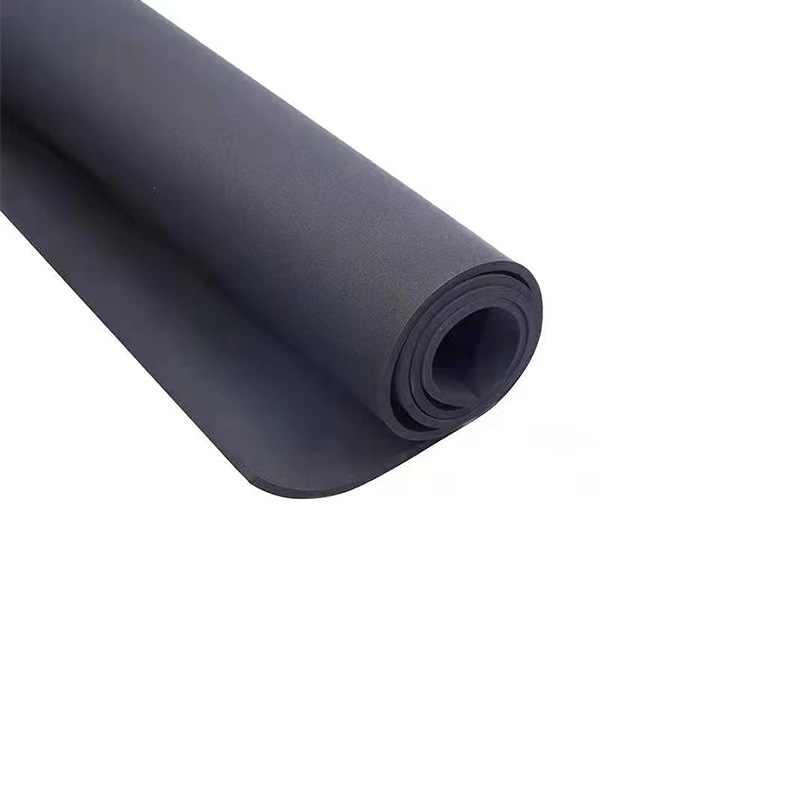
rubber sealing strip-How to weatherstrip an exterior door
Weatherstripping is a cheap and easy way to stop door drafts and reduce heating costsAdhesive-backed weatherstrip seals are the simplest to installConsider installing a door sweep to prevent under-door draftsIf you’re looking for ways to reduce drafts and lower heating bills this winter, start at your front door or—more specifically—the weatherstripping around it. An entry door relies on weatherstripping to seal its perimeter and prevent frigid air from blowing in.When weatherstripping fails—as it eventually does—cold air enters and warm air leaks out through gaps between the door and its frame. Besides draft-proofing your home, sealing air leaks can slash heating bills by 10–20% annually, according to the U.S. Department of Energy (DOE).Read more -
jute products-How to Replace Weather Stripping
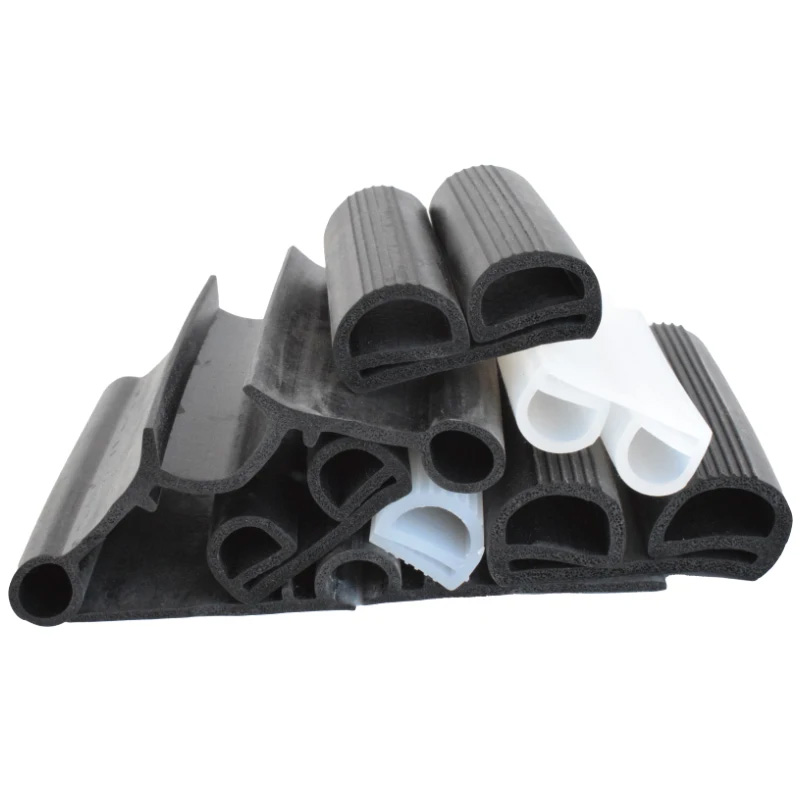
There’s no shortage of weather stripping options at hardware stores and home improvement centers. As is often the case, the cheaper and easier the product is to install, the less effective and durable it probably is over time. Adhesive-backed foam tape is inexpensive — costing less than a buck a foot — and peel-and-stick types are easy as pie to install. It works best where the bottom of a window sash closes against a sill, or a door closes against a doorframe. It’s the compression that produces the seal. Don't expect this product to survive longer than 3 to 5 years. V-shaped weather stripping, sometimes called tension-seal weather stripping, is the best option for the side channels of a double-hung window or a tight-fitting door. This product springs open to close gaps and plug leaky windows and doors. Inexpensive peel-and-stick V-shaped vinyl (as little as $0.50 per foot) is easy to install but won’t last much longer than foam tape. More expensive copper or bronze styles cost as much as $2 per foot and must be nailed into place, but they look better and will last decades. Tubular rubber or vinyl gaskets prove the most effective for sealing large and irregular gaps, such as around an old door. These hollow tubes are large enough to plug big gaps but soft enough to compress nearly flat. Types that are nailed in place last longer than peel-and-stick varieties. Prices range from less than $1 per foot for peel-and-stick to $1.25 per foot for nail-in-place.Read more -
steel file-How to Install Weather Stripping on a Door
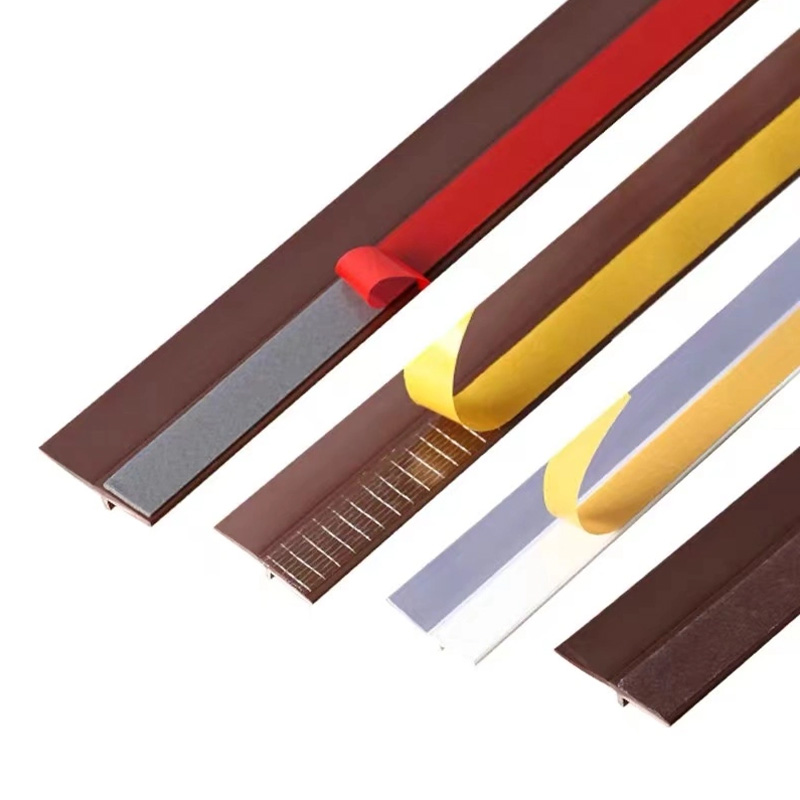
When cold weather arrives, the one place you don't want it to visit is inside your home. Exterior doors are critical spots that permit cold air to migrate indoors.If drafts are leaking around and under your door, it might seem like you need a new door, but maybe not. Door weather stripping has a limited lifespan and is meant to be replaced every few years. If you know how to install weather stripping on a door, you can increase your indoor comfort, plus save a substantial amount of energy and money.Read more -
jute products-How to Weatherstrip a Door the Right Way and Seal Door Gaps
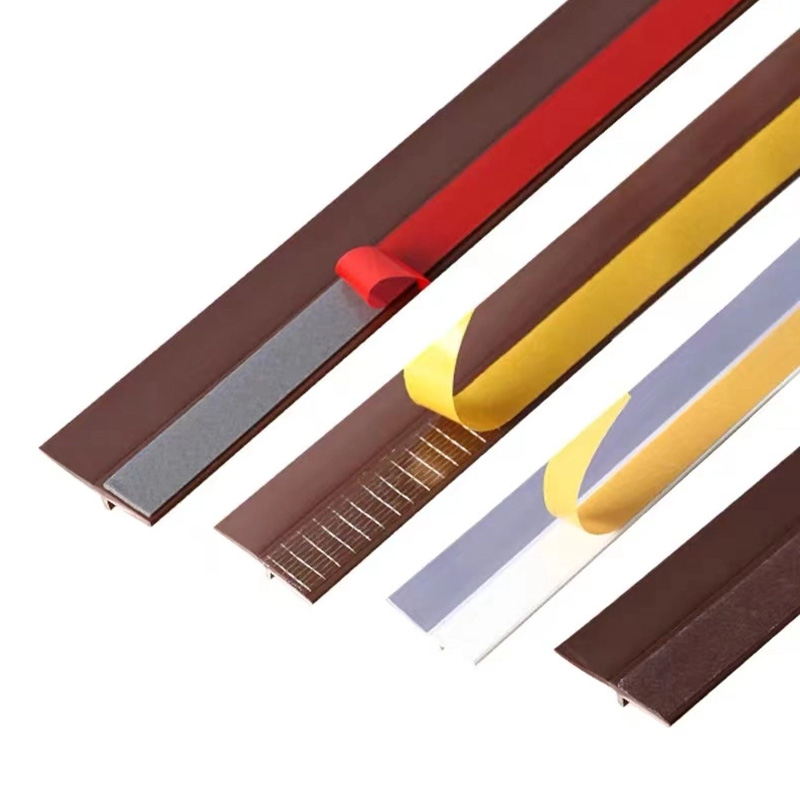
Learn how to install door weatherstripping and you will put an end to energy-wasting drafts. When you look for places to weatherize your home for winter energy savings, door weatherstripping is a great place to start. You may find air leaks around the house, however, doors are one of the most common culprits. The steps for how to seal door gaps are simple with the right tools and products.Read more -
steel file-How To Replace Weatherstripping On A Commercial Storefront Door
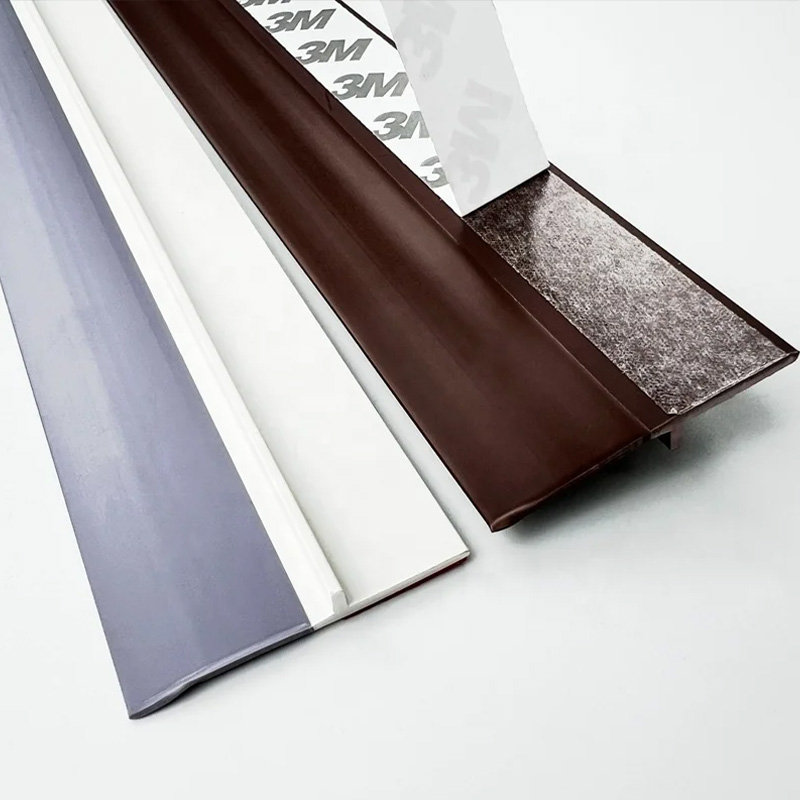
Using a ruler or tape measure carefully measure the backing width of the weatherstripping. This is the width of the plastic base portion of the weatherstripping. This is the most important measurement. You want to match the same backing width for the new pile weatherstripping so that it will slide into the channel. Most storefront door manufacturers use a fairly wide channel. The existing weatherstripping often slides into the channel with room to spare. Keep this in mind when ordering the new pile weatherstripping. Also, remember all storefront door manufacturers use different sized pile weatherstripping. They also change the weatherstripping used over time. As an example a pile weatherstripping used on a Kawneer storefront door from 1985 could be different than the pile weatherstripping used on a Kawneer storefront door manufactured in 2018.Read more -
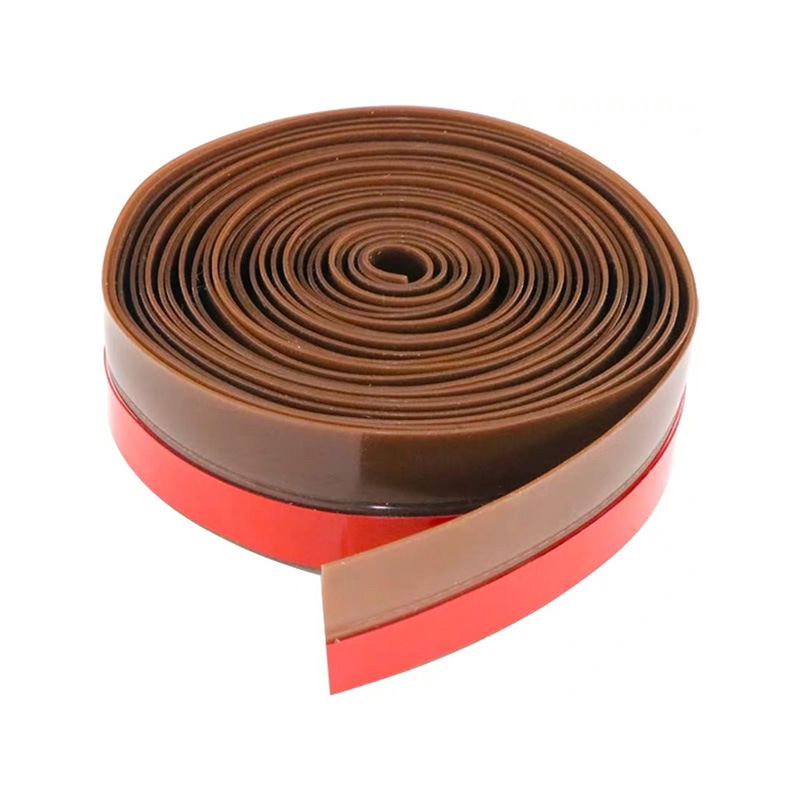
rubber sealing strip-How to Replace a Door Weatherstrip Seal
The most common type of weatherstripping is a rubber material that takes on the form of a flange-style bulb.First, grip the weatherstripping with your fingers (preferably at an end or a corner).Gently pull the flange away from the groove that is found on the door jamb. Repeat this process for the vertical and horizontal sections.Read more -
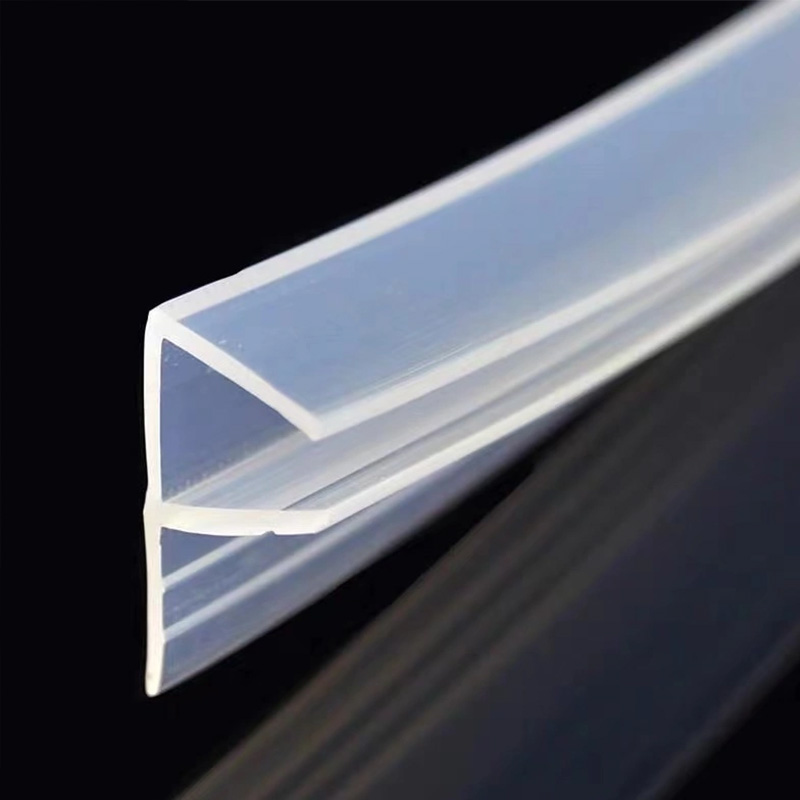
jute products-How To Replace A Rubber Seal On A UPVC Door
Does your door stick a little whenever you close it? Or is it draughty during the windy or cold season? If so, your rubber seals may be damaged and need replacement. Neglecting this issue could lead to water leakage and other problems that might wind you up. But how should you replace a rubber seal? In this article, we’re going to discuss how to replace rubber seals. It generally comes as one single piece so it can be a bit tricky but for £5 – £15 it’s very cost-effective. However, you might want to look through this post to see what’s what.Read more