Advanced lithium ion battery assembly line Solutions for Algeria's Energy Transition

Empowering Algerian industrialization with precision battery manufacturing technology tailored for North African climates and economic growth.

Advanced lithium ion battery assembly line Solutions for Algeria's Energy Transition

We provide turnkey manufacturing systems designed to localize lithium battery production in Algeria, reducing import reliance and optimizing energy storage efficiency.

The State of Battery Manufacturing in Algeria

Analyzing the intersection of industrial demand and environmental challenges in North Africa.

Algeria is currently witnessing a strategic shift toward renewable energy to diversify its economy. However, the high ambient temperatures of the Sahara region pose significant challenges for battery stability, necessitating high-precision rubber seal strip applications to prevent dust ingress and thermal leakage in battery housings.

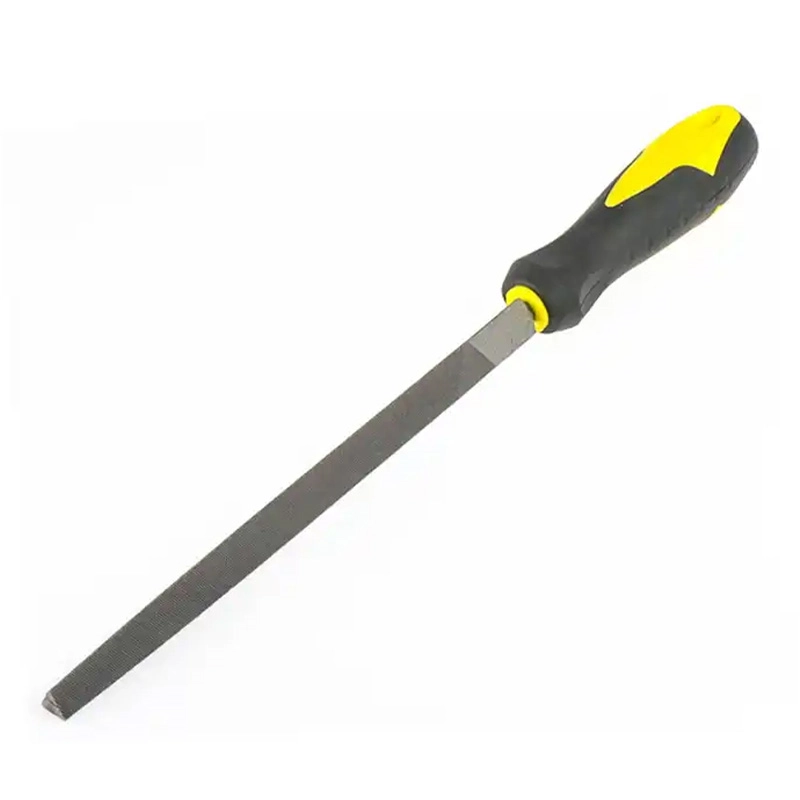
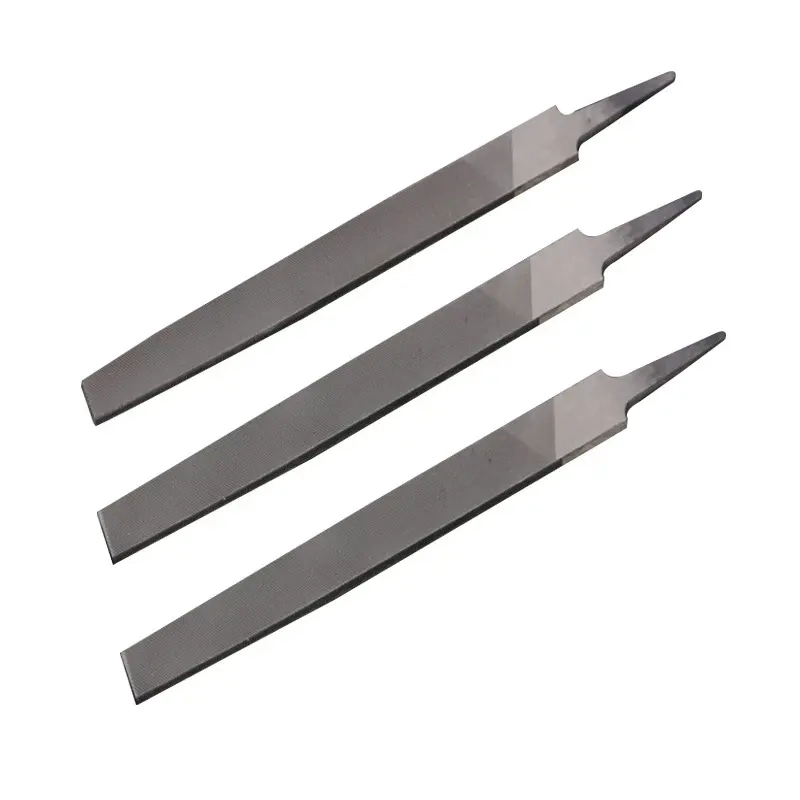
The industrial landscape is transitioning from simple assembly to full-scale manufacturing. While traditional tools like steel files are still used in basic metal workshops, the demand for automated precision is skyrocketing to meet the standards of modern EV and ESS sectors.

Despite the progress, logistical hurdles persist. Many components are still shipped in traditional jute bags or basic packaging, highlighting the need for an integrated domestic supply chain that can support high-tech assembly lines without relying on fragile international logistics.

Evolution and Trajectory of Algerian Energy Storage

From lead-acid dominance to the era of high-density lithium ions.

Market Development History

Prior to 2010, the Algerian market was dominated by lead-acid batteries used primarily for automotive starters. Manufacturing was rudimentary, focusing on basic chemical filling and casing.

Between 2015 and 2022, the introduction of solar initiatives led to the first wave of imported lithium cells. This period saw the rise of "cottage industry" assembly, where manual tools were the norm.

From 2023 onwards, the government's push for local content (Integration Rate) has forced a shift toward the installation of full-scale, automated production systems to ensure quality and scalability.

Future Development Trends

LFP Dominance for Heat Resistance

Given Algeria's climate, Lithium Iron Phosphate (LFP) technology will dominate due to its superior thermal stability compared to NMC.

Automation Integration

Transitioning from semi-automatic to fully AI-driven assembly to reduce human error and increase throughput per square meter.

Circular Economy Implementation

Establishment of local recycling hubs to recover cobalt and lithium, creating a closed-loop manufacturing ecosystem within the region.

Industry Trends and Future Outlook

Predicting the technological leap in Algeria's battery sector over the next 5 years.

Smart Grid Integration
Integration of battery storage with Algeria's national grid to stabilize intermittent solar power loads.
Modular Production
Scalable assembly lines that allow Algerian firms to increase capacity as EV demand grows.
Thermal Management AI
Implementing AI-driven cooling systems to protect cells from extreme North African heat.
Sustainable Sourcing
Shifting away from basic packaging to specialized industrial transport to ensure cell integrity.

Industry Outlook

Google search trends indicate a rising interest in "green hydrogen" and "energy storage" within the Maghreb region. We expect the Algerian battery market to grow at a CAGR of 12% as the country positions itself as a regional energy hub for Europe and Africa.

The future lies in the synergy between local mineral exploration and advanced assembly. By deploying high-end manufacturing lines, Algeria can move from being a consumer to a primary exporter of energy storage systems.

Localized Application Scenarios in Algeria

Real-world deployments of battery technology across diverse Algerian sectors.

01. Sahara Solar Farm Energy Storage

Implementing large-scale ESS using LFP cells to store daytime solar energy for night-time industrial use in Adrar and Tamanrasset.

02. Urban E-Mobility in Algiers

Developing localized assembly for electric bus battery packs to reduce urban pollution and noise in the capital city.

03. Remote Agricultural Power Solutions

Providing modular battery units for irrigation pumps in rural farming zones, replacing expensive and polluting diesel generators.

04. Industrial Backup for Oil & Gas

Installing high-reliability UPS systems for critical infrastructure in the Hassi Messaoud oil fields to prevent downtime.

05. Off-grid Telecommunications Power

Deploying long-cycle lithium batteries for telecom towers in mountainous regions where grid extension is geographically impossible.

Brand Story

Global Development Journey of Xingtai Shuoding Trading Co., Ltd.

Industrial Foundations

Founded on the principle of precision, we began by providing high-quality industrial tools to global manufacturers, ensuring every cut and fit was perfect.

Diversification Era

Expanding beyond tools, we integrated material science, providing critical components that bridge the gap between raw materials and finished products.

The Battery Revolution

Recognizing the global shift to green energy, we pivoted to provide complete battery assembly solutions, solving the pain point of technical barriers for emerging markets.

African Market Focus

We established specialized support for the North African region, adapting our machinery to withstand extreme heat and dusty environments.

Vision for 2030

Our mission is to empower every developing nation with the tools to achieve energy independence through sustainable battery manufacturing.

Comprehensive Product Portfolio for Algeria

From precision tools to full-scale automation lines for the battery industry.

Algeria Battery Industry FAQ

Addressing common technical and logistical concerns for local manufacturers.

How to maintain a lithium ion battery assembly line in Algeria's dusty environment?

The key is implementing high-grade rubber seal strip protection on all sensitive electronics and using positive-pressure clean rooms to keep desert dust out of the assembly zone.

Can we use traditional jute bags for transporting raw battery components?

No, while jute bags are excellent for agricultural products, battery cells require moisture-proof, ESD-safe packaging to prevent contamination and short circuits.

Are steel files still relevant in modern automated battery plants?

Yes, steel files remain essential for manual maintenance of housing molds and precision adjustment of mechanical jigs during the initial line setup.

What is the best chemistry for energy storage in the Sahara region?

Lithium Iron Phosphate (LFP) is highly recommended for the Algerian climate due to its higher thermal runaway threshold and longer cycle life under heat.

How long does it take to commission a full battery assembly line?

Typically, from order to full production in Algeria, it takes 6 to 9 months, including shipping, installation, and staff training on the equipment.

Do you provide specialized packaging for pet snacks or other non-industrial goods?

While our focus is industrial, we leverage our material science expertise to provide various packaging solutions, including those for pet snacks, ensuring freshness and durability for the consumer market.

Ready to Localize Your Production?

Our experts are ready to help you build a world-class manufacturing facility in Algeria.

Contact Us Now

If you are interested in our products, you can choose to leave your information here, and we will be in touch with you shortly.