Advanced lithium ion battery assembly line Solutions for Cuba's Energy Transition

Empowering Cuba's industrial infrastructure with high-precision battery manufacturing systems and durable industrial components for sustainable energy storage.

The Current State of Battery Manufacturing in Cuba

Analyzing the intersection of energy scarcity and industrial modernization in the North American Caribbean.

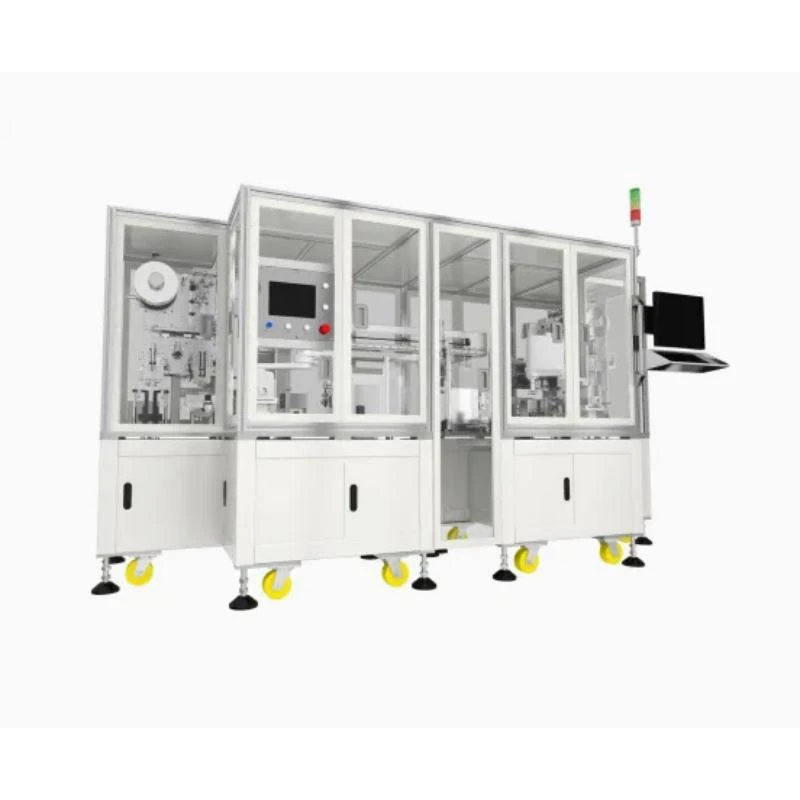
Cuba currently faces a critical need for decentralized energy storage to stabilize its power grid. The adoption of a lithium ion battery assembly line is becoming a strategic priority to reduce reliance on imported fuel and mitigate the impact of frequent blackouts across the island.

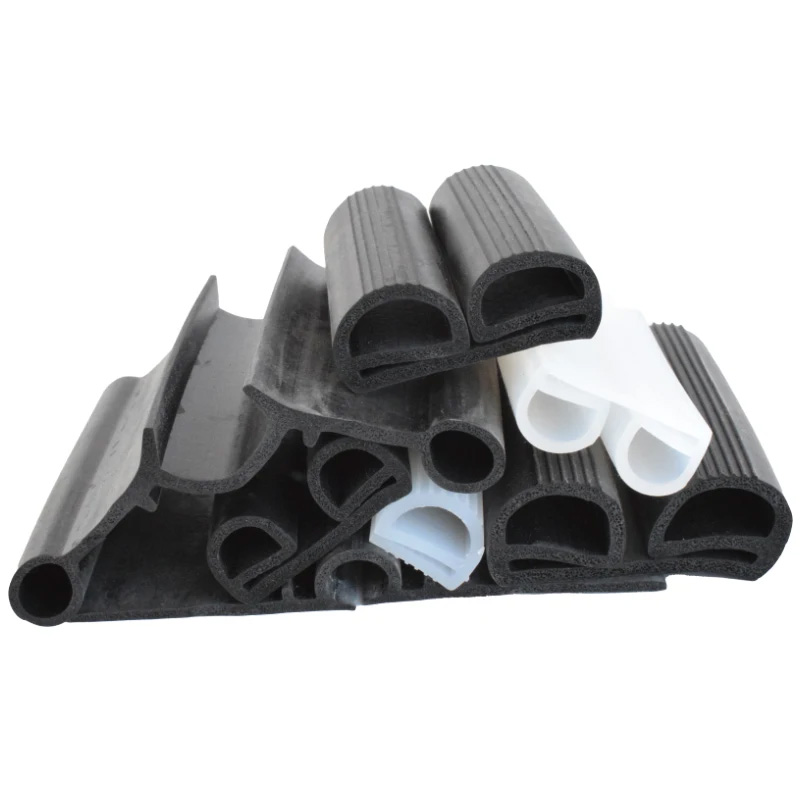
Environmental challenges, specifically high humidity and saline air from the coast, necessitate the use of high-grade rubber seal strip components in all electrical housings to prevent corrosion and short-circuiting in battery modules.

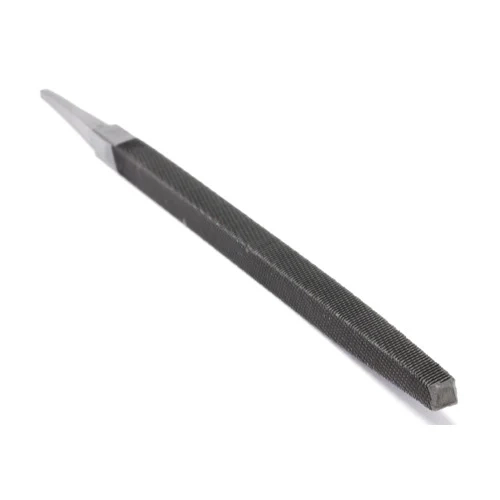
While the industrial sector is transitioning, there remains a reliance on basic maintenance tools like steel files for manual finishing in local workshops, highlighting a hybrid state of manual craftsmanship and emerging high-tech automation.

Evolution and Development Trajectory of Cuban Energy Tech

From lead-acid legacy systems to intelligent lithium-ion automation.

Market Development History

Prior to 2010, Cuba's energy storage relied almost exclusively on lead-acid batteries, which suffered from low energy density and short lifespans in tropical heat. Maintenance was labor-intensive, often requiring basic tools for terminal cleaning.

Between 2015 and 2022, the focus shifted toward solar integration. This period saw the introduction of basic pack assembly, moving away from purely imported cells toward localized assembly using imported components and protective packaging like jute bags for raw material transport.

From 2023 onwards, the industry is pivoting toward full-scale automation. The implementation of a professional lithium ion battery assembly line is now the catalyst for achieving energy sovereignty and supporting electric mobility (E-mobility) in Havana and beyond.

Future Development Trends

LFP Chemistry Dominance

Due to safety requirements and thermal stability in Cuba's hot climate, Lithium Iron Phosphate (LFP) will dominate the localized assembly market over the next 3 years.

Automation of Quality Control

Integrating AI-driven visual inspection into the assembly line to reduce human error and increase the yield of grade-A battery packs.

Circular Economy Integration

Developing local recycling hubs to recover cobalt and lithium, reducing the environmental footprint of the manufacturing process.

Industry Trends and Future Outlook (2025-2030)

Strategic forecasts for the battery manufacturing sector in Cuba.

Smart Grid Integration
Transitioning from isolated battery packs to interconnected smart grids that optimize energy distribution across Cuban provinces.
Modular Assembly Scaling
Adopting modular assembly lines that can be scaled based on local demand for e-bike and e-bus batteries.
Climate-Resilient Tech
Implementing advanced thermal management and hermetic sealing to combat Caribbean humidity and salt air.
Localized Supply Chains
Reducing lead times by sourcing protective materials and casing components from regional partners.

Industry Outlook

Google search trends for "sustainable energy storage" and "electric vehicle assembly" in the Caribbean region indicate a surge in industrial interest. Cuba is poised to become a regional hub for small-to-medium scale lithium battery production if infrastructure investment continues.

The synergy between high-tech automation and durable consumables—ranging from the precision of the assembly line to the reliability of sealing strips—will define the competitive edge of Cuban manufacturers.

Localized Application Scenarios in Cuba

Practical implementations of battery technology in the Cuban socio-economic landscape.

01. Solar-Powered Agricultural Irrigation

Deploying battery packs assembled on our lithium ion battery assembly line to power water pumps in rural tobacco and sugar cane fields, ensuring year-round irrigation.

02. Urban E-Mobility Infrastructure

Providing customized energy cells for the conversion of classic American cars into EVs in Havana, utilizing industrial steel files for chassis modifications.

03. Healthcare Energy Backup

Installing high-capacity ESS (Energy Storage Systems) in provincial clinics to maintain cold-chain storage for vaccines, protected by industrial-grade rubber seal strip for weatherproofing.

04. Industrial Logistics and Warehousing

Supplying heavy-duty batteries for electric forklifts in ports, where raw materials are often transported in durable jute bags to prevent moisture damage.

05. Diversified Commercial Supplies

Supporting local businesses in the pet care sector by providing high-efficiency logistics solutions for the distribution of pet snacks and accessories through electric delivery fleets.

Brand Story

Global Development Journey of Xingtai Shuoding Trading Co., Ltd.

Foundation and Vision

Established with a mission to bridge the gap between high-end industrial machinery and emerging markets, focusing on precision and reliability.

Technological Breakthroughs

Developing proprietary assembly line configurations that maximize efficiency while minimizing energy consumption during the manufacturing process.

Global Market Expansion

Expanding our footprint across North America and the Caribbean, tailoring industrial solutions to meet the unique climatic challenges of each region.

Commitment to Sustainability

Integrating eco-friendly materials and promoting the adoption of lithium-ion technology to replace toxic lead-acid alternatives globally.

Future-Proofing Industry

Investing in R&D for solid-state battery assembly to lead the next generation of the global energy transition.

Integrated Product Portfolio for the Cuban Market

A comprehensive range of manufacturing equipment and industrial consumables tailored for North America - Cuba.

Frequently Asked Questions - Cuba Industrial Edition

Technical insights and procurement guidance for battery manufacturing in Cuba.

How does a lithium ion battery assembly line handle high humidity environments?

Our lines are equipped with integrated dry-room modules and moisture-control systems, ensuring that cell assembly occurs in a low-dew-point environment to prevent contamination.

What is the best way to seal battery enclosures against Caribbean salt spray?

We recommend using high-density EPDM rubber seal strips which offer superior resistance to ozone, UV radiation, and saline corrosion common in Cuban coastal areas.

Can these assembly lines be scaled for small-batch custom battery production?

Yes, our modular design allows for flexible reconfiguration, making it ideal for Cuban enterprises producing specialized packs for e-bikes or solar backups.

What maintenance tools are essential for local battery pack refurbishing?

Beyond automation, precision hand tools like high-carbon steel files are essential for cleaning battery tabs and preparing casings during the refurbishing process.

How are raw materials protected during long-distance shipping to Cuba?

We utilize reinforced jute bags and moisture-proof vacuum packaging to ensure that sensitive components remain dry and secure during maritime transport.

Is the equipment compatible with LFP and NMC battery chemistries?

Absolutely. Our assembly lines are chemistry-agnostic, allowing operators to switch between LFP and NMC cells by adjusting the welding parameters and testing protocols.

Ready to Transform Cuba's Energy Future?

Contact our expert engineers to customize your industrial setup for North America - Cuba. We provide full-cycle support from equipment selection to installation.

Contact Us Now

If you are interested in our products, you can choose to leave your information here, and we will be in touch with you shortly.