Advanced lithium ion battery assembly line Solutions for Malaysia's Green Energy Sector

Empowering the Malaysian industrial landscape with high-precision battery manufacturing technology and integrated industrial supplies.

Advanced lithium ion battery assembly line Solutions for Malaysia's Green Energy Sector

Integrating state-of-the-art automation with robust industrial hardware to accelerate the adoption of EV and energy storage systems in Southeast Asia.

Current State of Battery Manufacturing in Malaysia

Analyzing the intersection of tropical climates and industrial electrification.

Malaysia's manufacturing sector is currently transitioning toward high-value electronics and energy storage. With the government's push for National Energy Transition Roadmap (NETR), there is a surging demand for localized lithium ion battery assembly line setups to reduce reliance on imports.

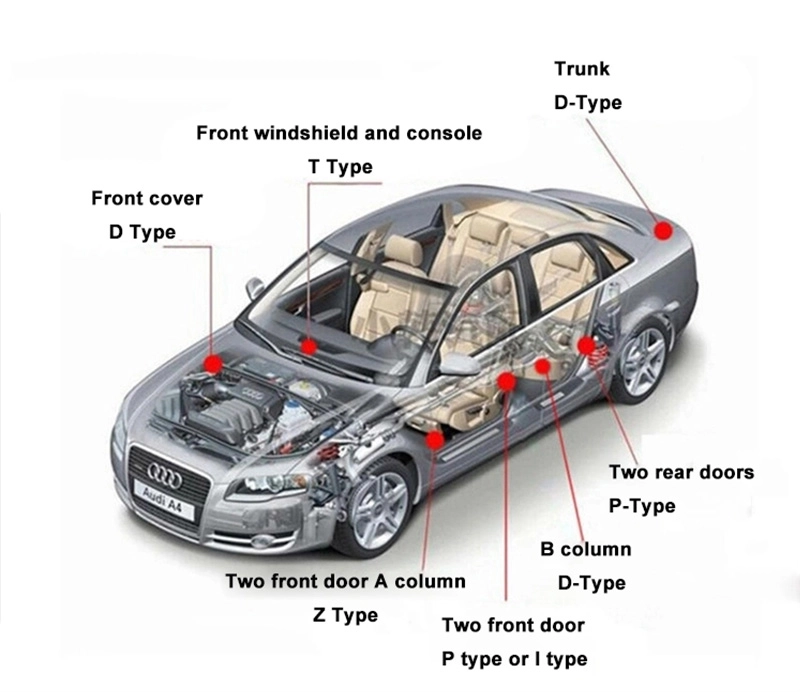
The humid tropical climate of Malaysia poses specific challenges for battery stability and production. This necessitates the use of high-quality rubber seal strip components in machinery to prevent moisture ingress and maintain the strictly controlled dry-room environments required for lithium cells.

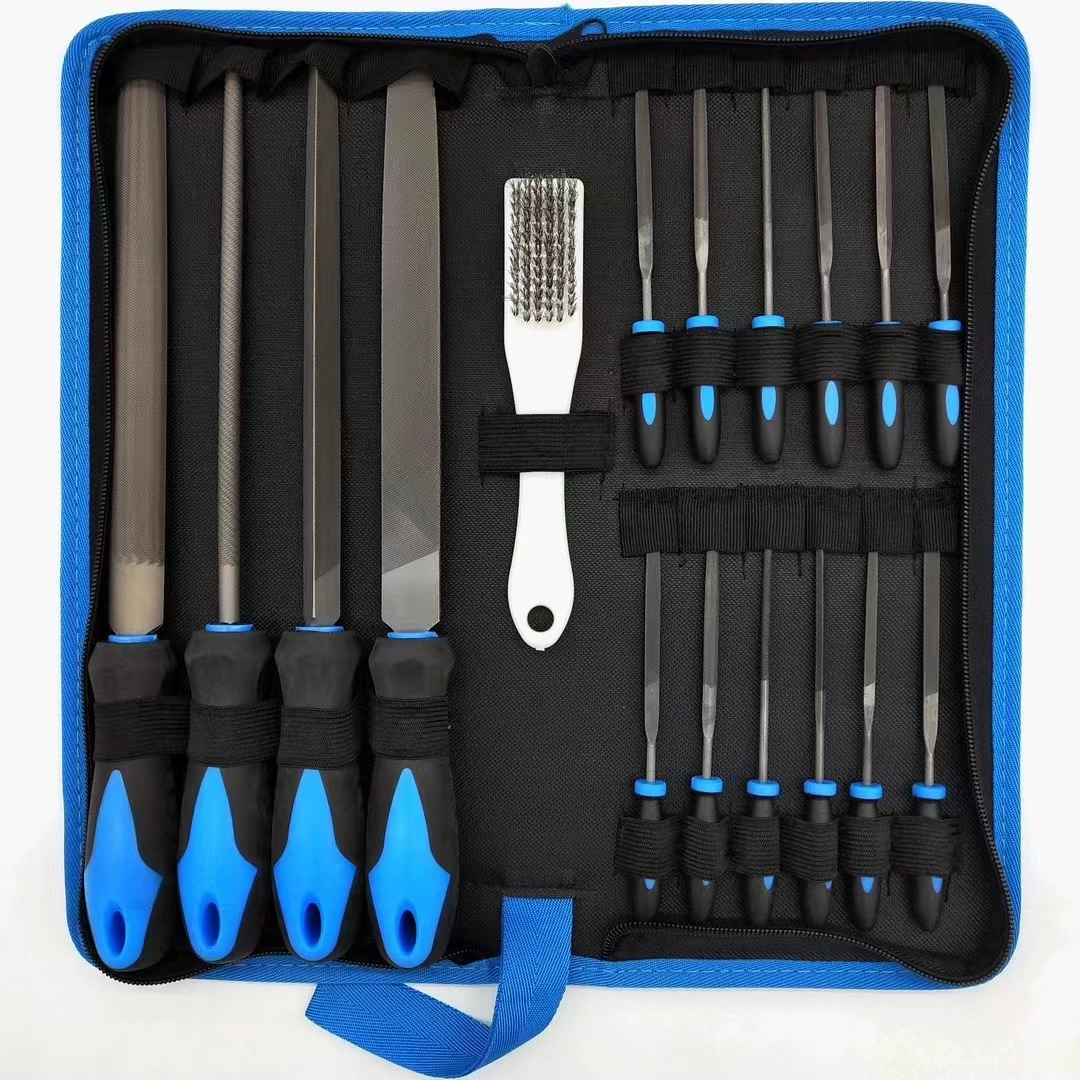
Furthermore, the diverse industrial base in regions like Penang and Johor requires a mix of precision tools and rugged packaging, where items ranging from steel files for prototype finishing to jute bags for bulk raw material transport are essential for operational continuity.

Evolution of Battery Production Technology

From manual cell assembly to fully automated smart factories.

Market Development History

Between 2010 and 2018, the Malaysian battery market was dominated by lead-acid technology and manual assembly processes. Production focused primarily on automotive starters, utilizing basic mechanical tools and manual quality checks.

From 2019 to 2023, the shift toward Lithium-ion began. The introduction of semi-automated lines allowed for better consistency, though many factories still relied on outsourced cell production, focusing only on pack assembly.

Currently, the industry is entering the "Industry 4.0" phase, where integrated AI-driven lines synchronize the entire process from electrode coating to final testing, drastically increasing the yield of high-capacity cells.

Future Development Trends

Solid-State Integration

The transition from liquid electrolytes to solid-state batteries is expected to redefine assembly line architecture, requiring new precision handling tools.

Zero-Carbon Manufacturing

Integration of solar-powered factories to align with Malaysia's ESG goals, reducing the carbon footprint of the battery production lifecycle.

Circular Economy Adoption

The rise of automated recycling lines to recover cobalt and lithium, creating a closed-loop system within the ASEAN region.

Industrial Outlook and Strategic Trends

Forecasting the trajectory of electrical machinery and battery ecosystems.

Hyper-Automation
Implementation of 5G-enabled robotics for real-time monitoring of battery cell voltage and internal resistance.
Material Innovation
Shift toward silicon-anode batteries to increase energy density for Malaysia's urban EV fleets.
Smart Logistics
Optimized supply chains for raw materials, ensuring precision tools and parts arrive JIT (Just-In-Time).
Diversified Applications
Extending battery tech into agricultural drones and remote energy storage for East Malaysia.

Industry Outlook

Google search trends indicate a significant spike in "sustainable manufacturing" and "lithium battery plants" within the Asia-Pacific region. For Malaysia, this translates to a move toward vertically integrated production, where everything from raw mineral processing to final pack assembly happens locally.

We expect the next 3-5 years to see the emergence of "Micro-factories" in Malaysia—smaller, highly flexible assembly lines that can quickly pivot between producing home ESS (Energy Storage Systems) and specialized EV battery packs.

Localized Application Scenarios in Malaysia

Real-world deployment of electrical machinery and auxiliary industrial supplies.

01. EV Battery Pack Assembly in Selangor

Deployment of a full lithium ion battery assembly line for local electric scooter brands, utilizing high-precision welding and automated testing modules.

02. Industrial Maintenance Hubs in Johor

Provision of precision steel files and machining tools for the maintenance of heavy electrical equipment in the Iskandar region.

03. Weather-Proofing for Solar Inverters

Using industrial-grade rubber seal strip to protect energy storage enclosures from Malaysia's extreme humidity and heavy rainfall.

04. Agricultural Supply Chain Logistics

Implementing reinforced jute bags for the breathable transport of raw minerals and industrial components across rural plantations.

05. Niche Market Diversification: Pet Care Logistics

Integrating automated packaging lines for pet snacks, demonstrating the versatility of our conveyor and sealing technology beyond the battery sector.

Brand Story

Global Development Journey of Xingtai Shuoding Trading Co., Ltd.

Foundational Excellence

Established with a vision to bridge the gap between raw industrial manufacturing and high-precision application, focusing on core electrical components.

Technological Pivot

Recognizing the global shift toward electrification, we invested heavily in the R&D of automated assembly solutions for the energy sector.

Market Expansion

Successfully entered the Southeast Asian market, tailoring our equipment to meet the specific climate and regulatory needs of Malaysia.

Quality Certification

Achieved international standards in precision engineering, ensuring every tool and line meets rigorous global safety and efficiency benchmarks.

Sustainable Future

Now committed to providing "Green Factory" solutions, helping clients reduce waste through efficient battery assembly and sustainable packaging.

Comprehensive Product Portfolio for the Malaysian Market

From heavy-duty assembly lines to precision industrial consumables.

Frequently Asked Questions - Malaysia Industry

Expert answers to common technical and logistical queries.

What is the lead time for installing a lithium ion battery assembly line in Malaysia?

Typically, the lead time ranges from 12 to 24 weeks, including site preparation, shipping, and final calibration by our engineers on-site.

How do I ensure my rubber seal strip can withstand the high humidity of Southeast Asia?

We provide EPDM-based seals that are specifically UV-resistant and anti-fungal, ensuring long-term durability in tropical environments.

Are your steel files suitable for precision finishing of battery casings?

Yes, our high-carbon steel files are designed for industrial-grade precision, making them ideal for removing burrs from aluminum or steel battery housings.

Can jute bags be used for transporting hazardous battery raw materials?

Jute bags are excellent for non-hazardous bulk materials. For hazardous chemicals, we recommend our specialized lined containers to prevent leakage.

Do you offer customized packaging solutions for products like pet snacks?

Absolutely. We provide integrated sealing and weighing systems that can be adapted for food-grade packaging, ensuring airtight seals and precise portions.

What certifications do your assembly lines comply with for the Malaysian market?

Our equipment complies with CE, ISO 9001, and local SIRIM standards to ensure safety and operational efficiency within Malaysia.

Ready to Optimize Your Production?

Contact our technical team today for a customized consultation on battery manufacturing and industrial supplies in Malaysia.

Contact Us Now

If you are interested in our products, you can choose to leave your information here, and we will be in touch with you shortly.