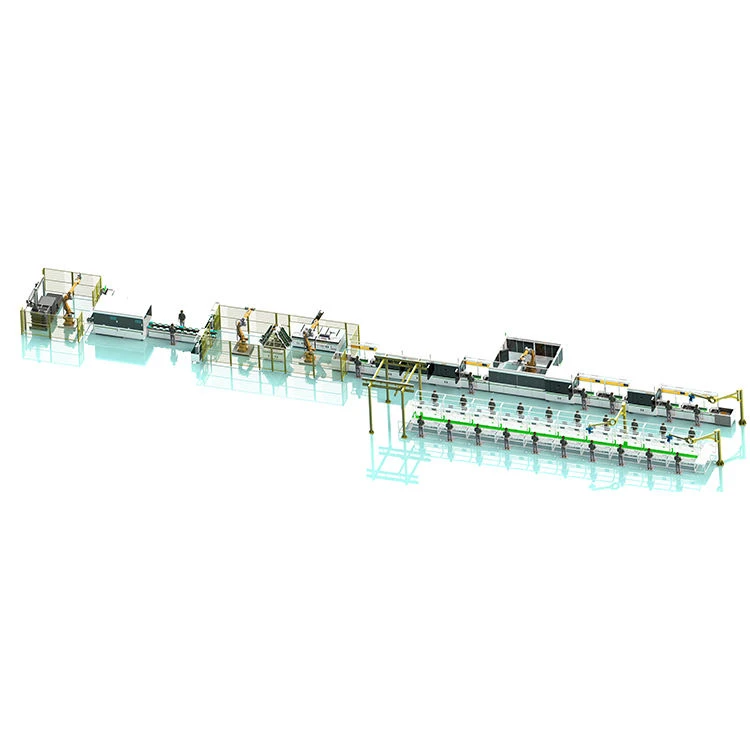
Advanced lithium ion battery assembly line Solutions for Poland's Energy Transition

Empowering the Polish industrial landscape with high-precision battery manufacturing technology and integrated supply chain components.

Advanced lithium ion battery assembly line Solutions for Poland's Energy Transition

Integrating state-of-the-art automation with rugged industrial components to accelerate the electrification of Poland's automotive and energy storage sectors.

Industrial Landscape of Battery Manufacturing in Poland

Analyzing the synergy between European regulations and local manufacturing capabilities.

Poland has emerged as a primary hub for electric vehicle (EV) battery production in Europe, driven by strategic investments and its central location. The demand for a robust lithium ion battery assembly line is peaking as the region shifts away from coal-dependency toward a green economy, requiring high-precision equipment that meets stringent EU safety standards.

The local industry faces unique challenges, including the need for extreme temperature resilience in energy storage systems. This has increased the demand for high-quality rubber seal strip components to ensure IP-rated protection against Poland's humid winters and varying seasonal climates, protecting sensitive electrochemical cells from moisture ingress.

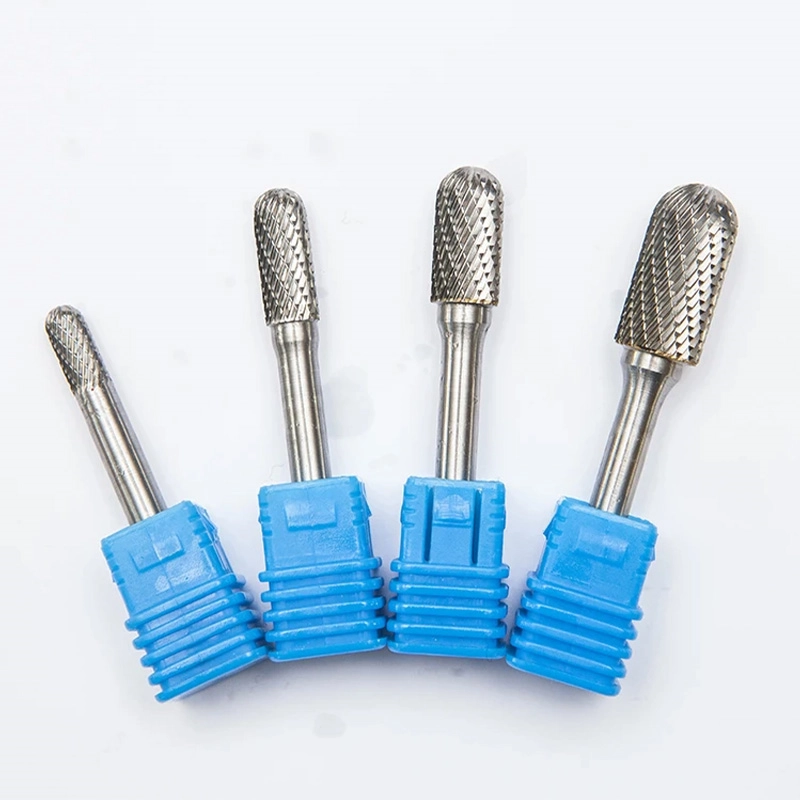
Furthermore, the diversification of the Polish supply chain is evident. While high-tech lines dominate, auxiliary industrial needs—from precision tools like steel files for manual finishing to sustainable logistics packaging such as jute bags for raw material transport—create a holistic industrial ecosystem supporting the battery giants.

Evolution and Trajectory of Energy Storage Tech in Poland

From traditional lead-acid systems to AI-driven lithium-ion automation.

Market Development History

Prior to 2015, the Polish market was dominated by traditional lead-acid battery manufacturing, focusing on internal combustion engine starters. The technical focus was on chemical stability and basic casing, where simple mechanical tools were the primary maintenance standard.

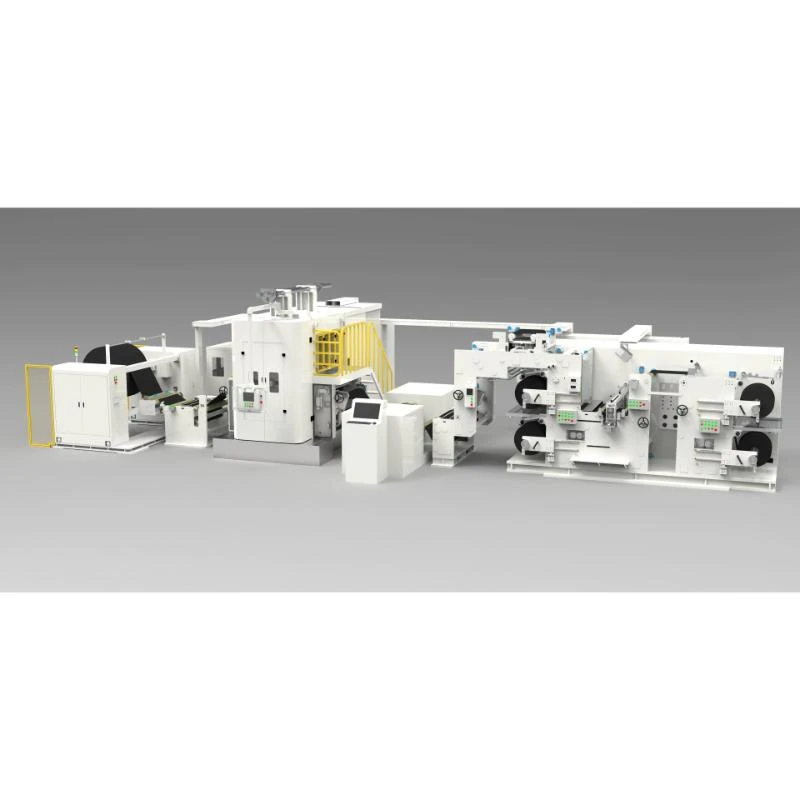
Between 2016 and 2021, a massive pivot occurred with the influx of Asian and American gigafactories. This era saw the introduction of the first fully automated lithium ion battery assembly line in the region, shifting the labor force from manual assembly to systems monitoring and robotics.

Since 2022, the focus has shifted toward "Circular Economy" principles. The integration of advanced recycling and modular assembly has become the norm, ensuring that battery packs are not only efficient but also fully recoverable at the end of their lifecycle.

Future Development Trends

Solid-State Integration

The next 3 years will see the transition from liquid electrolytes to solid-state batteries, requiring a complete redesign of the assembly line to handle new material pressures and temperatures.

AI-Driven Quality Control

Machine learning will replace traditional sampling. Real-time vision systems will detect micron-level defects in cell stacking, reducing waste and increasing yield rates.

Hyper-Local Supply Chains

To reduce carbon footprints, Poland will move toward sourcing all consumables locally, reducing the reliance on long-distance shipping for basic industrial supplies.

Future Outlook of the Polish Battery Sector

Predicting the technological shifts through the lens of Google search trends and EU policy.

Automation Scaling
Expansion of robotic cell-to-pack (CTP) technology to eliminate modular housings.
Sustainable Logistics
Replacement of plastics with bio-degradable materials for component transit.
Energy Density Push
Advancing toward 500 Wh/kg through new anode materials and precision coating.
Zero-Carbon Plants
Integrating solar-thermal arrays to power the entire assembly process.

Industry Outlook

The Polish market is shifting from a "production outpost" to an "innovation hub." We predict that by 2027, the integration of smart-factory IoT will allow Poland to lead the EU in battery production efficiency, reducing the cost per kWh significantly.

Moreover, the synergy between high-tech manufacturing and traditional trade is growing. Even in high-tech plants, the need for reliable basic supplies—such as quality pet snacks for corporate wellness or specialized industrial tools—reflects a mature and diversified business environment.

Localized Applications in Poland

Real-world implementation of battery technology across diverse Polish sectors.

01. EV Gigafactories in Silesia

Implementation of high-throughput lithium ion battery assembly line systems for the European automotive market, focusing on high-nickel cathode cells.

02. Renewable Energy Storage in Masovian Voivodeship

Deploying large-scale BESS (Battery Energy Storage Systems) using custom rubber seal strip enclosures to withstand Baltic weather conditions.

03. Precision Industrial Tooling for Maintenance

Utilizing high-carbon steel files for the calibration and precision finishing of robotic arms used in battery cell stacking.

04. Sustainable Raw Material Transport

Adopting heavy-duty jute bags for the transport of graphite and cobalt ores, aligning with EU biodegradable packaging mandates.

05. Corporate Ecosystem Support

Providing specialized pantry supplies, including premium pet snacks for pet-friendly modern office spaces in Poland's growing tech parks.

Brand Story

Global Development Journey of Xingtai Shuoding Trading Co., Ltd.

Foundational Excellence

Established as a specialist in industrial supplies, we focused on the precision and durability required by the manufacturing sector.

Strategic Diversification

We expanded our portfolio to include high-tech automation components, recognizing the global shift toward lithium electrification.

European Market Entry

By aligning with EU E-E-A-T standards, we established a strong footprint in Poland, supporting the region's battery revolution.

Innovation Leadership

We developed integrated solutions that combine heavy machinery with the smallest precision seals and tools for a one-stop shop.

Sustainable Future

Our current mission is to lead the industry toward zero-waste manufacturing through biodegradable logistics and green energy.

Common Questions in the Polish Battery Sector

Expert answers to the most pressing technical and logistical queries.

How to optimize a lithium ion battery assembly line for high humidity in Poland?

Optimization requires strict dry-room controls and the use of high-grade rubber seal strip materials to prevent moisture infiltration into the cell housing.

What are the EU regulations for shipping raw battery materials in jute bags?

EU regulations prioritize biodegradability; therefore, high-strength jute bags are recommended for non-hazardous raw powders to reduce plastic waste.

Can industrial steel files be used in clean-room battery environments?

Yes, provided that steel files are stainless and treated to prevent metallic dust shedding, ensuring no contamination of the battery cells.

What is the average lifespan of a modern battery assembly line?

With proper maintenance and regular upgrades to automation software, a high-end line typically lasts 10-15 years before requiring a major technical overhaul.

Are there sustainable options for employee wellness in Polish factories?

Many modern plants are adopting pet-friendly policies, integrating high-quality pet snacks in breakrooms to reduce worker stress and increase retention.

How do I certify my battery plant for EU environmental standards?

Certification involves auditing the energy source of your assembly line and ensuring all packaging, like jute bags, meets the European Green Deal requirements.

Ready to Scale Your Battery Production?

Our experts are available to provide technical consulting and equipment supply for your projects in Poland.

Contact Us Now

If you are interested in our products, you can choose to leave your information here, and we will be in touch with you shortly.