
Zambia is currently at a pivotal crossroads in its industrial evolution. With vast copper and cobalt reserves, the nation is shifting from being a raw material exporter to a value-added producer. The demand for localized energy storage to stabilize the national grid and support mining operations has made the implementation of a lithium ion battery assembly line a strategic priority for local entrepreneurs.
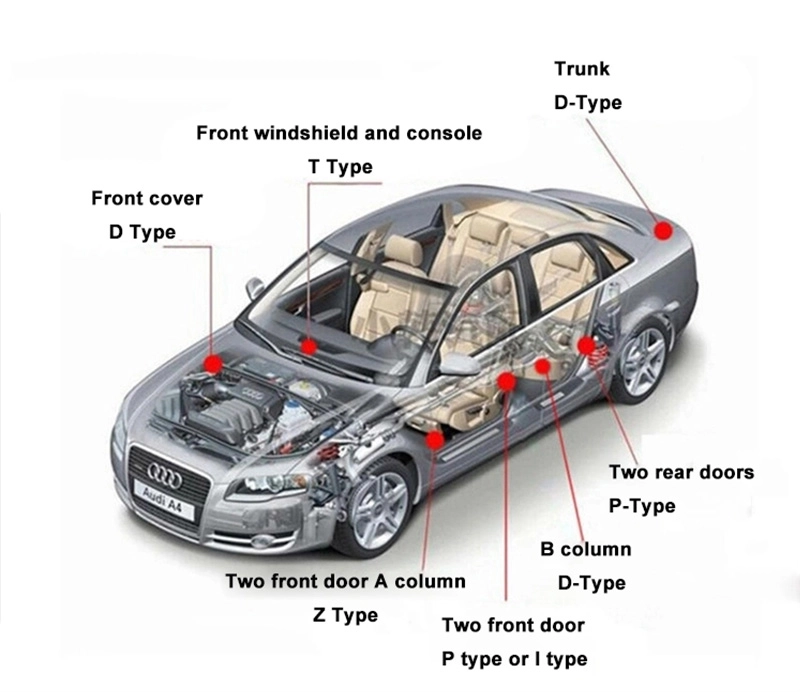
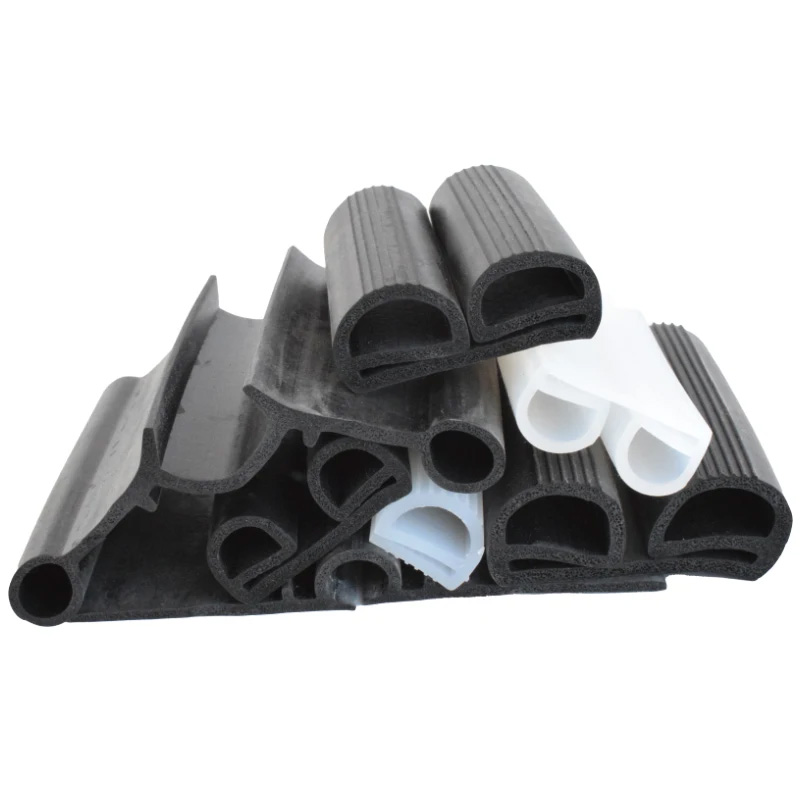
However, the harsh subtropical climate and intermittent power supply in certain provinces necessitate specialized equipment. The use of high-quality rubber seal strip components is critical in battery housing to prevent dust ingress and moisture damage, ensuring the longevity of energy storage systems in Zambia's unique environmental conditions.
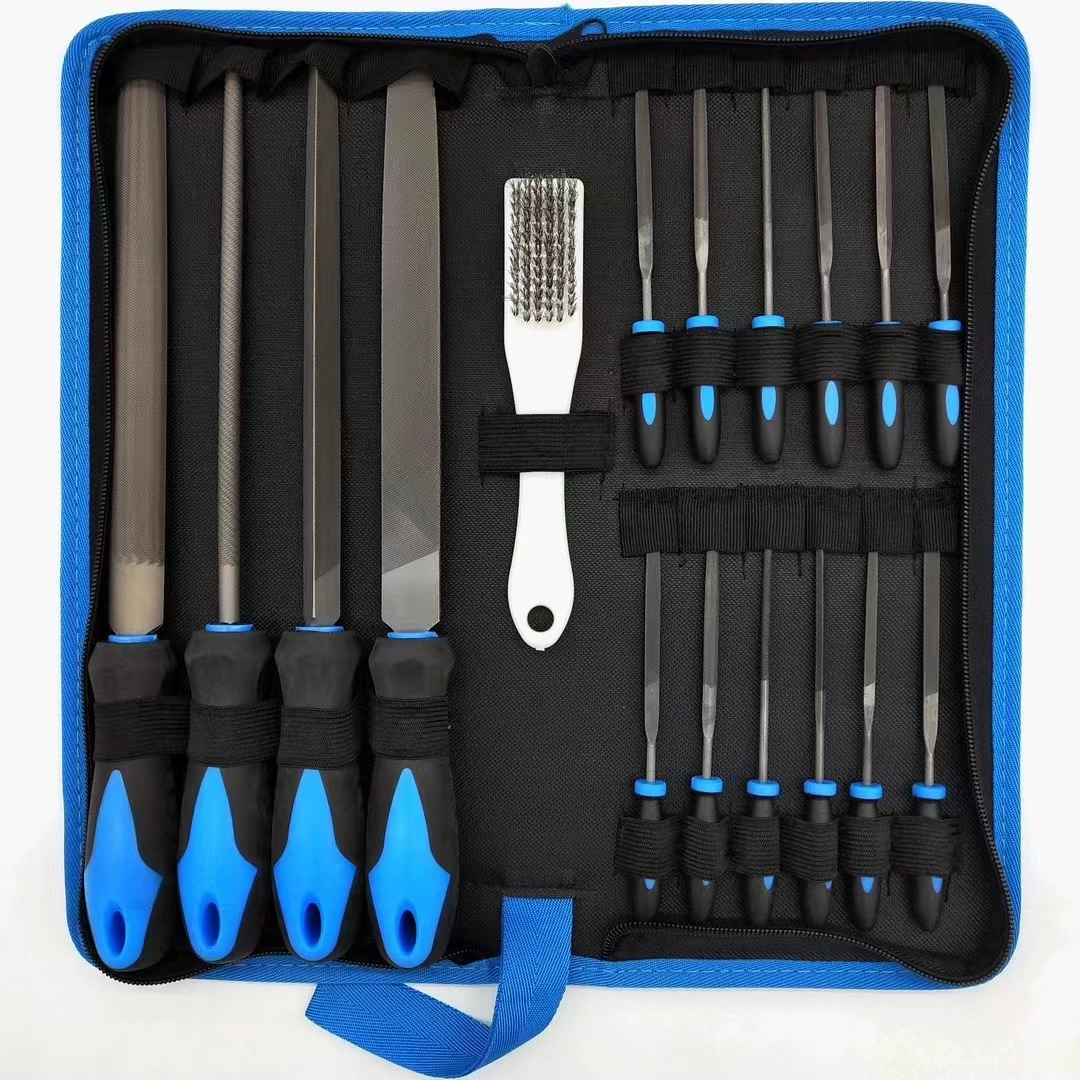
Furthermore, the auxiliary supply chain remains fragmented. While the focus is on high-tech cells, the industry still relies on traditional maintenance tools like steel files for precision fitting and rugged packaging such as jute bags for transporting raw mineral precursors from the Copperbelt to manufacturing hubs.