0%

Table of Contents

The modern automotive industry relies heavily on protective and aesthetic components, and the car door strip plays a crucial role in both. These strips, often overlooked, are vital for preventing damage, reducing noise, and enhancing the overall appearance of vehicles. Globally, the demand for high-quality car door strips is steadily increasing, driven by growing vehicle production and consumer awareness of vehicle protection. Understanding the intricacies of car door strip design, materials, and application is essential for automotive manufacturers, suppliers, and consumers alike.

The significance of the car door strip extends beyond mere aesthetics. They contribute significantly to vehicle safety by minimizing the risk of dents and scratches, and protecting passengers from sharp edges. Increasingly stringent vehicle safety regulations and a growing emphasis on vehicle longevity are fueling the demand for durable and reliable car door strip solutions. The industry is witnessing innovations in materials and manufacturing processes to meet these evolving requirements.

From standard rubber strips to advanced composite materials, the car door strip has undergone a remarkable transformation. Its evolution mirrors the broader advancements in automotive technology and materials science. Proper selection and installation of these strips can dramatically extend a vehicle's lifespan and maintain its resale value.
Comprehensive Guide to Car Door Strip Design Materials and Applications

Introduction to Car Door Strips

Comprehensive Guide to Car Door Strip Design Materials and Applications

Car door strips are much more than just an aesthetic addition to a vehicle. They represent a critical line of defense against everyday wear and tear, safeguarding the paintwork and body panels from scratches, dents, and chips. The initial purpose of these strips was largely functional, but they've evolved to become integrated design elements, contributing to a vehicle's overall style and appearance.

The global automotive market is a dynamic and competitive landscape, and manufacturers are constantly seeking ways to improve vehicle durability and reduce repair costs. Effective car door strip solutions directly address these concerns, offering a cost-effective means of protecting a vehicle’s value and extending its lifespan. This has led to increased investment in research and development, resulting in a diverse range of strip materials and designs.

Defining Car Door Strips

Simply put, a car door strip is a protective covering applied to the exterior edges of a vehicle’s doors. These strips are designed to absorb impact, preventing damage to the paint and metal underneath. They come in various materials, including rubber, plastic, chrome, and carbon fiber, each offering different levels of protection and aesthetic appeal. The strips can be adhesive-backed for easy installation or require more permanent mounting methods.

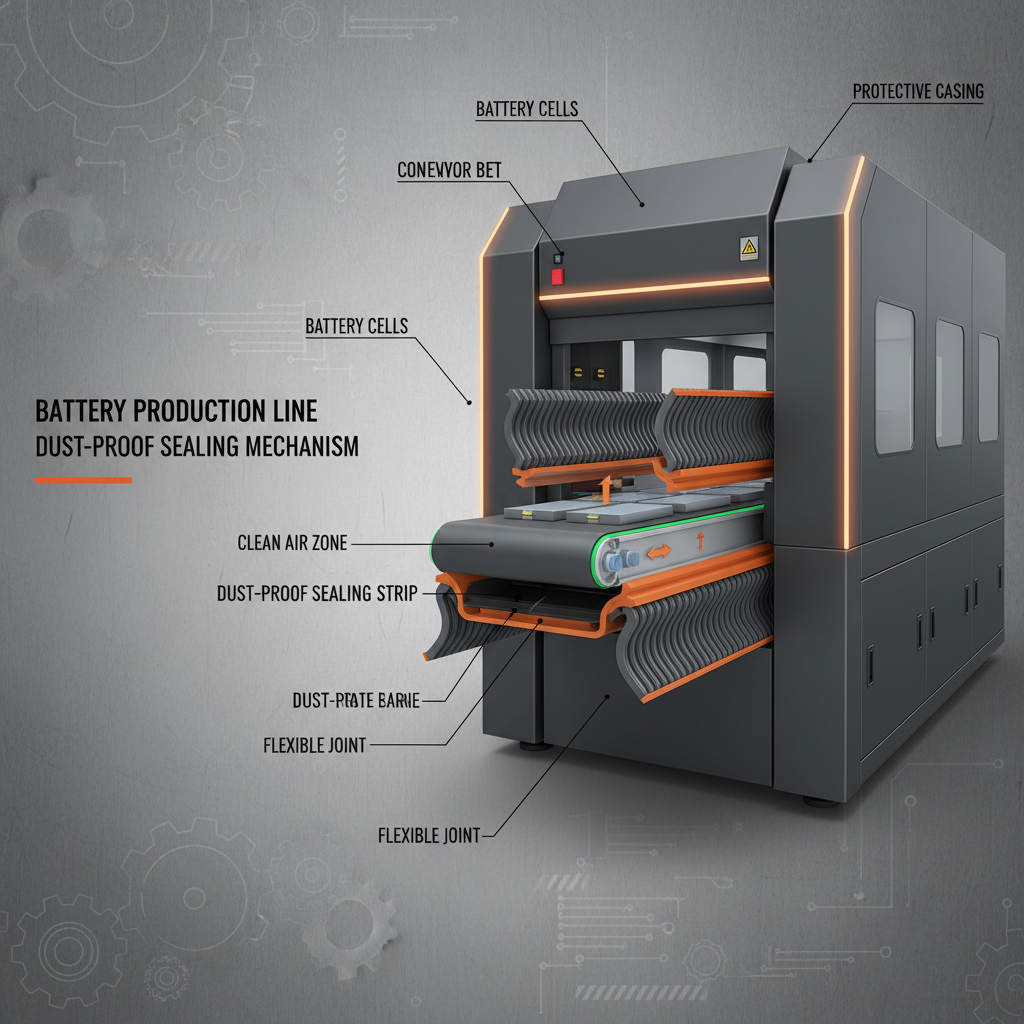
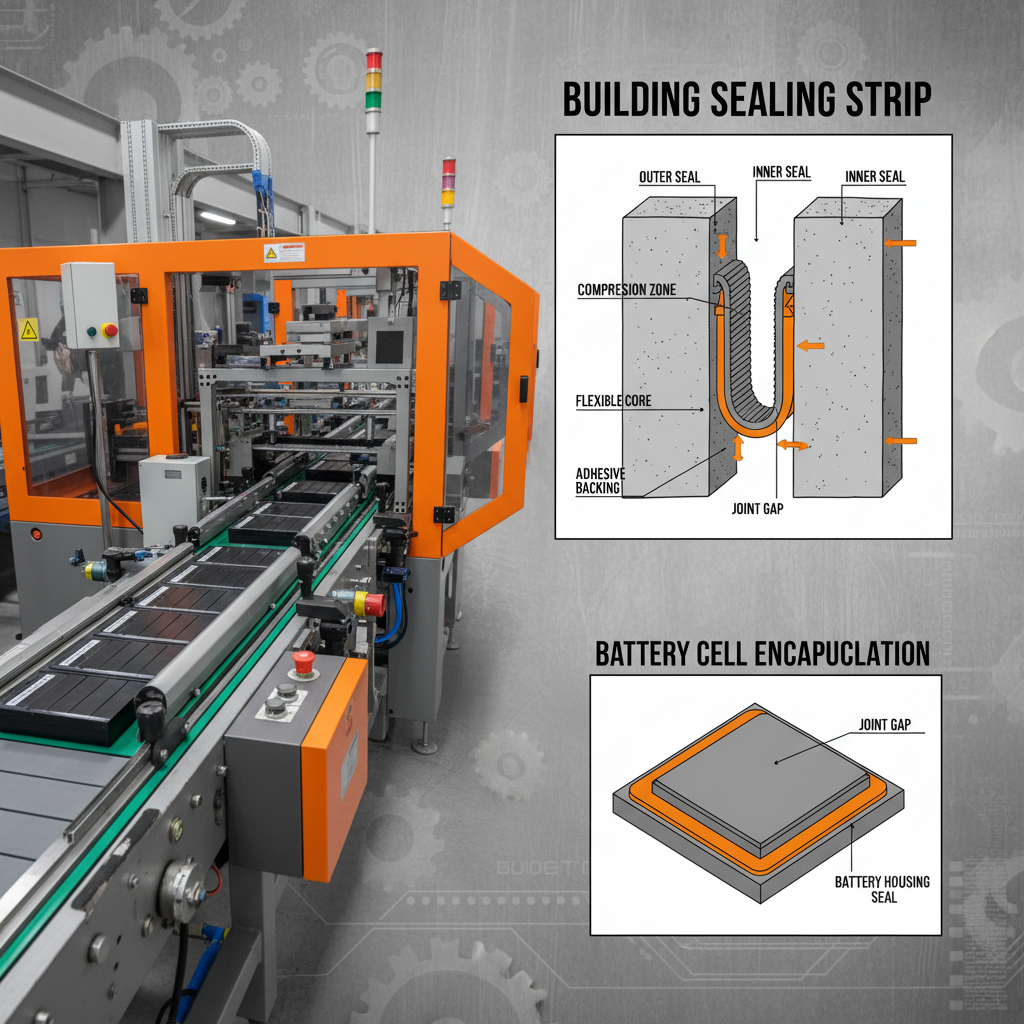
The connection to modern industry extends beyond automotive manufacturing. The technologies used in producing high-quality car door strips – advanced polymer science, precision molding, and durable adhesives – are applicable to numerous other sectors, including construction, aerospace, and consumer goods. The demand for lightweight, durable, and cost-effective protective materials drives innovation across these industries.

Understanding the role of car door strip is crucial for maintaining the longevity and aesthetic value of vehicles, and its production impacts a wide range of interconnected industries.

Core Components of Car Door Strips

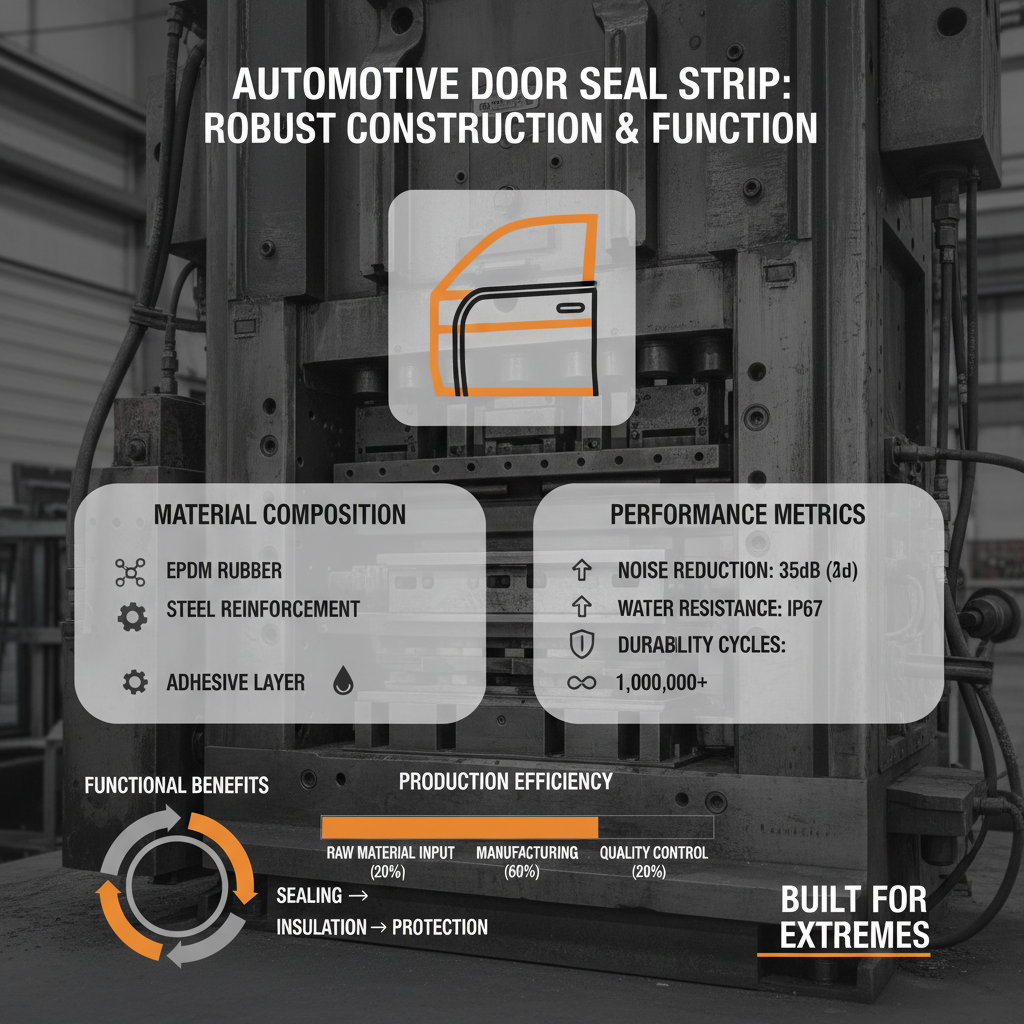
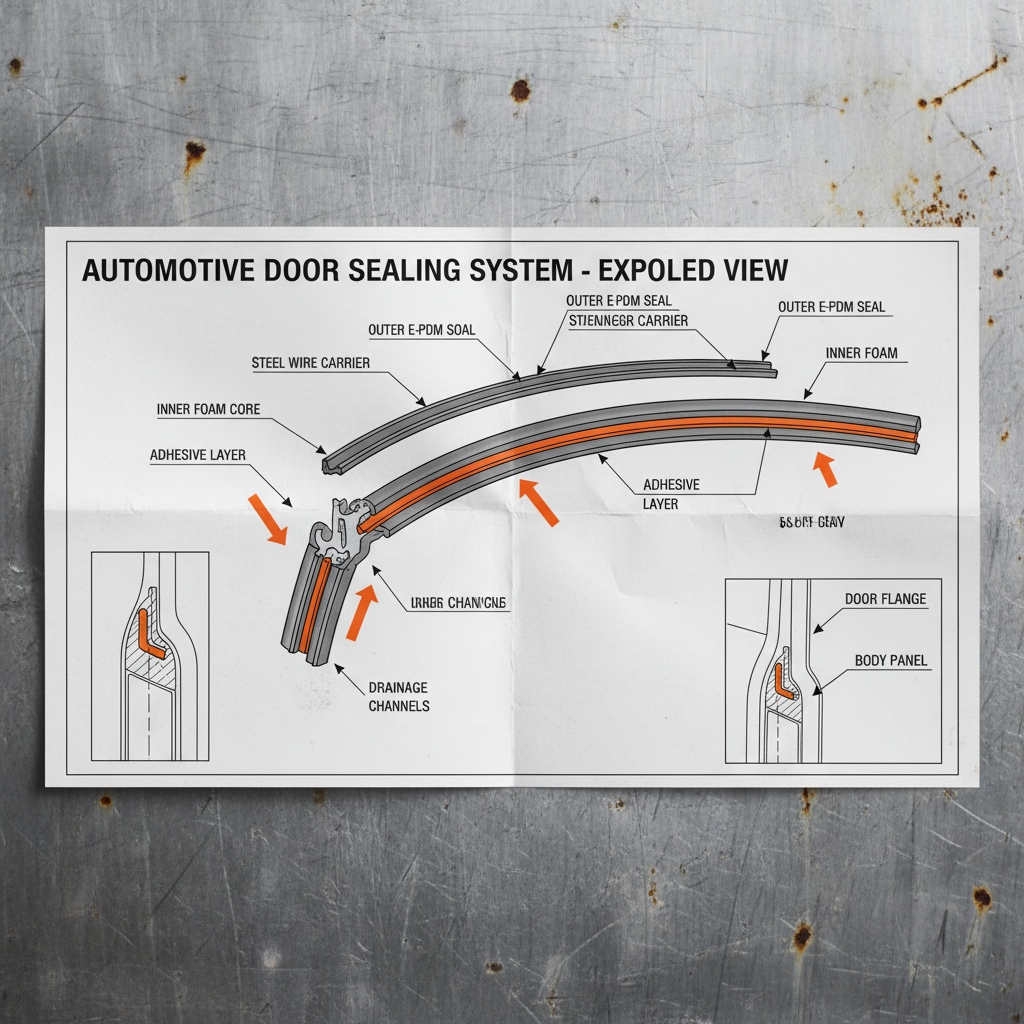
The effectiveness of a car door strip hinges on several key factors. Firstly, the material used must possess high impact resistance and be able to withstand extreme temperatures and UV exposure. Secondly, the adhesive properties are paramount; a secure bond prevents the strip from peeling or detaching, ensuring continuous protection.

Another critical component is the strip’s design. The shape, thickness, and flexibility of the strip significantly influence its ability to absorb impact and conform to the vehicle’s contours. Proper design also contributes to the strip's aesthetic integration with the vehicle's overall appearance. Furthermore, the manufacturing process plays a vital role in ensuring consistent quality and durability.

Finally, the installation process is crucial. Even the highest quality car door strip will fail if it is not applied correctly. Proper surface preparation, precise alignment, and firm pressure are essential for a secure and long-lasting bond.

Global Applications and Use Cases

The application of car door strips is widespread globally, found on virtually all types of vehicles, from passenger cars and SUVs to trucks and vans. Demand is particularly high in regions with harsh weather conditions or congested urban environments where the risk of door dings and scratches is elevated. North America, Europe, and Asia-Pacific represent significant markets for car door strip manufacturers.

The automotive industry is the primary beneficiary, but the principles behind car door strip technology are applicable to other areas. For example, similar protective strips are used in public transportation, protecting train doors from damage. In industrial settings, they’re used to safeguard machinery and equipment from impact.

In areas prone to frequent minor collisions and parking mishaps, the importance of car door strips is particularly pronounced. For instance, densely populated cities see a higher demand for these strips than rural areas with more spacious parking facilities. They offer a practical and cost-effective solution to mitigate the risks of vehicle damage in these environments.

Car Door Strip Performance by Material


Advantages of Using Car Door Strips

The tangible benefits of installing car door strips are numerous. Most obviously, they significantly reduce the risk of costly paint repairs resulting from minor impacts. This not only saves vehicle owners money but also helps maintain the vehicle’s resale value. Furthermore, they contribute to increased vehicle longevity.

Beyond the financial aspects, car door strips offer peace of mind. Knowing that your vehicle is protected from everyday damage enhances the ownership experience and reduces stress. The improved aesthetics, particularly with stylish chrome or carbon fiber strips, add to the overall satisfaction.

Future Trends in Car Door Strip Technology

The future of car door strip technology is leaning towards smarter materials and integrated features. We can expect to see the increased use of self-healing polymers that can repair minor scratches automatically, and materials incorporating sensors to detect impacts and provide warnings.

Sustainability is also a key driver of innovation. Manufacturers are exploring the use of recycled and bio-based materials to reduce the environmental impact of car door strip production. The integration of smart technology, such as proximity sensors and LED lighting, is also on the horizon, offering enhanced safety and aesthetic appeal.

Challenges and Solutions in Car Door Strip Implementation

One of the main challenges in car door strip implementation is ensuring a consistently strong and durable bond, particularly in varying climates and on different vehicle surfaces. Inadequate surface preparation or the use of low-quality adhesives can lead to premature failure.

Solutions include developing more robust adhesive formulations, improving surface preparation techniques, and implementing stricter quality control measures during manufacturing and installation. Another challenge lies in balancing protection with aesthetics. Strips that are too thick or bulky can detract from a vehicle’s appearance. Innovative designs and materials are needed to provide optimal protection without compromising style.

Further, the industry needs to address the environmental concerns associated with traditional materials. Research into eco-friendly alternatives and sustainable manufacturing processes is crucial for a long-term solution.

Summary of Car Door Strip Challenges and Solutions

Challenge Impact Severity Potential Solutions Implementation Cost
Adhesive Failure High Improved adhesive formulations, better surface prep. Low-Medium
Aesthetic Compromise Medium Sleek designs, integrated styling. Medium
Material Durability High Advanced polymer materials, UV protection. Medium-High
Environmental Impact Medium Recycled materials, bio-based polymers. Medium
Installation Issues Low-Medium Simplified installation methods, pre-applied adhesive. Low
Cost Considerations Medium Optimized manufacturing processes, material sourcing. Low-Medium

FAQS

What is the best material for car door strips in cold climates?

For cold climates, TPU (Thermoplastic Polyurethane) is often the best choice for car door strips. It maintains flexibility even in extremely low temperatures, preventing cracking or peeling. Rubber can become brittle and less effective in the cold, while plastic may be prone to shattering. TPU provides a good balance of durability, flexibility, and impact resistance, crucial for protecting your vehicle's doors during harsh winter conditions. Proper installation is also key to ensure optimal performance.

How long do car door strips typically last?

The lifespan of car door strips varies depending on the material, climate, and exposure to wear and tear. Generally, high-quality rubber or TPU strips can last 3-5 years, while plastic or chrome strips might last 5-7 years with proper care. UV exposure, road debris, and frequent impacts can shorten the lifespan. Regular inspection and timely replacement are recommended to ensure continuous protection.

Are carbon fiber car door strips worth the extra cost?

Carbon fiber car door strips are significantly more expensive than other materials, but they offer superior strength, durability, and a premium aesthetic. They are highly resistant to impact, corrosion, and UV damage, providing long-lasting protection and a distinctive look. If you prioritize aesthetics and are willing to invest in a high-performance solution, carbon fiber is an excellent choice.

Can I install car door strips myself, or should I seek professional help?

While many car door strips are designed for DIY installation with adhesive backing, professional installation is recommended for optimal results. Professionals have the tools and expertise to properly prepare the surface, ensure precise alignment, and apply consistent pressure for a secure and long-lasting bond. Incorrect installation can lead to premature failure and reduce the strip’s effectiveness.

How do I clean and maintain my car door strips?

Regular cleaning and maintenance can extend the lifespan of your car door strips. Use a mild soap and water solution to remove dirt, grime, and road salt. Avoid abrasive cleaners or harsh chemicals that can damage the material. For plastic or chrome strips, a car wax can provide added protection against UV damage and maintain their shine. Inspect the strips periodically for any signs of damage or peeling.

What is the best way to prepare the door surface before applying car door strips?

Proper surface preparation is essential for a secure bond. Thoroughly clean the door surface with a degreasing agent to remove any wax, grease, or dirt. Then, lightly sand the surface to create a better grip for the adhesive. Wipe away any sanding dust with a clean cloth before applying the car door strip. Ensure the surface is dry before proceeding with the installation.

Conclusion

In conclusion, the car door strip is a critical, yet often underestimated, component of modern vehicles. Beyond its aesthetic contribution, it provides essential protection against damage, extends vehicle lifespan, and ultimately, represents a cost-effective investment for vehicle owners. From material science to installation techniques, continuous innovation is driving improvements in performance and sustainability.

Looking ahead, the future of car door strip technology lies in smarter materials, integrated functionalities, and environmentally friendly solutions. By prioritizing quality, durability, and sustainable practices, manufacturers and consumers alike can maximize the benefits of this vital automotive component. Visit our website at www.xtshuoding.com to explore our range of car door strip solutions and protect your vehicle today.

Brian Wilson

Brian Wilson

Brian Wilson is a sourcing specialist at Xingtai Shuoding Trading Co., Ltd, focused on importing high-quality minerals and copper cathodes. He works to identify reliable suppliers and negotiate favorable terms to ensure a consistent supply of raw materials for our Chinese factories. Brian has extensive experience in commodity trading and
Previous The Essential Guide to Decorative Rubber Strip Applications and Future Trends
Next Understanding Car Windshield Rubber Strip Technology Safety and Future Trends