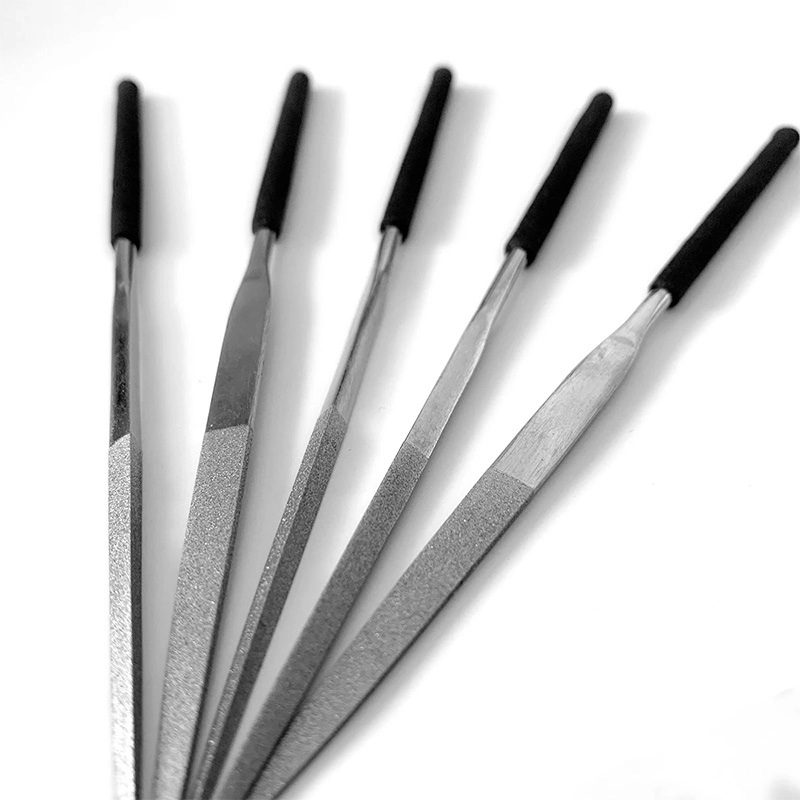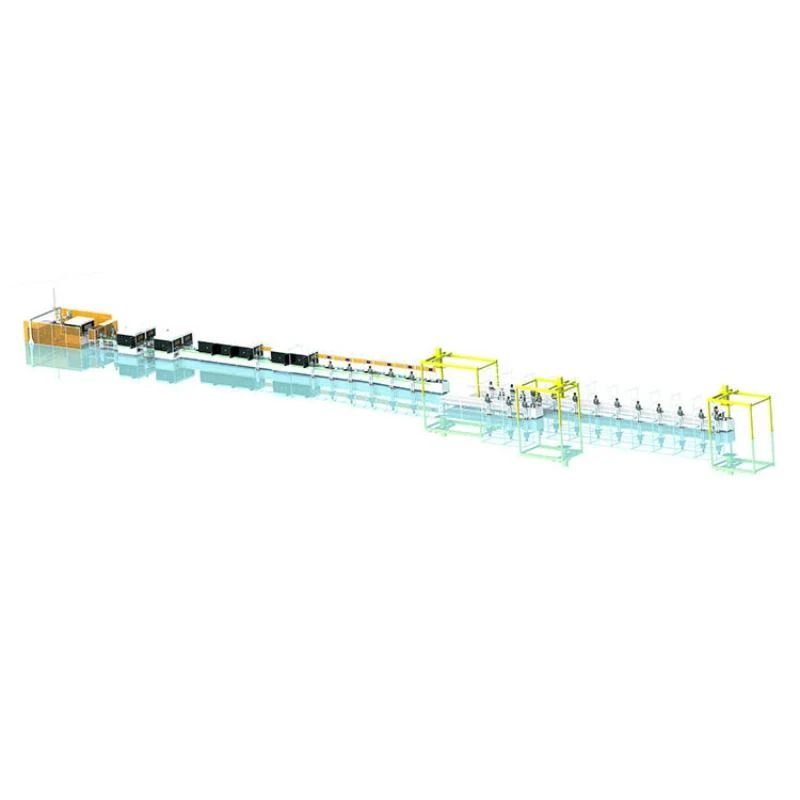

Iran's manufacturing sector is currently undergoing a strategic pivot toward energy independence. The demand for localized energy storage is surging due to the need for grid stability and the slow but steady rise of electric mobility in urban centers like Tehran. However, many local workshops still rely on basic tools such as steel files for manual finishing, highlighting a significant gap between current capabilities and the requirements of high-tech automation.
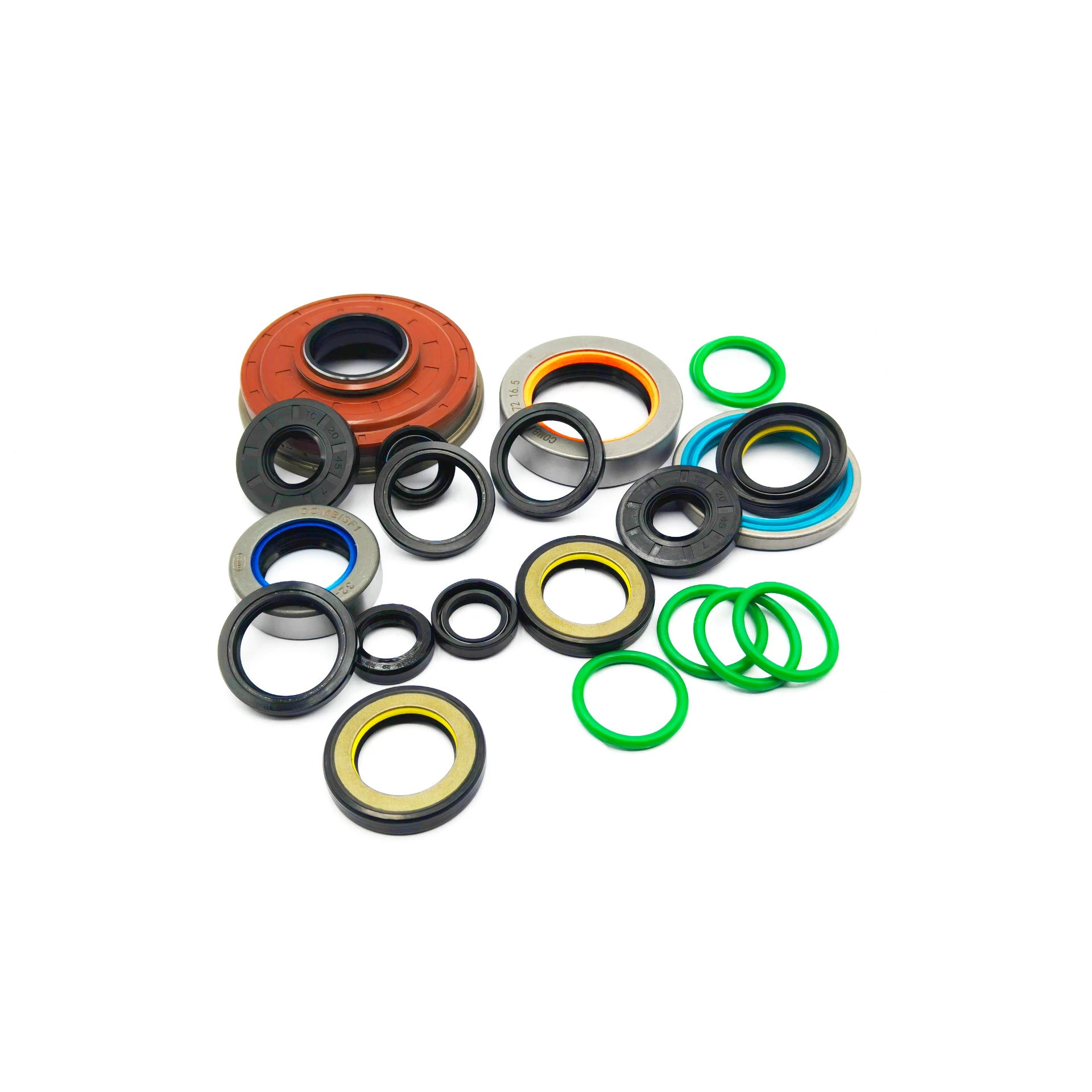
Environmental factors, particularly extreme temperature fluctuations in the Iranian plateau, place immense stress on battery housing. This has led to an increased reliance on high-grade rubber seal strip components to ensure IP67-rated protection against dust and heat, which is critical for maintaining the longevity of lithium-ion cells in arid climates.
Furthermore, the logistical landscape in Iran often utilizes traditional packaging methods. While high-tech batteries require specialized crates, the broader industrial supply chain still frequently employs jute bags for raw material transport, demonstrating a hybrid economy where traditional logistics meet emerging electronic manufacturing needs.