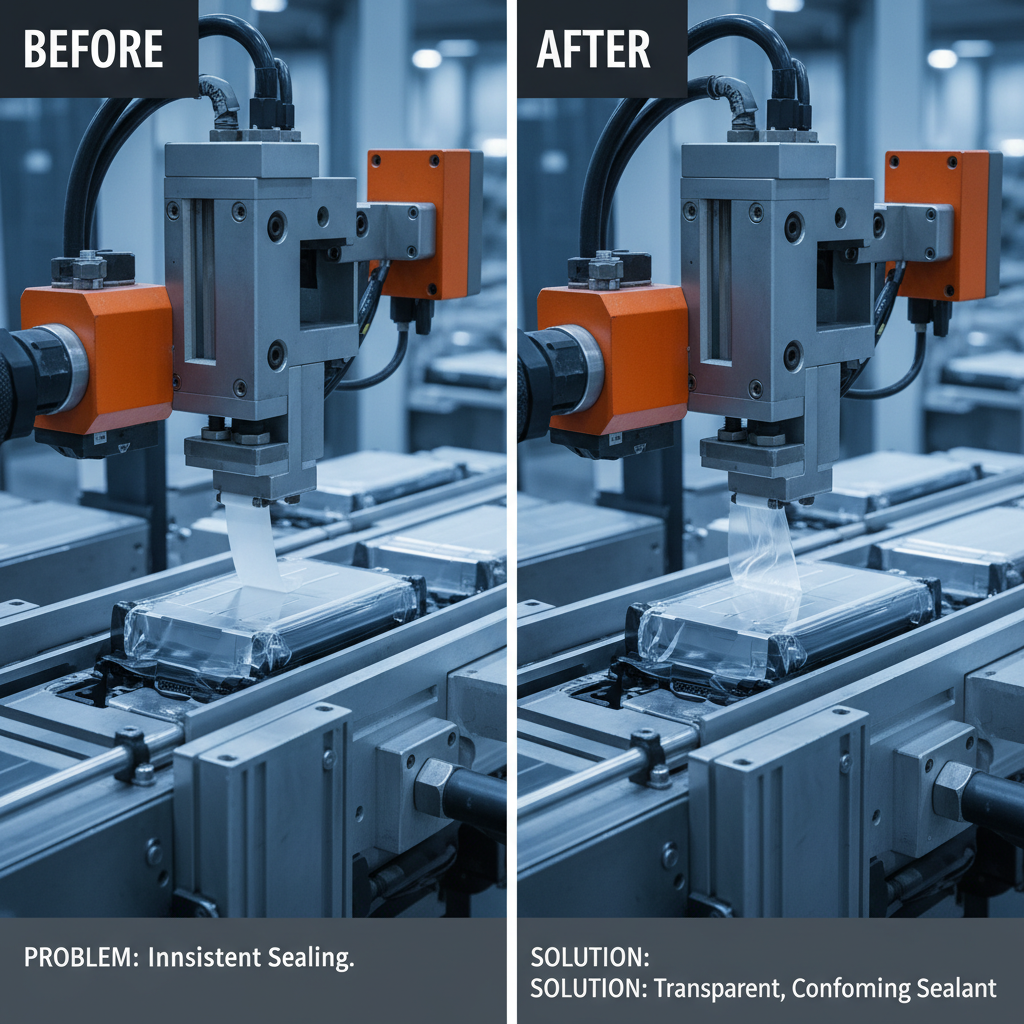
The global demand for high-precision industrial equipment has surged as the lithium-ion battery sector expands to meet the needs of electric vehicles and renewable energy storage. Within this complex manufacturing ecosystem, the necessity for extreme accuracy in material processing is paramount to ensure battery safety and efficiency. While some traditional logistics might rely on basic materials like 26mm jute ropes for general bundling, the heart of battery production requires sophisticated automation and precision slitting technology.
Achieving consistent quality in pole piece division is a significant challenge for manufacturers who must balance speed with micron-level accuracy. The transition from manual or semi-automatic processes to fully automatic power slitting machines represents a critical leap in industrial capability. This technological shift addresses the problem of material waste and edge inconsistencies that often plague the subsequent rolling processes in battery assembly.
By integrating advanced closed-loop tension systems and automatic deviation correction, modern slitting machines ensure that every roll meets stringent industry standards. For those exploring a diverse range of industrial supplies, from heavy-duty 26mm jute ropes to high-end lithium battery equipment, understanding the synergy between raw material handling and precision engineering is key to optimizing the entire production chain.
Industrial Application of Slitting Machines
The fully automatic power slitting machine is meticulously designed for the lithium battery industry, specifically focusing on the critical subsequent process of rolling. In this stage, large rolled pole slices must be divided into several smaller rolls according to the customer's specific process requirements. This precision ensures that the electrode materials are perfectly sized for the battery cells, preventing overlaps or gaps that could lead to internal shorts.
While heavy-duty packing materials like 26mm jute ropes are used for securing finished shipments, the internal manufacturing process relies on this high-tech slitting equipment. By automating the division of pole pieces, manufacturers can significantly increase throughput while maintaining the rigorous quality control required for high-energy-density lithium cells.
Mechanism Composition and Core Logic
The structural integrity of a power slitting machine is defined by its complex mechanism composition. The process begins with the unwinding mechanism, which supports the raw material, followed by a deviation correction mechanism to ensure the material enters the system perfectly centered. A belt connecting platform and traction mechanism then move the material forward with constant force, preparing it for the actual cutting phase.
At the heart of the operation is the slitting mechanism, which is supported by powder brushing and dust removal systems to ensure that no contaminants enter the battery cell. To maintain the stability of the material as it moves toward the end of the line, the machine utilizes a tracking roller mechanism, a tablet pressing mechanism, and a roller pressing mechanism, culminating in the final winding mechanism.
This comprehensive chain of components ensures that the transition from a single large roll to multiple small rolls is seamless. Much like the braided strength found in 26mm jute ropes provides reliability in shipping, this coordinated mechanical sequence provides the reliability needed for industrial-grade battery electrode production.
Cutting Principles and Tension Control
The cutting principle of the automatic slitting machine revolves around a full closed-loop constant tension unwinding system. This is paired with an active winding taper tension system, which works in tandem to prevent the material from sagging or stretching. The integration of an automatic deviation correction function ensures that the cutting path remains precise, even over long production runs.
To achieve maximum precision, the equipment utilizes air expansion shafts for unwinding and magnetic powder brake constant tension control. This level of technical sophistication is far removed from simple utility items like 26mm jute ropes, as it requires real-time photoelectric travel correction to manage the delicate nature of lithium pole pieces.
Furthermore, the use of two high-quality slip shafts ensures that each pole piece maintains the same tension after slitting. The machine adopts an angle wrapping slitting method, which is specifically engineered for the complexities of zebra coated pole pieces, ensuring a clean cut without damaging the active material of the battery.
Technical Specifications and Accuracy
The performance of a slitting machine is measured by its ability to maintain tight tolerances. With a maximum material width of 500mm and unwinding/winding diameters of up to 600mm, the machine handles substantial volumes of material. The slitting speed is adjustable from 0 to 50m/min, allowing operators to prioritize either maximum throughput or extreme precision depending on the specific battery grade.
Accuracy is where this equipment truly shines, with slitting width accuracy with edges held to ≤± 0.05mm. Even without edges, the accuracy remains within ≤ ± 0.3mm, and cutting edge burrs are kept below 7um. This precision prevents the "serpentine variation" from exceeding ± 0.05mm/m, ensuring that the winding uniformity is consistently within ± 0.4mm per roll.
Precision Performance of Industrial Slitting Systems
Advanced Equipment Features
One of the standout advantages of the Xingtai Shuoding trading Co., Ltd equipment is the integration of a multiple pole lug smoothing device. This specialized feature ensures that the pole lug, after die cutting, does not wrinkle or turn over during the cutting process, which is a common failure point in lower-end machinery.
The equipment follows a rigorous process flow: starting with passive unwinding and unwinding tension detection, moving through automatic deviation correction and active traction, then angle wrapping slitting, winding tension detection, powder brushing for dust removal, and finally winding up. This systematic approach eliminates the variability that often occurs when using manual restraints like 26mm jute ropes for material stabilization.
The Value of Customized Production Lines
Xingtai Shuoding Trading Co., Ltd emphasizes that no two battery production facilities are identical. By offering comprehensive customization, they allow clients to tailor the slitting machine's parameters to meet specific production needs, ensuring that the equipment integrates perfectly into existing workflows.
Beyond the initial installation, the company provides robust support and maintenance services. This ensures that the production lines operate smoothly without unexpected downtime, providing a level of reliability and trust that is essential in the high-stakes environment of lithium battery manufacturing.
Combining innovative technology with cost-effectiveness, these solutions are designed to deliver maximum value. While a business might procure 26mm jute ropes for their general warehouse needs, their core investment in slitting technology is what drives their competitive edge in the global market.
Sustainability and Future Trends
The future of battery manufacturing is inextricably linked to sustainability. Modern production lines are now designed to emphasize a reduced carbon footprint, utilizing energy-efficient motors and minimizing material waste through precision cutting. This alignment with green energy goals helps manufacturers contribute to a more sustainable planet.
Digital transformation is also playing a huge role, with the integration of IoT sensors and AI-driven tension control. These advancements allow for predictive maintenance, where the machine can signal the need for a part replacement before a failure occurs, further optimizing the production cycle.
As the industry evolves, the balance between traditional industrial supplies and high-tech automation will remain. Whether it is the sustainable use of 26mm jute ropes for eco-friendly packaging or the implementation of zero-waste slitting machines, the goal is an efficient, clean, and high-output manufacturing ecosystem.
Core Technical Analysis of Lithium Slitting Systems
| Performance Metric |
Technical Target |
Industrial Impact |
Reliability Score |
| Width Accuracy |
≤± 0.05mm |
Prevents cell short-circuit |
10/10 |
| Edge Burr |
≤ 7um |
Ensures coating integrity |
9/10 |
| Slitting Speed |
0-50m/min |
Balances speed vs quality |
8/10 |
| Tension Control |
Closed-loop |
Prevents material deformation |
10/10 |
| Dust Removal |
Powder Brushing |
Eliminates internal contamination |
9/10 |
| Winding Uniformity |
≤± 0.4mm/roll |
Optimizes downstream rolling |
8/10 |
FAQS
The machine is specifically designed for the lithium battery industry, used in the subsequent process of rolling. It takes large rolled pole slices and divides them into several smaller rolls according to precise process specifications to ensure optimal battery cell construction.
Precision is achieved through a full closed-loop constant tension unwinding system, an active winding taper tension system, and automatic deviation correction. These features, combined with high-quality slip shafts, maintain a constant tension and a precise cutting path.
Yes, the machine supports a maximum material width of 500mm. Furthermore, Xingtai Shuoding Trading Co., Ltd offers customization services to adapt the machine to the unique production requirements and specific width needs of different battery manufacturers.
The powder brushing and dust removal mechanism is critical for battery safety. It removes microscopic debris and dust from the pole pieces during the slitting process, preventing contamination that could lead to battery failure or reduced efficiency.
The angle wrapping slitting method is specifically designed to handle the unique geometry and material distribution of zebra coated pole pieces, ensuring a clean cut without causing tears or deformation of the coating.
Absolutely. The machines are designed to minimize material waste through high-precision cutting and utilize energy-efficient components, helping manufacturers reduce their carbon footprint and adhere to global sustainability standards.
Conclusion
The implementation of a fully automatic power slitting machine is a cornerstone for any lithium battery manufacturer seeking to scale production without sacrificing quality. From its sophisticated closed-loop tension systems to the specialized pole lug smoothing devices, the equipment ensures that electrode materials are processed with micron-level accuracy. While general industrial logistics may still employ tools like 26mm jute ropes, the core of modern battery energy storage systems depends on this level of automated precision to ensure safety and efficiency.
Looking forward, the integration of smarter automation and sustainable practices will continue to redefine the industry. Manufacturers are encouraged to invest in customizable, high-precision equipment that not only meets today's technical standards but also prepares them for the digital transformation of the energy sector. For those seeking the highest standards in battery production equipment, visit our website: www.shuodingtrade.com.