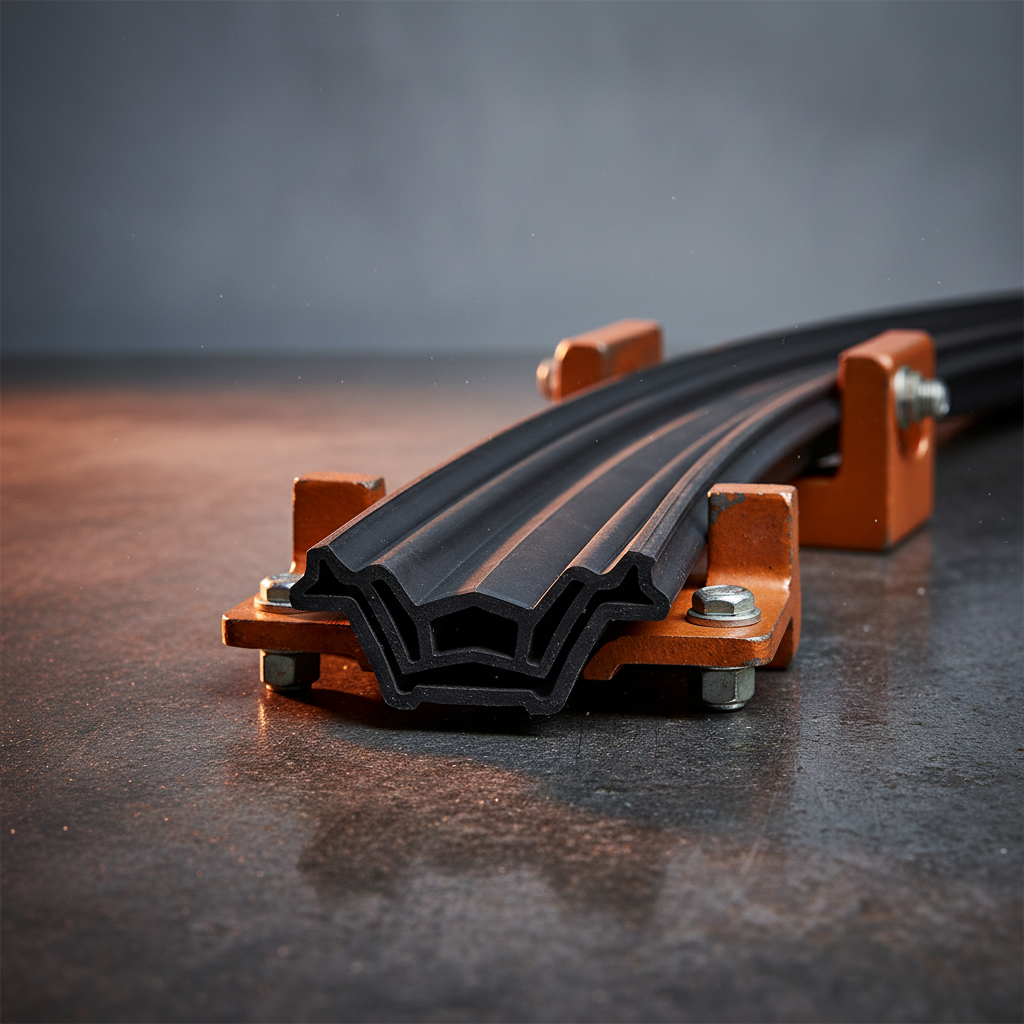
In the rapidly evolving landscape of lithium-ion battery manufacturing, the integrity of electrical wiring and cable management is paramount to ensuring system safety and longevity. A spiral protective sleeve serves as a critical yet often overlooked component, providing a flexible and robust barrier against mechanical wear, chemical corrosion, and environmental degradation. By bundling cables efficiently, these sleeves prevent tangling and reduce the risk of short circuits in high-voltage battery energy storage systems.
Globally, the shift toward green energy has placed immense pressure on battery manufacturers to adhere to stringent ISO and safety standards. The implementation of a high-quality spiral protective sleeve is not merely about organization; it is about mitigating the risk of thermal runaway by protecting the insulation of power leads from abrasion. As battery packs become denser and more powerful, the need for specialized cable protection that can withstand extreme temperature fluctuations has become a global industrial priority.
Understanding the technical nuances of cable wrapping materials allows engineers to optimize the lifecycle of Lithium Battery Equipments. Whether it is for domestic energy storage or industrial-scale power grids, the right spiral protective sleeve ensures that internal wiring remains intact despite vibration and thermal expansion. This guide explores the essential role of these sleeves, from material science to practical application in the modern battery manufacturing sector.
Global Relevance of Spiral Protective Sleeve
The global demand for lithium-ion batteries is skyrocketing, driven by the transition to electric vehicles (EVs) and renewable energy storage. In this high-stakes environment, the spiral protective sleeve has become a standard requirement for cable management. According to industry benchmarks, cable failure due to abrasion is one of the leading causes of unplanned downtime in industrial battery arrays, making the adoption of professional wrapping solutions a necessity for operational continuity.
Beyond simple aesthetics, these sleeves address the challenge of "cable clutter" in compact Battery Energy Storage Systems (BESS). By organizing high-voltage lines into a single, protected conduit, manufacturers can reduce the risk of accidental contact and improve the airflow within battery cabinets, which is crucial for thermal management and overall system efficiency.
Defining the Spiral Protective Sleeve in Modern Industry
A spiral protective sleeve is a flexible, helical wrap typically manufactured from high-grade polymers such as polyethylene (PE), polypropylene (PP), or flame-retardant PVC. Unlike closed conduits, the spiral design allows for cables to be added or removed at any point along the length of the sleeve, providing unmatched versatility for technicians during installation and maintenance of complex battery systems.
In the context of lithium battery manufacturing, these sleeves act as a sacrificial layer. They absorb the impact of mechanical vibrations and resist the corrosive effects of electrolyte leakage, ensuring that the primary insulation of the wiring remains untouched. This creates a dual-layer defense mechanism that is essential for systems operating in harsh industrial environments.
Furthermore, the spiral geometry ensures that the cables inside are not overly compressed, which is vital for maintaining the electrical properties of the conductors. By distributing mechanical stress evenly across the helix, the spiral protective sleeve prevents "pinch points" that could otherwise lead to insulation failure over time.
Key Factors Driving Performance and Durability
Material composition is the first critical factor. For lithium-ion battery environments, the spiral protective sleeve must be constructed from materials that are not only abrasion-resistant but also chemically inert. This prevents the sleeve from degrading when exposed to the various solvents and cleaning agents used in battery assembly plants.
Flame retardancy is non-negotiable in the battery sector. A professional spiral protective sleeve often meets UL94 V-0 standards, meaning it will self-extinguish in the event of a fire. This critical safety feature prevents the sleeve from becoming a fuel source, thereby containing potential electrical fires and protecting the rest of the energy storage system.
Finally, scalability and flexibility define the practical utility of the product. The ability of the spiral protective sleeve to expand or contract allows it to accommodate varying cable diameters, making it an ideal solution for hybrid wiring looms that combine thick power cables with thinner signal wires in a single bundle.
Comparative Analysis of Protection Methods
When choosing a cable management strategy, engineers often compare the spiral protective sleeve against heat-shrink tubing and rigid conduits. While rigid conduits provide maximum protection, they lack the flexibility required for the dynamic movements found in battery cooling systems. Heat-shrink tubing offers a tight seal but makes future cable additions nearly impossible without replacing the entire section.
The spiral wrap strikes the perfect balance between accessibility and protection. It allows for rapid deployment and on-site modifications, which significantly reduces labor costs during the assembly of large-scale Lithium Battery Equipments. The following data illustrates how different wrapping methods score across key industrial metrics.
Efficiency Comparison of Cable Protection Methods
Global Applications and Use Cases
In the European Union, where REACH and RoHS regulations are strictly enforced, the use of halogen-free spiral protective sleeve options has become the norm. These sleeves are extensively used in the construction of residential energy storage walls, ensuring that cables are protected from household pets and accidental mechanical damage while remaining easy to service for certified electricians.
In the industrial zones of Southeast Asia and North America, these sleeves are deployed in massive battery farms. In these remote industrial zones, the spiral protective sleeve prevents rodent damage—a common cause of electrical failure in outdoor installations—by adding a tough, plastic barrier that is less appealing and harder to penetrate than bare cable insulation.
Long-Term Value and Safety Advantages
The long-term value of integrating a spiral protective sleeve lies in the drastic reduction of maintenance costs. By preventing the degradation of wiring, companies can extend the service interval of their Battery Energy Storage Systems. This reliability translates into trust for the end-user, who sees a professional, organized installation as a mark of quality and safety.
From a logical perspective, the cost of a sleeve is negligible compared to the cost of a full system shutdown caused by a single frayed wire. The emotional peace of mind provided to plant operators—knowing that their high-voltage lines are shielded against abrasion—cannot be overstated. Safety and dignity in engineering are achieved when the smallest components are given the same attention as the primary cells.
Moreover, the use of spiral protective sleeve systems promotes sustainability. Because they are reusable and easily adjustable, they reduce the amount of scrap cable and wasted conduit that typically occurs during system upgrades or redesigns, aligning with the circular economy goals of modern manufacturing.
Future Trends and Material Innovations
The future of cable protection is moving toward "smart" materials. We are seeing the emergence of spiral protective sleeve variants infused with conductive polymers that can detect cable shifts or heat spikes, providing an early warning system for potential failures. This digital transformation of passive components is essential for the next generation of automated battery factories.
Sustainability is also driving the adoption of bio-based plastics. Future sleeves will likely be made from compostable or recycled ocean plastics without sacrificing the mechanical strength required for Lithium Battery Equipments. This shift ensures that the protection of the energy system does not come at the cost of the planet's health.
As automation increases, we expect to see sleeves designed for robotic installation, with specific lead-in geometries that allow AI-driven arms to wrap cables with precision and speed. This will further drive down the cost of high-quality cable management across the global supply chain.
Analysis of Spiral Protective Sleeve Material Variants
| Material Type |
Abrasion Resistance |
Heat Tolerance |
Best Use Case |
| Standard PE |
Medium (7/10) |
Low (60°C) |
General Internal Wiring |
| Flame Retardant PVC |
High (9/10) |
Medium (105°C) |
High Voltage Battery Packs |
| Nylon 66 |
Very High (10/10) |
High (120°C) |
Industrial Machinery |
| Silicone-Based |
Low (5/10) |
Very High (200°C) |
Thermal Management Zones |
| Recycled Polypropylene |
Medium (6/10) |
Medium (80°C) |
Eco-Friendly Consumer Gear |
| Teflon-Coated |
High (8/10) |
Extreme (250°C) |
Chemical Exposure Areas |
FAQS
To select the right size, measure the total outer diameter of your cable bundle when tightly packed. Choose a sleeve with an inner diameter slightly larger (about 5-10%) than the bundle to allow for easy installation while maintaining a snug fit that prevents cables from sliding out. For expanding bundles, consider a size that allows for future cable additions.
Yes, but material choice is critical. Standard PE sleeves are not suitable for high-heat zones. For battery systems prone to thermal spikes, we recommend Flame Retardant PVC or Nylon 66, which are designed to withstand higher temperatures without melting or releasing toxic fumes, ensuring compliance with safety standards like UL94.
Absolutely. This is the primary advantage of the spiral protective sleeve over heat-shrink or closed conduits. Because of the helical gap, you can simply "tuck" new wires into the wrap at any point along the length, making it the ideal choice for evolving systems and rapid prototyping in battery energy storage.
Many spiral sleeves are made from chemically inert plastics like Polypropylene or PE. These materials act as a physical barrier that prevents corrosive electrolyte leaks or industrial solvents from directly contacting the cable insulation. This prevents the "brittling" effect often seen in unprotected wires exposed to chemical environments.
Many modern variants are now produced using recycled polymers or are designed to be 100% recyclable. Furthermore, their reusability significantly reduces the waste generated during system maintenance compared to single-use tapes or heat-shrinks, contributing to a more sustainable manufacturing lifecycle.
Yes, the sleeve is a mechanical protection device and does not interfere with the electrical current of either AC or DC lines. However, for high-voltage DC lines common in lithium batteries, ensure you use a flame-retardant grade sleeve to minimize risk in the event of an electrical arc.
Conclusion
In summary, the spiral protective sleeve is an indispensable tool for ensuring the safety, organization, and longevity of lithium-ion battery systems. By providing a flexible yet durable shield against mechanical wear, thermal stress, and chemical exposure, these sleeves reduce operational risks and maintenance costs across the global energy sector. From material selection to strategic application, the right cable management solution is the foundation of a reliable energy storage system.
Looking ahead, the integration of smart materials and sustainable polymers will continue to elevate the role of cable protection in the green energy transition. Manufacturers are encouraged to move beyond basic organization and adopt high-performance, flame-retardant sleeves to meet evolving international safety standards. Investing in quality protection today ensures a safer, more efficient energy future tomorrow. Visit our website for more professional solutions: www.xtshuoding.com