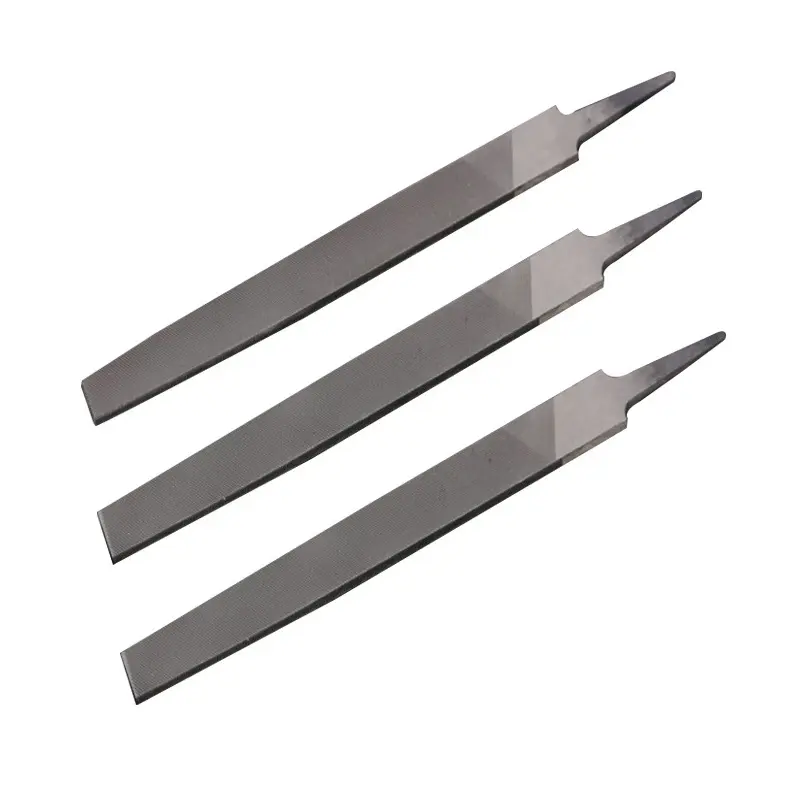
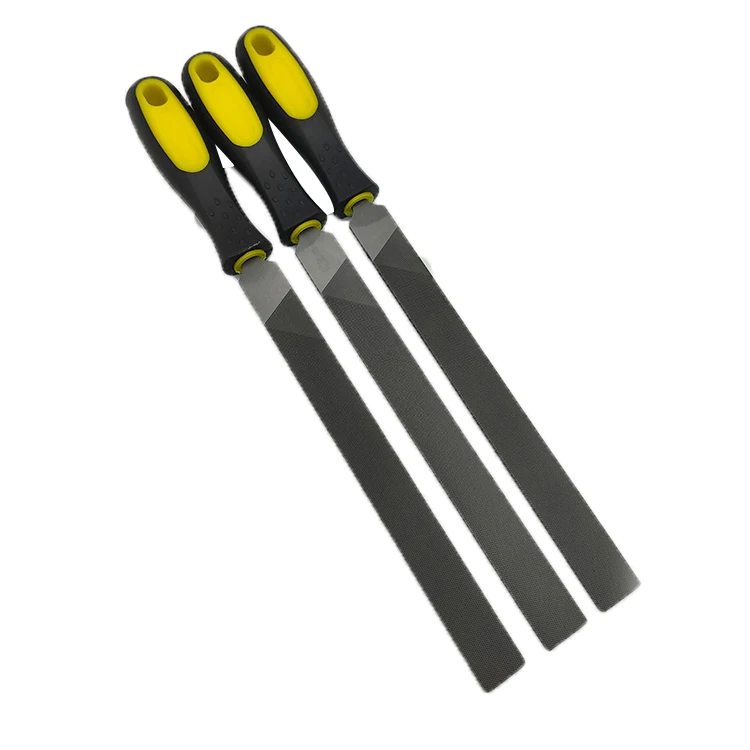
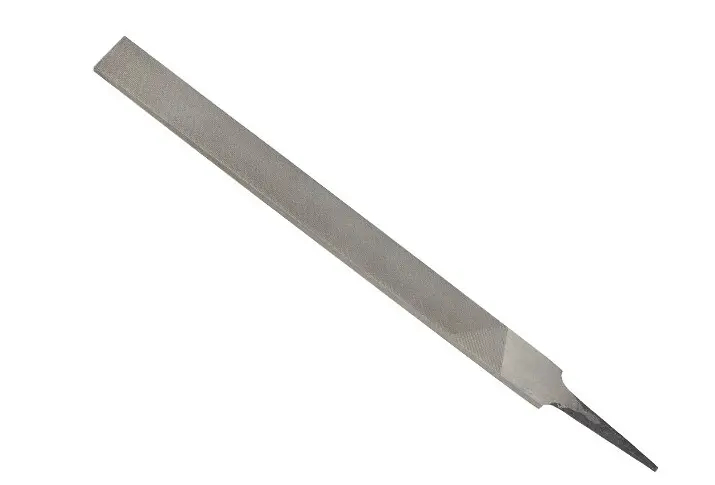
Our professional-grade Flat Files and Flat Rasps are engineered for high-precision material removal and surface refinement. Crafted from premium high-carbon steel, these tools are indispensable for industrial workshops, metalworking shops, and professional woodworking, offering a tapered blade design that ensures stability and accuracy across flat, cylindrical, and convex surfaces.
Whether you are smoothing welded joints, sharpening saw blades, or sculpting intricate wooden designs, our versatile range provides the perfect balance of aggression and precision. From heavy-duty material removal with rasps to fine finishing with double-cut files, these tools are designed to meet the rigorous demands of professional craftsmen and industrial manufacturers.
Detailed Parameters
| Material Grade | T8 / T12 High Carbon Steel | Hardness Range | HRC 62-67 |
|---|---|---|---|
| Available Sizes | 4" to 18" (Multiple increments) | Cut Types | Bastard, Second, Smooth |
| Cut Pattern | Double Cut / Diagonal / Crosshatch | Blade Shape | Slightly Tapered Width & Thickness |
| Applicable Materials | Steel, Alloy, Iron, Wood, Stone, Plastic | Processing Capabilities | Plane, Cylindrical, Convex, Chamfering |
| Customization | Laser Logo & OEM Packaging | Tracking | Barcode available on package |
Key Advantages
Extreme Hardness
Utilizing T8/T12 steel with hardness up to HRC62-67 for superior wear resistance and long-term durability.
Efficient Removal
Aggressive teeth patterns on rasps allow for rapid material removal and fast shaping of workpieces.
Multi-Surface Versatility
Optimized for plane surfaces, cylindrical profiles, convex cambered surfaces, and precise chamfering.
Cross-Industry Use
Perfect for woodworking, metalworking, stone carving, and even as professional garden tool sharpeners.
Precision Finishing
Available in Bastard, Second, and Smooth cuts to transition from rough shaping to mirror-like finishes.
OEM Readiness
Full support for custom laser logos, tailored OEM packaging, and integrated barcodes for retail.
Product Gallery
Management Platforms
Inventory Control
Real-time tracking of file sizes from 4" to 18" to ensure consistent supply for large orders.
QC Standardization
Rigorous hardness testing (HRC62-67) to guarantee every tool meets industrial standards.
OEM Customization
Streamlined process for laser logo integration and custom branded packaging designs.
Logistics Optimization
Specialized packing for steel tools to prevent oxidation and damage during global transit.
Bulk Procurement
Scalable production capacity for wholesale distributors and industrial supply chains.
Application Support
Technical guidance on choosing the right cut (Bastard vs Smooth) for specific materials.
Investment Return Comparison
| Comparison Metric | Standard Grade Files | Our Professional Series | Impact on ROI |
|---|---|---|---|
| Tool Lifespan | Moderate | Extreme (HRC62-67) | Lower Replacement Cost |
| Material Removal Speed | Slow/Inconsistent | Rapid & Precise | Increased Labor Efficiency |
| Surface Quality | Rough/Uneven | Smooth/Professional | Reduced Post-Processing |
| Versatility | Single Material | Multi-Material Support | Reduced Tool Inventory |
| Brand Value | Generic | Custom OEM/Laser Logo | Higher Retail Margin |
Frequently Asked Questions
Files have smaller, closer teeth for smoothing and finishing, while rasps have larger, individual raised teeth for aggressive material removal, particularly in woodworking.
Yes, our tools are suitable for a wide range of materials including alloy steel, iron, stone, soft metals like aluminum, and various plastics or composite materials.
These refer to the coarseness of the teeth. Bastard is for coarse removal, Second is for general shaping, and Smooth is for final finishing and polishing.
Absolutely. We offer professional laser logo engraving, customized OEM packaging, and individual barcodes to help you build your own brand identity.
In the lithium battery equipment industry, precision maintenance of molds and housings is critical. T8/T12 steel ensures the tool doesn't wear down quickly when filing hard alloys.
Keep the tool clean of debris using a file card and store it in a dry environment to prevent surface oxidation, preserving the HRC62-67 hardness.
Ready to Upgrade Your Industrial Tooling?
Contact UsNews


