Comprehensive Guide to Jute Bags Manufacturing and Sustainable Packaging Solutions
Jute Bags Manufacturing: A Comprehensive Guide
Jute bags are an increasingly popular eco-friendly packaging solution, prized for their strength, biodegradability, and affordability. Understanding the manufacturing process is crucial for businesses seeking reliable sourcing. This article provides an in-depth look at jute bags manufacturing, covering everything from raw material sourcing to quality control. As sustainability becomes paramount, exploring the nuances of jute bag production is essential for informed decision-making. We will also explore benefits and why choosing XT Shuoding is a smart choice.
The Jute Fiber Sourcing and Preparation Process
The journey of a jute bag begins with the jute plant (Corchorus capsularis or Corchorus olitorius). Cultivation predominantly occurs in India and Bangladesh. After harvesting, the stalks undergo retting – a process of immersing them in water to loosen the fibers. This is followed by stripping, where the fibers are separated from the stalks. The extracted jute fibers are then dried, cleaned, and graded based on quality. The quality of the initial fibers directly impacts the final product's strength and durability, making careful sourcing a critical step in jute bags manufacturing. We at XT Shuoding meticulously source our jute from trusted suppliers to ensure consistently high-quality output.
Key Highlights: Sourcing premium jute fibers is the foundation of producing durable and high-quality jute bags. Proper retting and cleaning are vital for fiber strength.
Weaving and Cutting: Transforming Fiber into Fabric
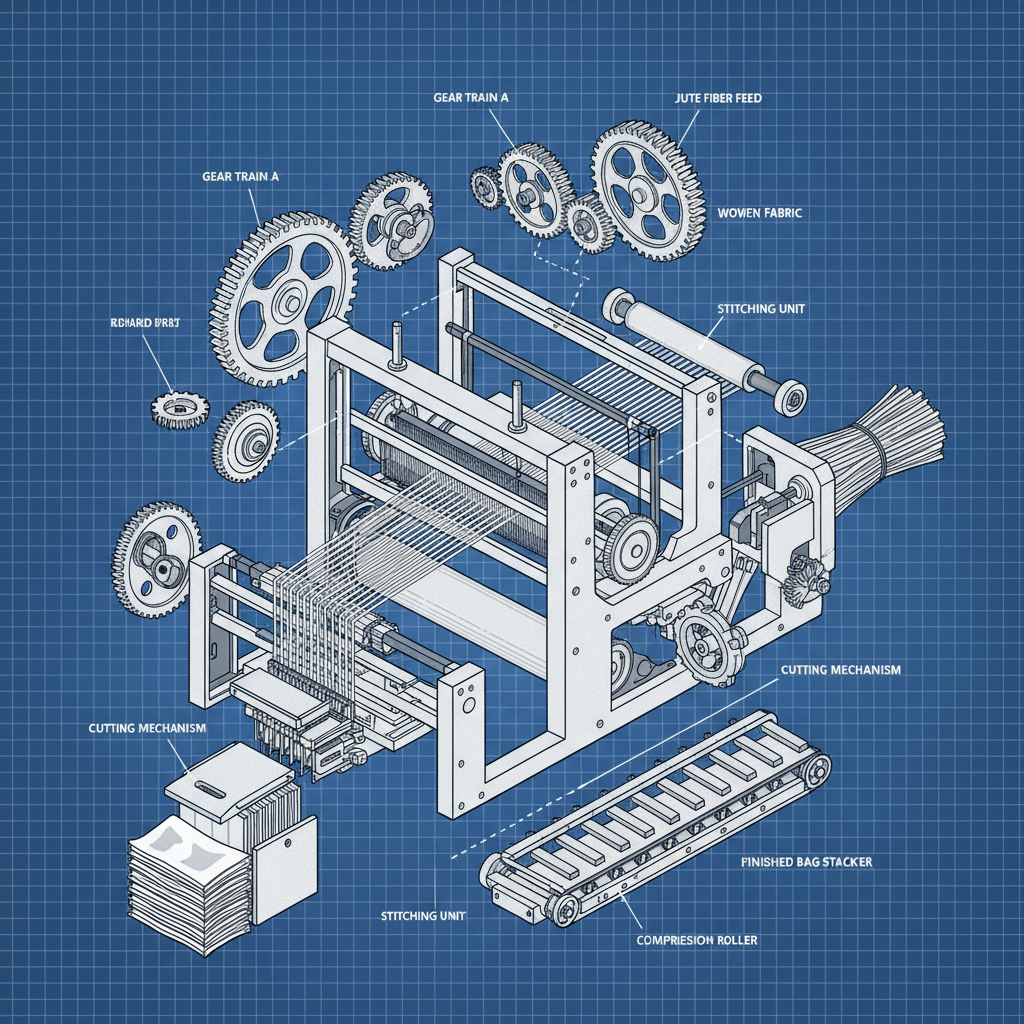
Once prepared, the jute fibers are spun into yarn. This yarn is then woven into fabric using traditional handlooms or modern power looms. Power looms generally offer higher production speeds and more consistent fabric quality. The fabric is subsequently cut into the desired shapes and sizes for the specific bag designs. Accurate cutting is crucial for minimizing waste and ensuring uniform bag dimensions. Different weaving patterns produce varying fabric weights and textures, impacting the bag’s intended use and aesthetic appeal. XT Shuoding utilizes both handloom and power loom techniques to cater to diverse customer preferences.
Weaving Techniques:
• Plain weave: A basic and durable weave.
• Twill weave: Offers a diagonal pattern and enhanced strength.
• Herringbone weave: Creates a distinctive V-shaped pattern.
• Laminated Jute: Jute fabric laminated with Polypropylene (PP) or other materials for increased strength and water resistance.
Jute Bags Manufacturing: A Detailed Process Overview
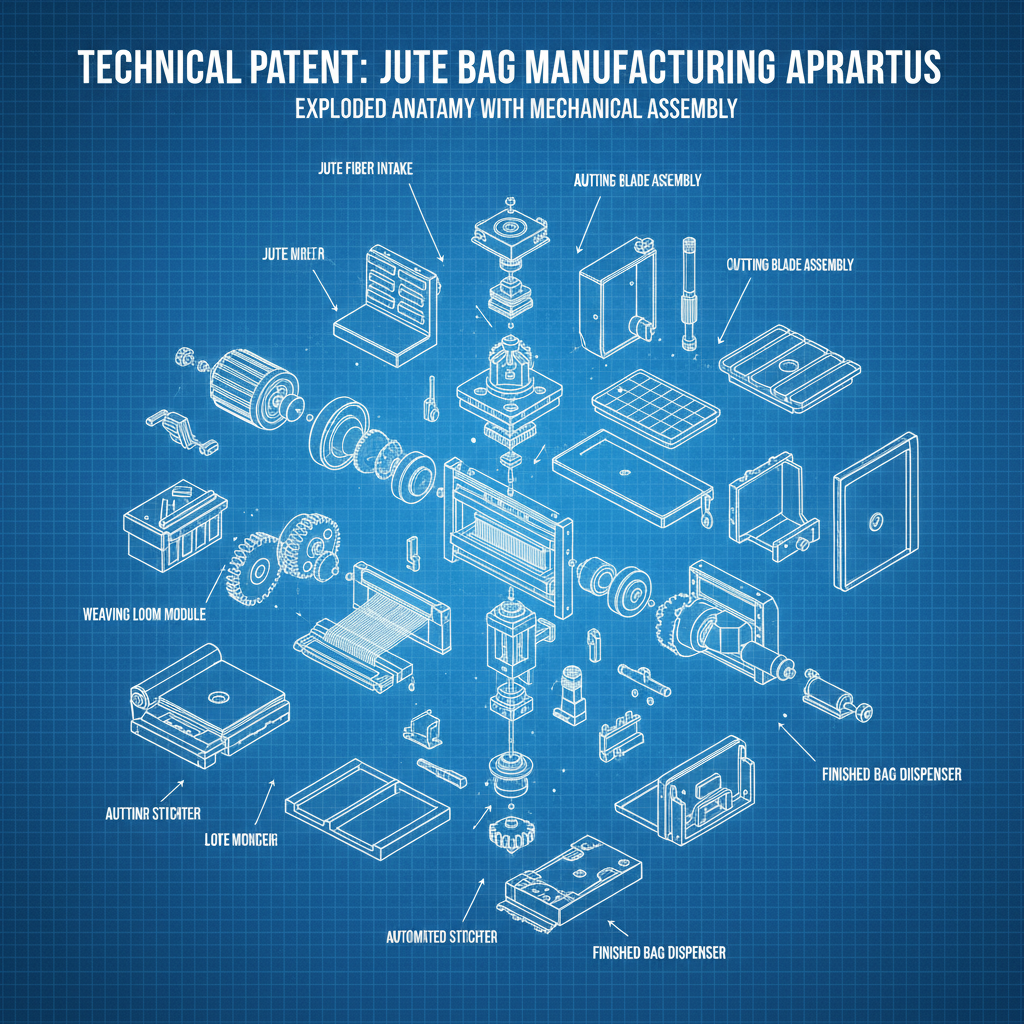
Understanding the entire process helps appreciate the complexity behind each jute bag manufacturing. Here is a breakdown of the key stages:
Finishing Techniques and Customization Options
The finishing stages are where bags are personalized. Common techniques include screen printing, heat transfer printing, and embroidery for adding logos and designs. Handles are attached, often made from jute, cotton, or synthetic materials. Quality control checks are performed at each stage, ensuring the bags meet specified standards for strength, stitching, and print quality. Increasingly, businesses seek eco-friendly dyes and finishes. XT Shuoding offers a wide range of customization options to meet diverse branding needs.
Quality Control Measures in Jute Bag Production
Rigorous quality control is essential. This includes inspecting the raw materials, checking yarn strength, verifying fabric weave quality, and assessing stitching accuracy. Load-bearing tests are conducted to ensure bags can withstand intended weight. Print quality and colorfastness are also evaluated. A well-defined quality control system minimizes defects and guarantees customer satisfaction. XT Shuoding adheres to stringent quality standards, resulting in durable, reliable products.
Conclusion: Sustainable and Reliable Jute Bag Solutions
Selecting the right jute bag manufacturer is paramount for businesses prioritizing quality, sustainability, and reliability. Understanding the manufacturing process – from fiber sourcing to finishing – empowers informed decisions. XT Shuoding consistently delivers exceptional jute bags tailored to your specific requirements. Choose a partner dedicated to excellence and environmental responsibility.
Frequently Asked Questions (FAQs)
What are the benefits of using jute bags over plastic bags?
Jute bags are a significantly more sustainable alternative to plastic bags. They are biodegradable and compostable, reducing landfill waste. Jute is a renewable resource, requiring minimal water and pesticides to grow. Jute bags are also incredibly strong and durable, capable of carrying heavier loads than many plastic bags. Furthermore, jute’s natural texture and versatility allow for attractive branding and customization, enhancing their appeal for promotional and retail purposes.
What is the minimum order quantity (MOQ) for custom jute bags?
The minimum order quantity varies depending on the bag’s specifications, including size, design, printing, and handle type. Generally, our MOQ is 500-1000 bags. However, we are happy to discuss smaller quantities for specific projects or if you are willing to consider slightly higher per-unit costs. Contacting XT Shuoding directly will allow us to provide a precise quote based on your unique requirements.
How long does it take to manufacture custom jute bags?
The lead time for custom jute bag manufacturing typically ranges from 3 to 6 weeks, depending on the complexity of the order and our current production schedule. This includes time for fiber sourcing, weaving, cutting, sewing, printing, and quality control. We provide realistic timelines upfront and maintain open communication throughout the production process to ensure timely delivery.
Can jute bags be laminated for water resistance?
Yes, jute bags can be laminated with materials like polypropylene (PP) to provide water resistance. Lamination makes the bags more durable and suitable for carrying liquids or protecting contents from moisture. We offer various lamination options, including matte and glossy finishes. However, it’s important to note that lamination can slightly reduce the biodegradability of the bag.
Share
-
Elegant Wedding Jute Bags for Sustainable and Rustic Event PackagingNewsApr.09,2026
-
Sustainable Jute Bags for Coffee Packaging and Branding SolutionsNewsApr.07,2026
-
Explore the Benefits of Sustainable Saran Jute Bags for Your BusinessNewsApr.04,2026
-
Sustainable Jute Soap Bags Packaging Solutions for Eco Friendly BrandsNewsMar.31,2026
-
Discover the EcoFriendly Charm of Jute Favor Bags for Every OccasionNewsMar.28,2026
-
Comprehensive Guide to Jute Bag Packing for Efficient Global TradeNewsMar.26,2026