Jute is a natural fiber popularly known as the golden fiber. It is one of the cheapest and the strongest of all natural fibers and considered as fiber of the future. Jute is second only to cotton in world's production of textile fibers. The jute fiber is also known as Pat, kosta, Nalita, Bimli or Mesta (kenaf).
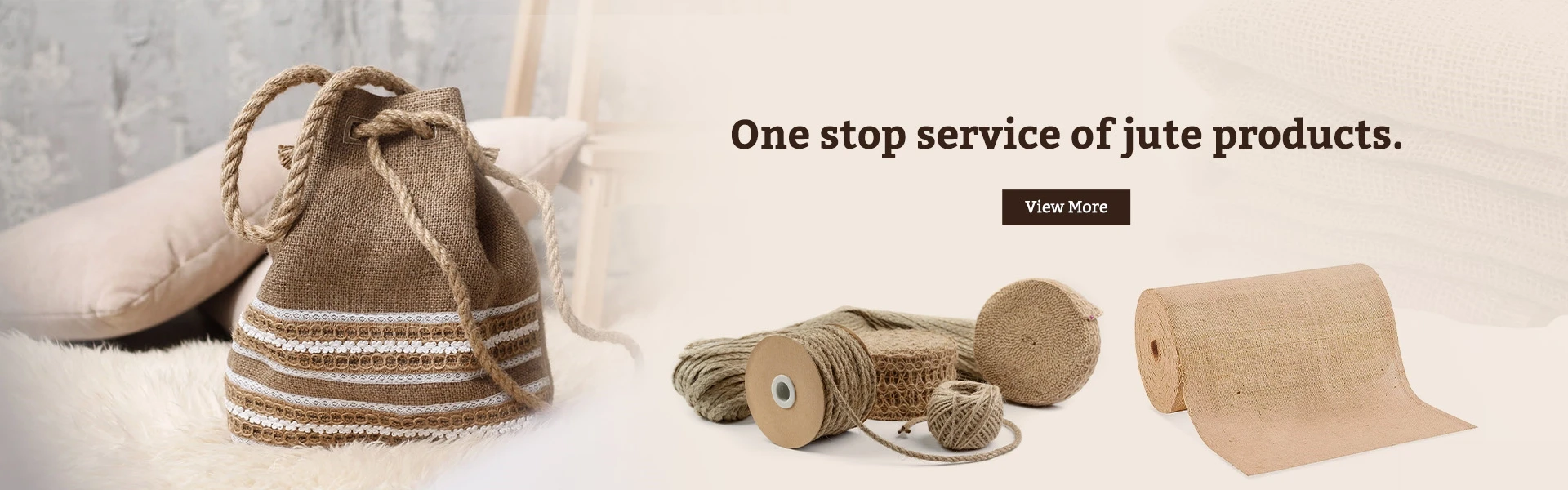
Jute is not only a major textile fibre but also a raw material for non traditional and value added non-textile products. Jute is used extensively in the manufacture of different types of traditional packaging fabrics, manufacturing Hessian, saking, carpet backing, mats, bags, tarpaulins, ropes and twines. Recently jute fibers are used in a wide range of diversified products: decorative fabrics, chic-saris, salwar kamizes, soft luggage's, footwear, greeting cards, molded door panels and other innumerable useful consumer products. Supported by several technological developments today jute can be used to replace expensive fibers and scare forest materials.
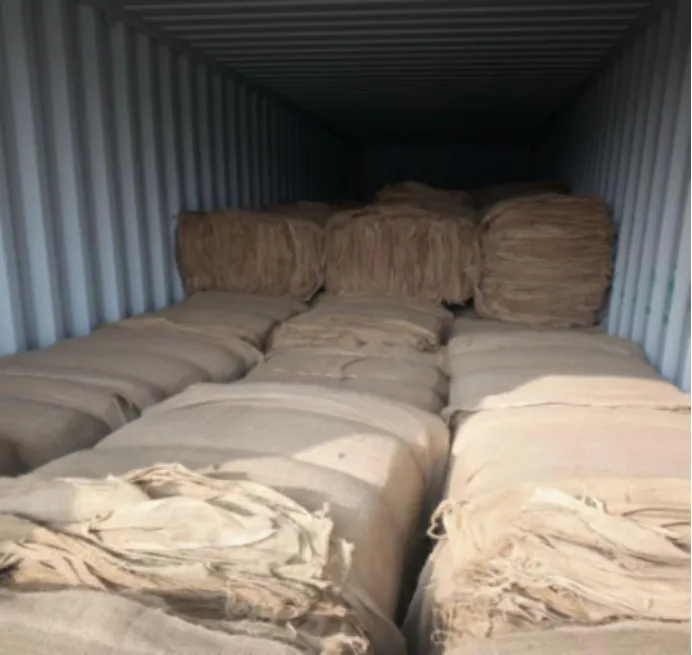
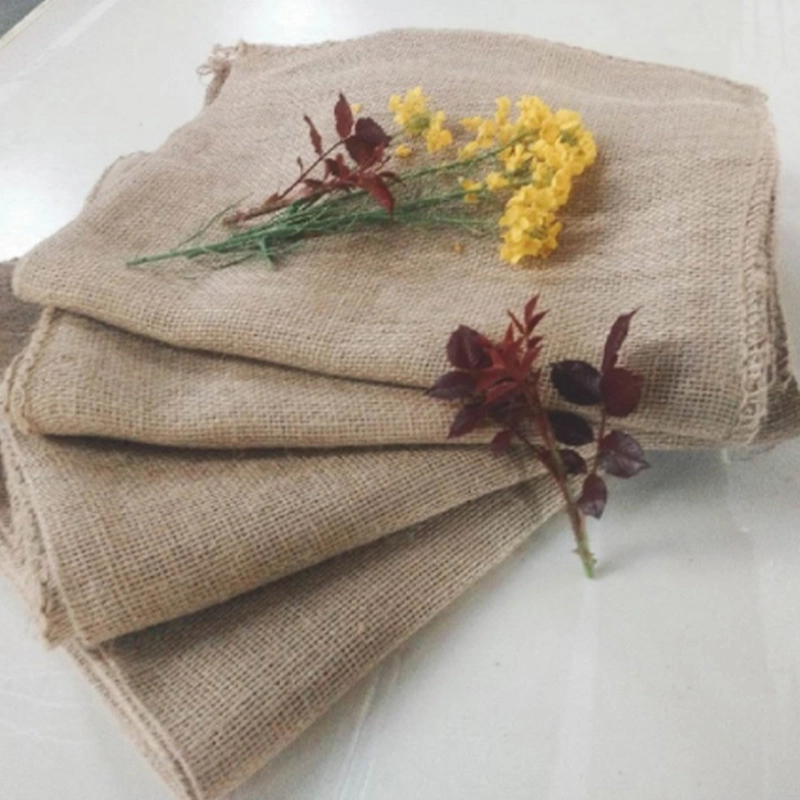
Jute sacks/burlap bag/gunny bag
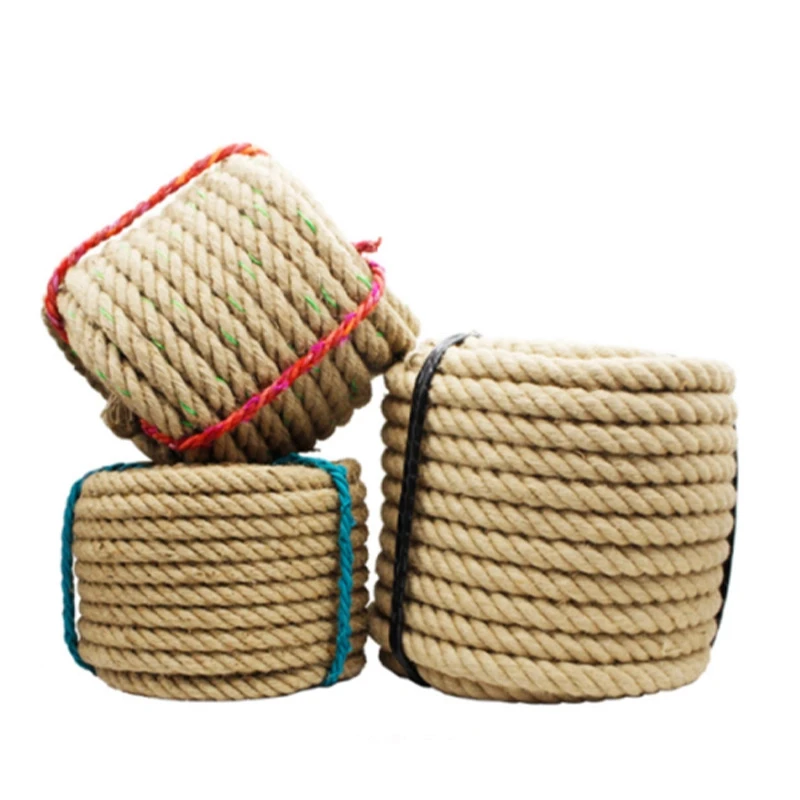
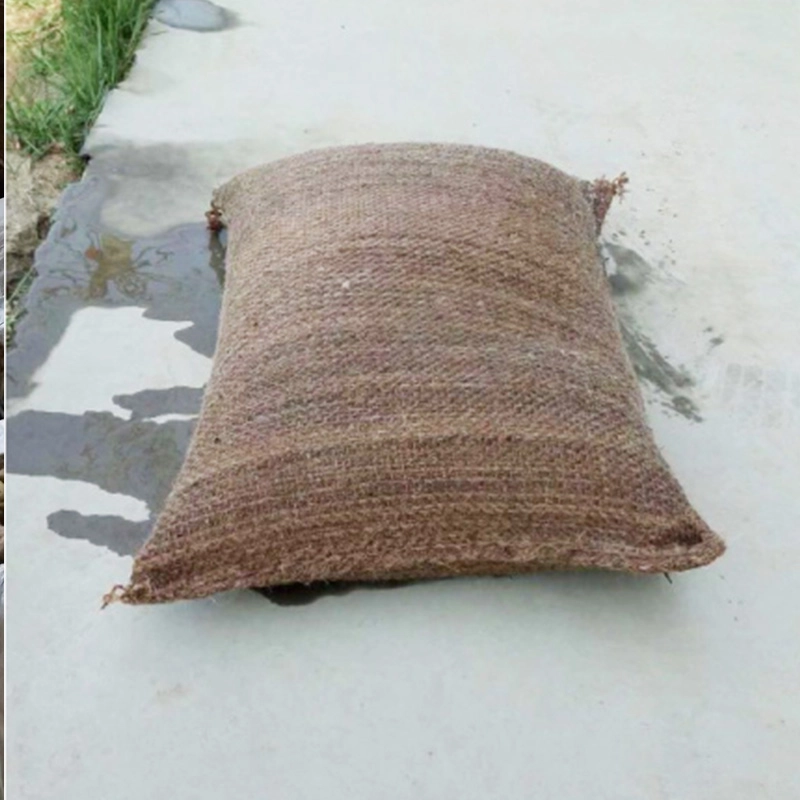
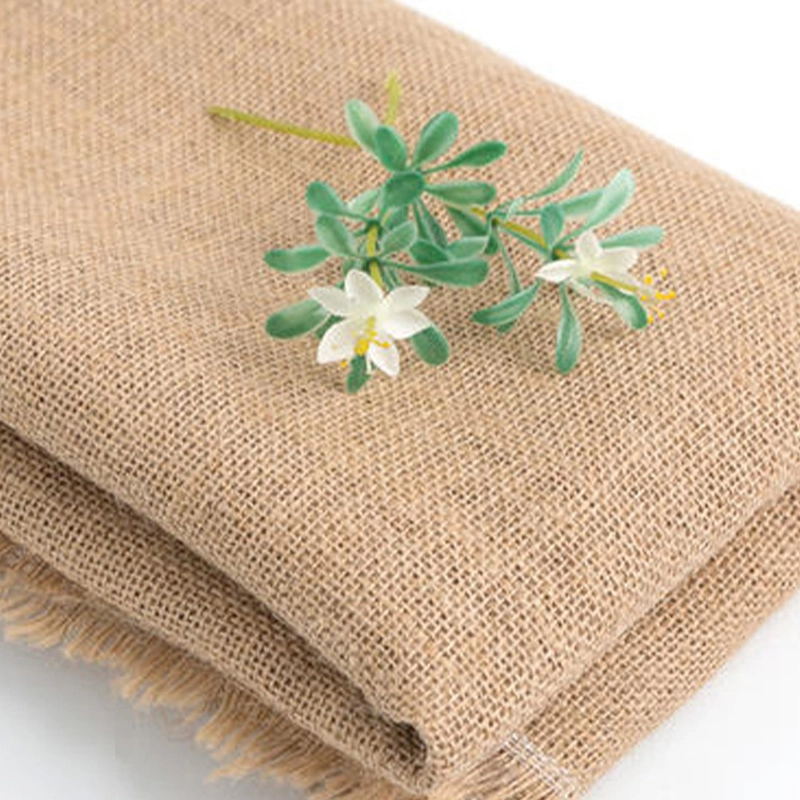
Qu’est-ce que le jute ?
Les sacs en plastique ont joué un rôle important dans la pollution de l'environnement. Bien qu’ils soient durables, ils ne sont pas biodégradables, ce qui les rend presque impossibles à éliminer en toute sécurité. Les chercheurs et les scientifiques ont travaillé sans relâche pour trouver des fibres alternatives capables de remplacer non seulement le plastique mais aussi d’autres fibres synthétiques sans autant de dommages pour l’environnement.
Jute, also known as the “golden fibre’ – is a natural fibre that has provided a reprieve. It’s used to make a variety of items which include sacks, curtains, furniture accessories and rustic looking sacs de jute.
The fibre is made from plants with long, soft and shiny fibres spun into strong but coarse threads. This one-of-a-kind fibre which is second to cotton in terms of production provides an alternative to synthetic fibres and materials like plastic.
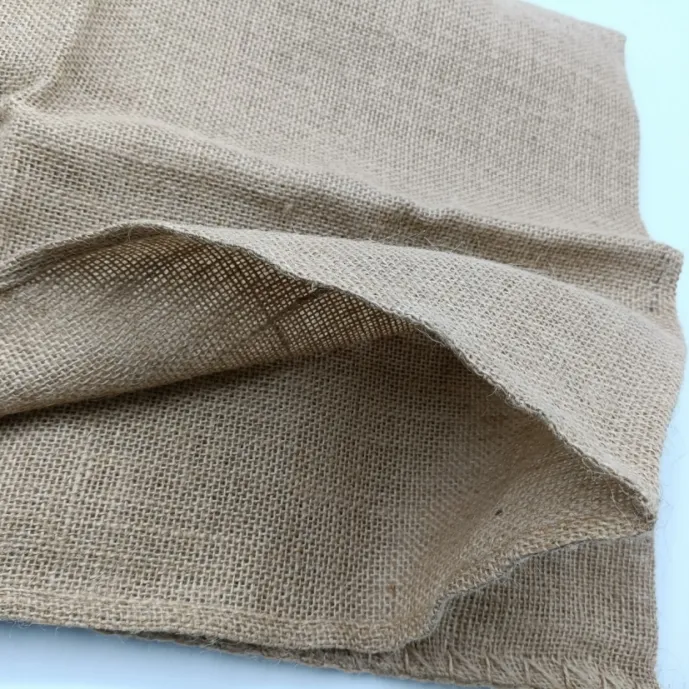
Jute Types
New burlap bag with one green strip: 75CM * 110CM Weight: approximately 1000g each
New burlap bag with one green strip: 74CM * 105CM Weight: Approximately 600g each
Nouveau sac en toile de jute : 74 cm x 105 cm. Poids : environ 850 g chacun.
Sac en toile de jute neuf : 60 cm x 100 cm. Poids : environ 480 g chacun.
New burlap bag (thick burlap bag) : 60CM * 100CM Weight: approximately 600g each
Sac en toile de jute neuf (taille moyenne) : 60CM * 90CM Poids : environ 450g chacun
New burlap bag (thick burlap bag) : 60CM * 90CM Weight: approximately 580g each
Sac en toile de jute neuf (taille moyenne) : 50 cm x 74 cm. Poids : environ 300 g chacun.
Sac en toile de jute neuf (petite taille) : 40CM * 60CM Poids : environ 200g chacun
90% new burlap bag (large size) : 74CM * 107CM Weight: approximately 850g each
Large patch burlap bag (large size) : 74CM * 107CM Weight: Approximately 850g each
Small patch burlap bag (large size) : 74CM * 107CM Weight: Approximately 850g each
Vieux sac en toile de jute à bande verte (grande taille) : 75 cm x 110 cm. Poids : environ 1000 g chacun.
spécifications du sac en toile de jute du grand au petit.
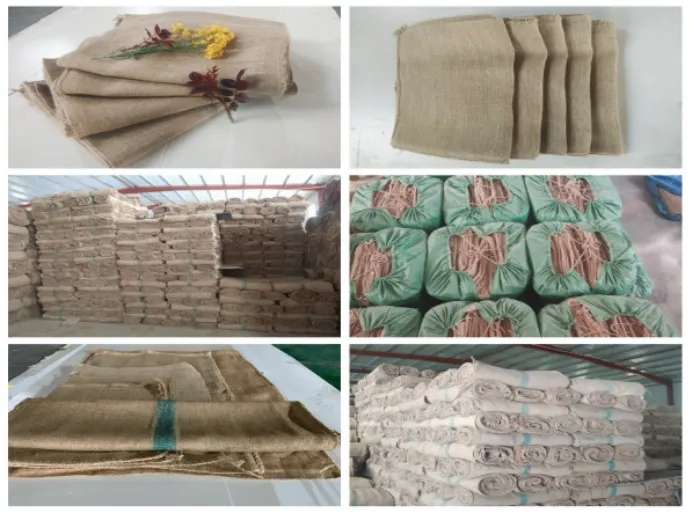
Sac en toile de jute standard national : 107 x 74 cm.
Gamme applicable : couramment utilisée pour contenir des cacahuètes et des haricots, pour la prévention et le contrôle des inondations ;
Small burlap bag :50 * 70cm.Applicable range: commonly used as flood prevention burlap bag, flood prevention burlap bag, and glass ball burlap bag;
Small burlap bag: 40 * 60cm.Scope of application: commonly used for hardware packaging such as screws and nuts;
Small burlap bag:30 * 50cm. Applicable range: commonly used for hardware packaging and soil filling;
Customizable size according to requirements.