Comprehensive Guide to Jute Plastic Bags for International Trade and Export
Jute Plastic Bags: A Comprehensive Guide for International Trade
In today's global marketplace, sustainable and cost-effective packaging solutions are paramount. Jute plastic bags are emerging as a popular choice for businesses engaged in international trade, offering a blend of durability, eco-friendliness, and versatility. This article will explore the benefits, applications, and sourcing considerations for jute plastic bags, providing valuable insights for importers and exporters. Choosing the right packaging can significantly impact your supply chain efficiency and brand image. We’ll delve into what makes these bags a smart investment.
Understanding Jute Plastic Bags: Material & Construction
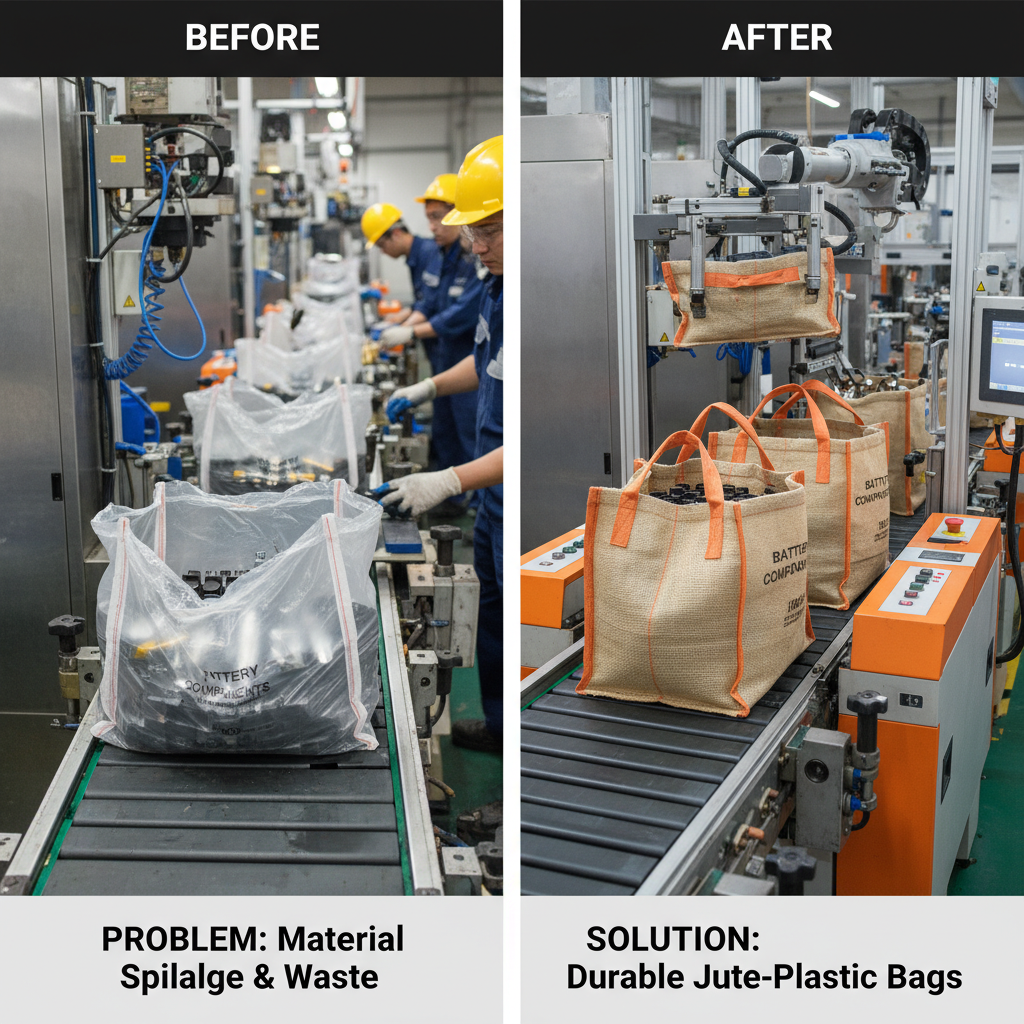
Jute plastic bags aren't simply made of one material. They typically consist of a woven jute fabric laminated with polyethylene (PE) plastic. This combination leverages the strength and biodegradability of jute with the water resistance and durability of plastic. The proportion of jute to plastic can vary, impacting the bag's properties. Higher jute content increases biodegradability, while a higher plastic content enhances water resistance and strength. This makes them ideal for various applications, from agricultural product packaging to industrial goods transport. The weaving pattern also affects the bag’s strength and texture. XTShuoding specializes in tailoring these blends to meet specific client needs.
Key Highlights: Jute plastic bags offer a blend of strength, biodegradability, and water resistance, making them versatile for a wide range of applications.
The Benefits of Using Jute Plastic Bags for Export & Import
Switching to jute plastic bags offers several advantages for businesses involved in international trade. Firstly, they are a more sustainable option compared to purely plastic bags, appealing to environmentally conscious consumers. Secondly, jute is a natural fiber, making the bags biodegradable under the right conditions, which is important for reducing landfill waste. Thirdly, these bags are robust and can withstand the rigors of international shipping. They’re also relatively inexpensive, especially when sourced directly from manufacturers like XTShuoding. Finally, they can be customized with branding and product information, enhancing brand visibility.
Sustainability & Cost Benefits:
• Eco-friendly alternative to traditional plastic bags
• Biodegradable under composting conditions
• Relatively low cost, especially with direct sourcing
• Durable for international shipping
Jute Plastic Bags vs. Other Packaging Options: A Comparative Analysis
When considering packaging options for international trade, it's important to weigh the pros and cons of each. Jute plastic bags stack up favorably against alternatives like woven polypropylene (PP) bags, paper bags, and traditional plastic bags. While PP bags are often cheaper, they are entirely plastic and less sustainable. Paper bags lack the strength and water resistance needed for long-distance shipping. Traditional plastic bags are detrimental to the environment. XTShuoding provides tailored solutions, allowing clients to choose the optimal blend of materials for their specific needs and budget.
Common Applications of Jute Plastic Bags in International Trade
Jute plastic bags are used across a diverse range of industries. They’re commonly used for packaging agricultural products like coffee beans, cocoa, grains, and spices. They are also ideal for packing industrial goods, such as chemicals, fertilizers, and building materials. Furthermore, they can be used for pet food, animal feed, and even disaster relief supplies. Their strength and water resistance make them well-suited for these varied applications, ensuring products arrive safely and in good condition. XTShuoding offers customization options to tailor bags to specific product requirements.

Sourcing Jute Plastic Bags: Key Considerations & Working with XTShuoding
When sourcing jute plastic bags, it’s crucial to choose a reliable supplier. Consider factors such as manufacturing capacity, quality control processes, and lead times. Directly sourcing from manufacturers like XTShuoding can offer cost savings and greater control over the production process. Be sure to clearly specify your requirements, including bag size, weight capacity, lamination thickness, printing details, and quantity. Also, inquire about certifications and compliance with international standards. Effective communication and a strong relationship with your supplier are key to a successful partnership.
Conclusion: A Sustainable and Reliable Packaging Solution
Investing in jute plastic bags offers a compelling combination of sustainability, durability, and cost-effectiveness for businesses engaged in international trade. By carefully considering your sourcing options and partnering with a reliable supplier like XTShuoding, you can secure high-quality packaging that meets your specific needs and contributes to a more environmentally responsible supply chain.
Frequently Asked Questions (FAQs)
What is the typical lead time for a large order of jute plastic bags?
Lead times can vary depending on the order quantity, customization requirements, and current production schedule. However, generally, for a large order (e.g., over 10,000 bags), you can expect a lead time of 4-8 weeks. It's crucial to communicate your deadline well in advance to allow for sufficient production and shipping time. XTShuoding strives to provide accurate and realistic lead time estimates and to expedite production whenever possible.
Can jute plastic bags be customized with my company logo?
Yes, absolutely! Customization is a key service offered by XTShuoding. We can print your company logo, branding elements, and product information onto the bags using various printing methods, including flexographic printing. Please provide your logo in a high-resolution format (e.g., AI, EPS, or PDF) along with your specific printing requirements for a precise quote. We offer a range of printing options to suit different budgets and design complexities.
Are jute plastic bags suitable for food packaging?
While jute plastic bags can be used for some food packaging applications, it’s essential to ensure they meet food-grade standards. The plastic liner must be made from food-safe polyethylene (PE). It’s crucial to verify that the bags comply with relevant food safety regulations in your target market. XTShuoding offers food-grade options and can provide the necessary certifications upon request.
What are the environmental benefits of using jute plastic bags?
Jute is a renewable and biodegradable natural fiber, making jute plastic bags a more sustainable option than purely plastic alternatives. Jute plants require minimal water and pesticides to grow, reducing their environmental impact. While the plastic component isn’t biodegradable, the inclusion of jute reduces the overall plastic content and promotes a more circular economy. Choosing these bags demonstrates a commitment to environmental responsibility.
Share
-
Eco Friendly Drawstring Jute Bag Guide for Sustainable PackagingNewsApr.16,2026
-
Elegant Wedding Jute Bags for Sustainable and Rustic Event PackagingNewsApr.09,2026
-
Sustainable Jute Bags for Coffee Packaging and Branding SolutionsNewsApr.07,2026
-
Explore the Benefits of Sustainable Saran Jute Bags for Your BusinessNewsApr.04,2026
-
Sustainable Jute Soap Bags Packaging Solutions for Eco Friendly BrandsNewsMar.31,2026
-
Discover the EcoFriendly Charm of Jute Favor Bags for Every OccasionNewsMar.28,2026