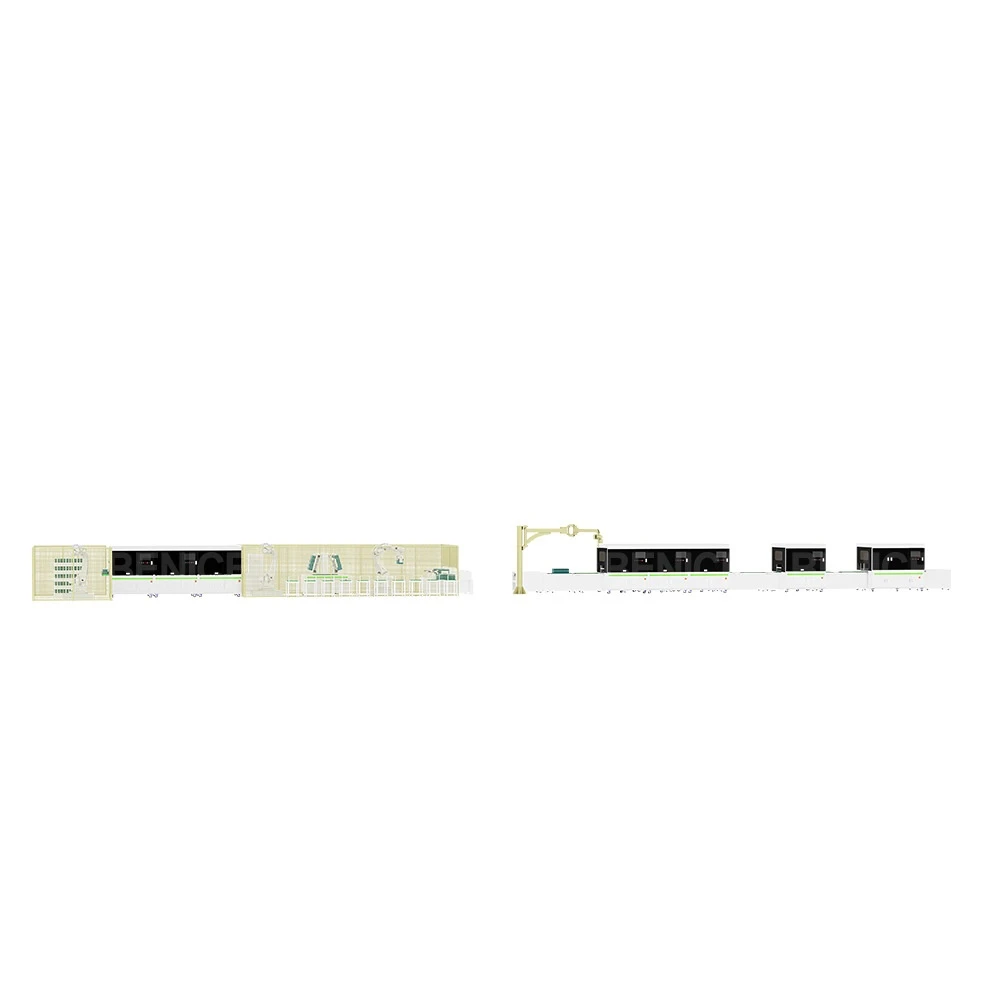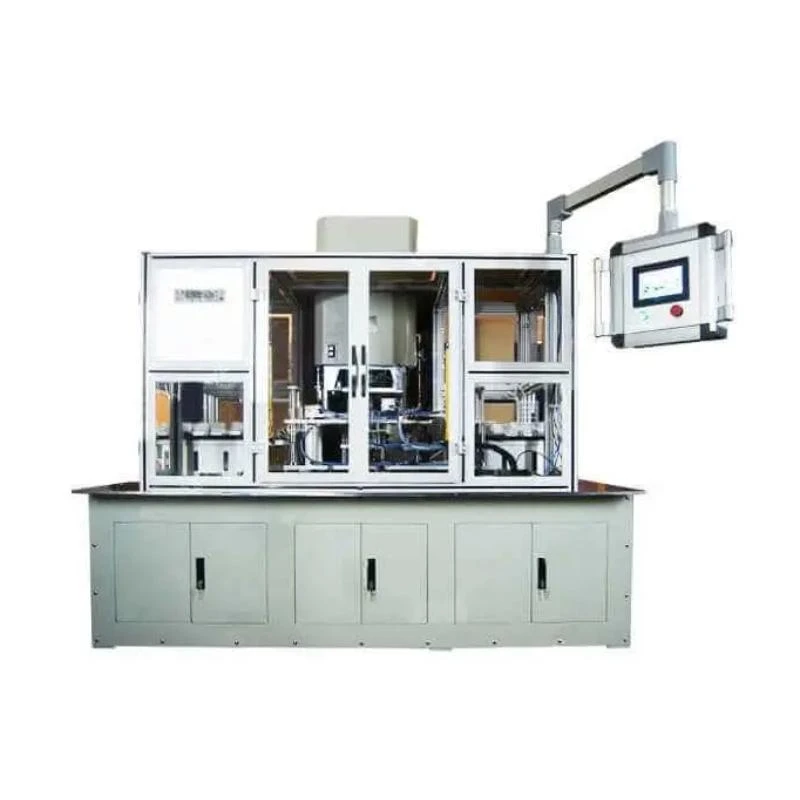

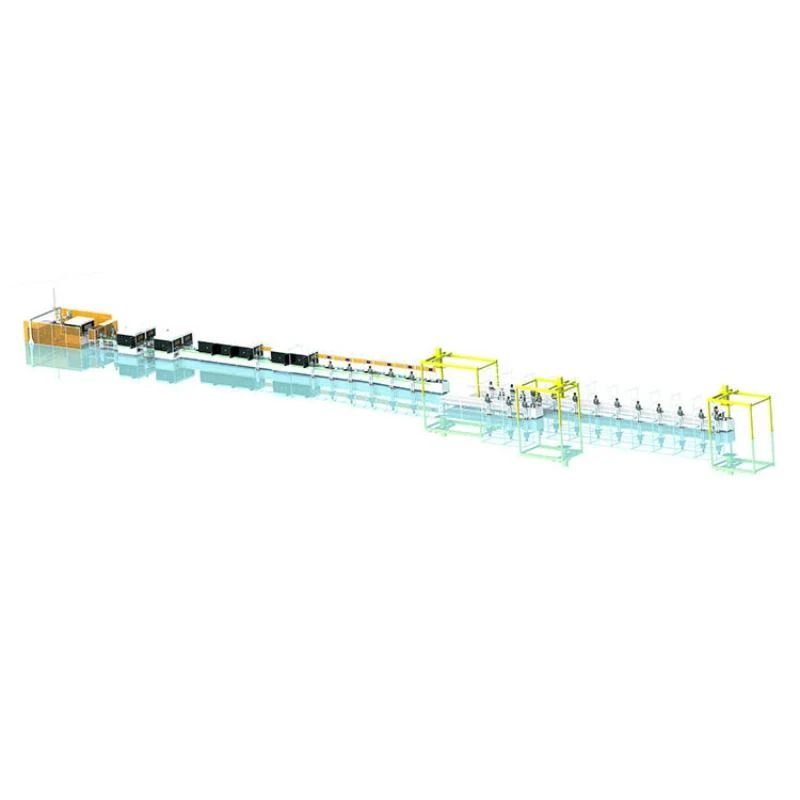
Advanced lithium ion battery assembly line Solutions for Ghana's Energy Transition

Empowering Ghana's industrial landscape with high-precision battery manufacturing technology and integrated industrial supplies.

Advanced lithium ion battery assembly line Solutions for Ghana's Energy Transition

Providing end-to-end lithium battery production ecosystems specifically engineered for the Ghanaian market, integrating automation with robust industrial components.

Current State of Energy Storage Manufacturing in Ghana

Analyzing the intersection of industrial growth and energy challenges in West Africa.

Ghana is currently witnessing a surge in demand for renewable energy storage due to its goal of increasing electricity access in rural areas. However, the local industry relies heavily on imported cells, while the capacity for a full lithium ion battery assembly line is still in its nascent stages, facing challenges in technical expertise and stable power for factories.

The tropical climate of Ghana poses significant thermal management challenges. Local manufacturers often struggle with battery degradation caused by high humidity and temperature, creating a critical need for high-quality rubber seal strip components to ensure IP-rated protection for battery enclosures against dust and moisture.

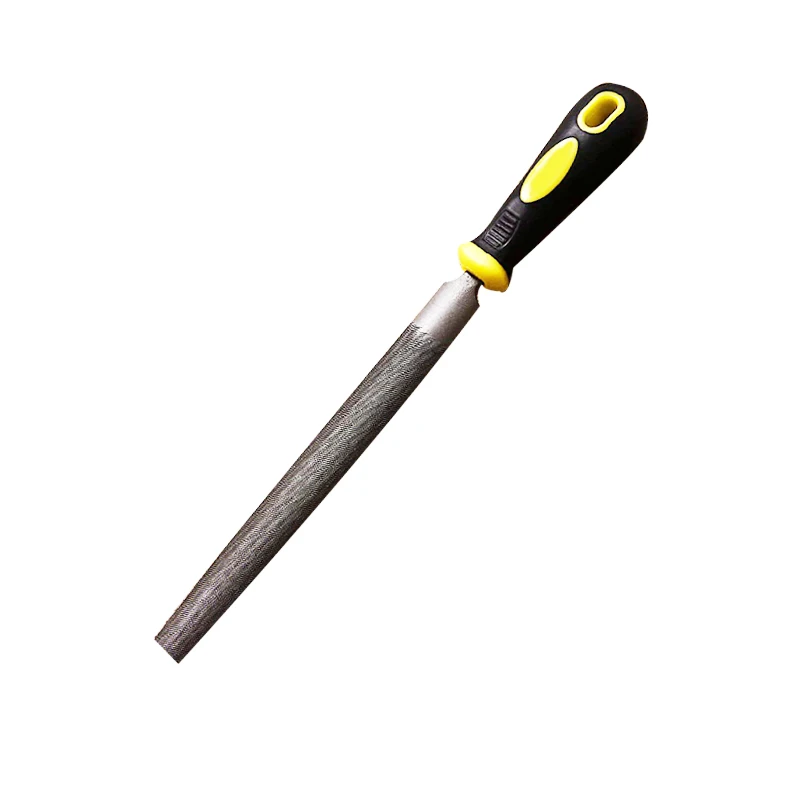
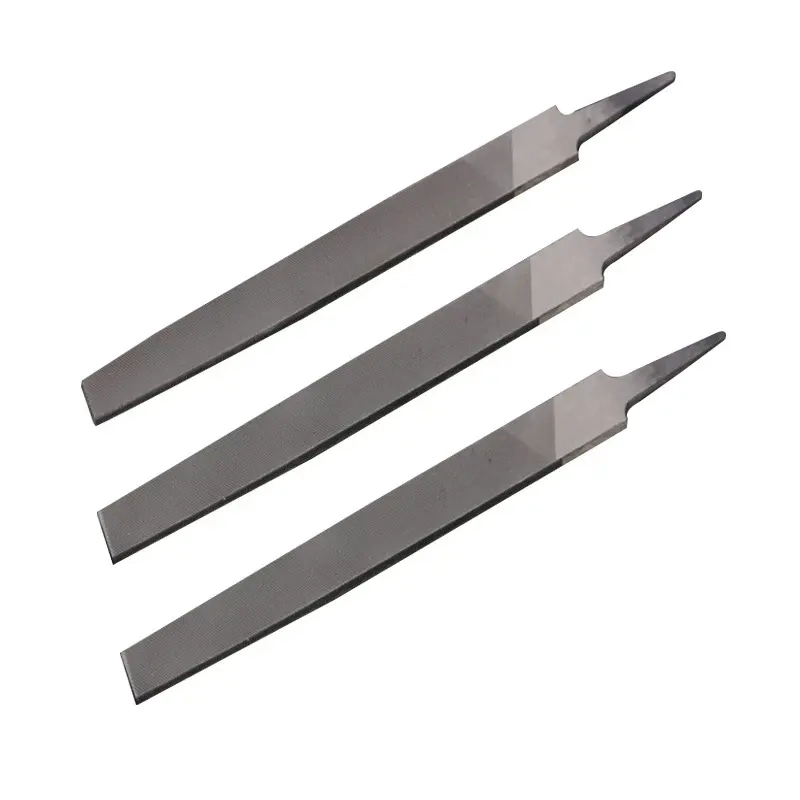
Furthermore, the supporting industrial supply chain in Ghana is fragmented. While the energy sector grows, the availability of precision tools like steel files for manual finishing and specialized packaging such as jute bags for raw material transport remains inconsistent, hindering the scalability of local assembly plants.
Evolution of Battery Assembly Technology in West Africa

From manual cell wiring to fully automated intelligent production systems.

Market Development History

Between 2010 and 2018, the Ghanaian energy market was dominated by lead-acid batteries. Assembly was primarily manual, involving simple wiring and basic housing, where basic hand tools were the primary means of production.

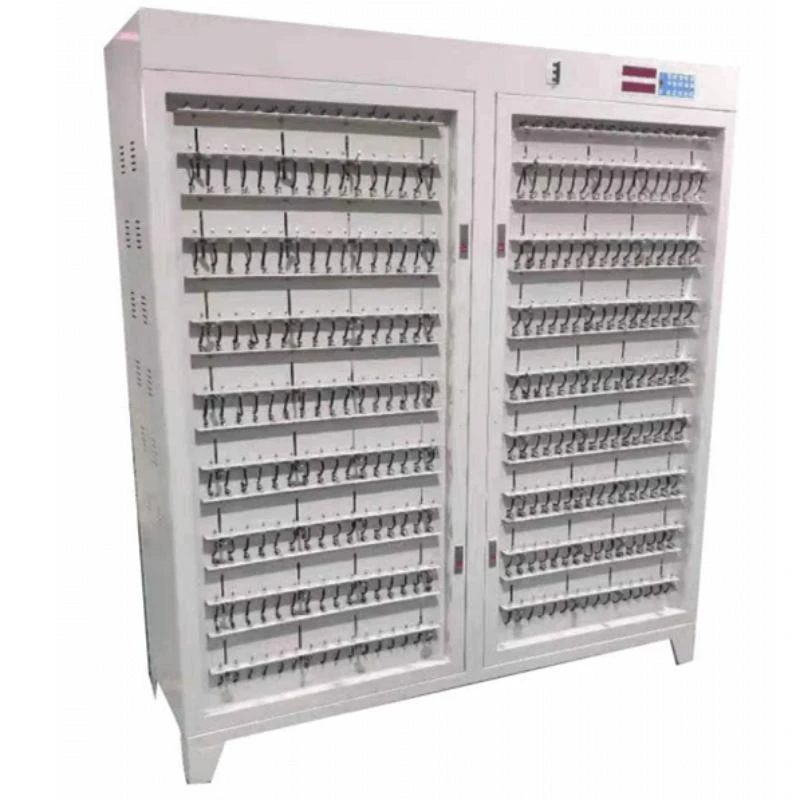
From 2019 to 2023, there was a strategic pivot toward Lithium-ion technology. Small-scale "boutique" assembly shops emerged, utilizing semi-automated spot welding machines and basic testing equipment to meet the demand for solar home systems (SHS).

Since 2024, the trend has shifted toward industrial-scale automation. The integration of comprehensive lithium ion battery assembly line systems has allowed for higher consistency in cell balancing and safety testing, aligning with international IEC standards.

Future Development Trends

Smart Factory Integration

The adoption of IoT-enabled monitoring within the assembly process to track real-time yield and cell health during the formation process.

Circular Economy & Recycling

Implementing closed-loop systems where old batteries are dismantled using specialized tools to recover cobalt and lithium for local reuse.

Localized Material Sourcing

Reducing reliance on overseas logistics by sourcing auxiliary packaging and sealants locally to lower the carbon footprint of production.

Industry Outlook and Technological Forecast

Projecting the trajectory of Ghana's electrical machinery and battery sector.


Energy Density Optimization
Moving toward LFP (Lithium Iron Phosphate) chemistry to better suit Ghana's high-temperature environments.

Automated QC Systems
Integration of AI-driven vision inspection to reduce human error in battery cell alignment.

Modular Scale-up
Shift toward modular assembly lines that allow Ghanaian SMEs to expand capacity incrementally.

Thermal Management
Development of specialized cooling jackets using advanced polymer seals for tropical climates.

Industry Outlook

Based on Google search trends for "renewable energy Ghana" and "battery assembly," we predict a 25% annual growth in the local battery manufacturing sector. The shift toward electric mobility (e-bikes and e-rickshaws) in Accra and Kumasi will drive the demand for standardized battery packs.

The synergy between high-tech assembly lines and basic industrial consumables will be key. Even in an automated world, the precision of steel files for mold adjustment and the utility of jute bags for eco-friendly raw material storage will remain essential for cost-effective operations in Ghana.

Localized Application Scenarios in Ghana

Real-world deployments of our battery solutions across Ghanaian industries.

01. Solar Mini-Grid Storage for Rural Villages

Deploying large-scale LFP packs assembled via our automated lines to provide stable electricity to off-grid communities in the Northern Region.

02. E-Mobility Conversion Centers in Accra

Supporting workshops that convert traditional petrol motorcycles to electric using custom battery packs with high-grade rubber seal strip for water resistance during rainy seasons.

03. Agricultural Cold Chain Power Banks

Providing energy storage for portable refrigeration units used in transporting cocoa and perishables, ensuring the batteries are housed in rugged, industrial-grade casings.

04. Industrial Backup Systems for Mining Sites

Implementing high-capacity battery banks for mining operations in Obuasi to reduce reliance on diesel generators and lower operational carbon emissions.

05. Specialized Tooling for Battery Maintenance

Supplying precision steel files to local technicians for the precise trimming of battery terminals and casing modifications.

Brand Story

Global Development History of Xingtai Shuoding Trade Co., Ltd.

Foundation and Vision

Established with a mission to bridge the gap between high-end Chinese manufacturing and emerging markets, focusing on precision machinery.

Industrial Diversification

Expanded our portfolio to include not only heavy machinery but also essential industrial consumables like rubber seals and precision tools.

Entry into the African Market

Identified the critical need for localized energy solutions in Ghana, leading to the development of tailored battery assembly equipment.

Quality Standard Certification

Achieved international certifications to ensure that every lithium ion battery assembly line meets global safety and efficiency benchmarks.

Sustainability Commitment

Pledging to support Ghana's "Green Energy" initiative by providing the tools and technology for a sustainable battery lifecycle.

Comprehensive Industrial Portfolio for Ghana

From high-tech battery production lines to essential industrial consumables.

Ghana Battery Manufacturing FAQ

Expert answers to the most common technical and logistical questions in the region.

What is the cost of setting up a lithium ion battery assembly line in Ghana?

The cost varies depending on automation levels. Semi-automated lines are affordable for SMEs, while fully automated lines require higher investment but offer superior consistency and throughput.

How do I protect battery packs from Ghana's high humidity?

We recommend using high-density rubber seal strip gaskets around all enclosure joints to ensure an airtight and moisture-proof seal.

Can I use jute bags for transporting battery raw materials?

Yes, jute bags are excellent for breathable, eco-friendly transport of non-hazardous granular raw materials and protective packaging layers.

Which precision tools are needed for battery casing adjustment?

For fine-tuning metal casings and removing burrs from battery holders, professional-grade steel files are essential for ensuring a tight fit.

Do you provide pet snacks and other non-industrial goods?

Yes, as a diversified trade company, we supply a wide range of products including pet snacks to meet the general commercial needs of our global clients.

What is the lead time for shipping equipment to Ghana?

Depending on the complexity of the assembly line, shipping to Tema or Takoradi ports typically takes 30-45 days after factory acceptance testing.

Ready to Industrialize Your Energy Production?

Contact our experts today for a customized battery manufacturing blueprint designed specifically for the market in Ghana.

Contact Us Now

If you are interested in our products, you can choose to leave your information here, and we will be in touch with you shortly.