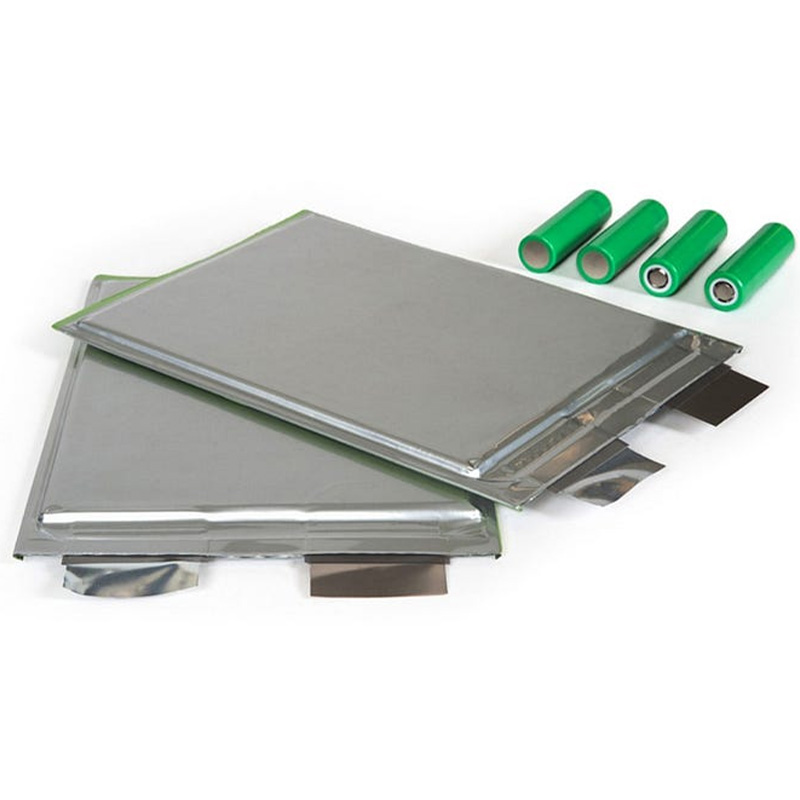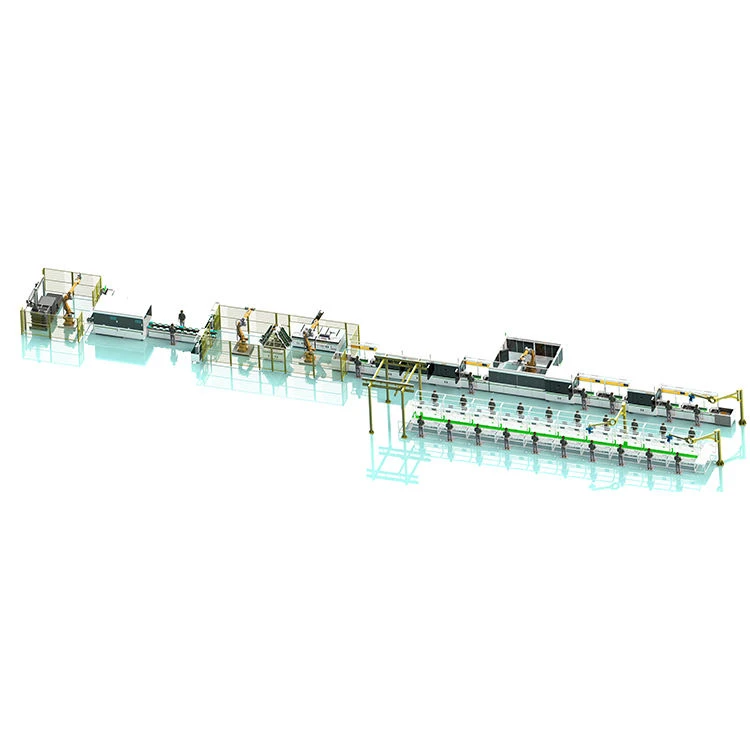
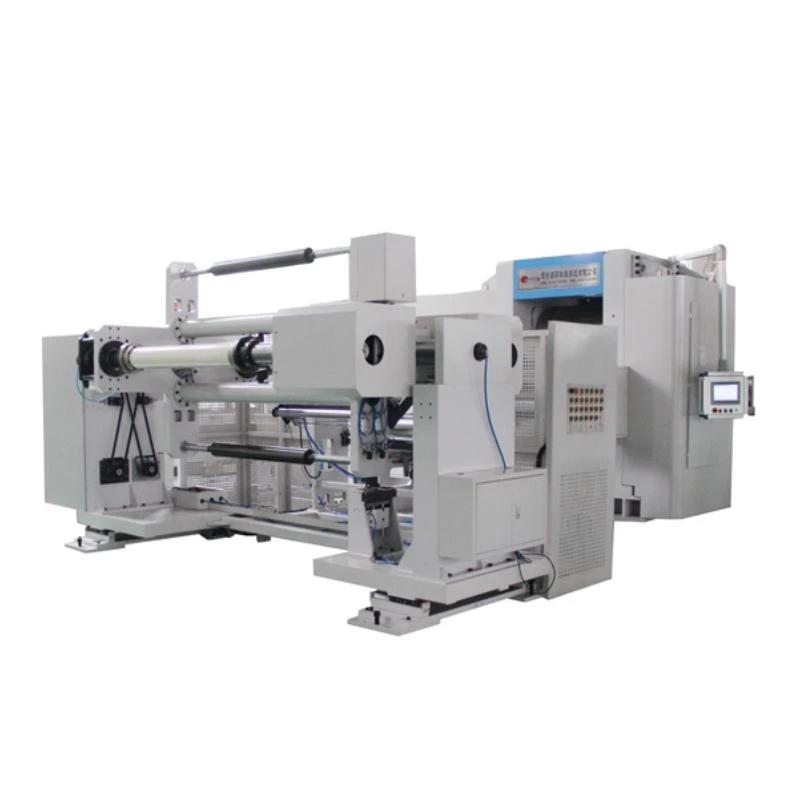

Advanced lithium ion battery assembly line Solutions for Japan's Industry

Precision engineering and automated battery manufacturing systems tailored for the Japanese market's stringent quality standards.

Advanced lithium ion battery assembly line Solutions for Japan's Industry

Integrating high-precision automation with scalable energy storage manufacturing to empower Japan's next-generation EV and industrial power infrastructure.

The Landscape of Battery Manufacturing in Japan

Analyzing the synergy between traditional craftsmanship and high-tech automation.

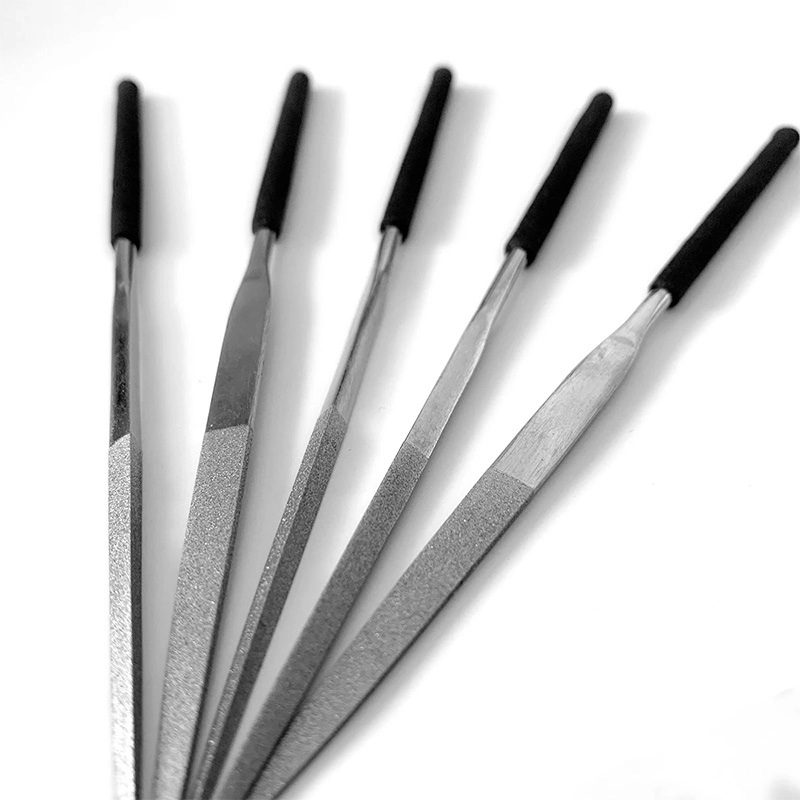
Japan's manufacturing sector is characterized by an unwavering commitment to "Monozukuri" (the art of making things). In the lithium battery sector, this manifests as a demand for extreme precision, where components like steel files are still valued for meticulous manual finishing and calibration in R&D phases.

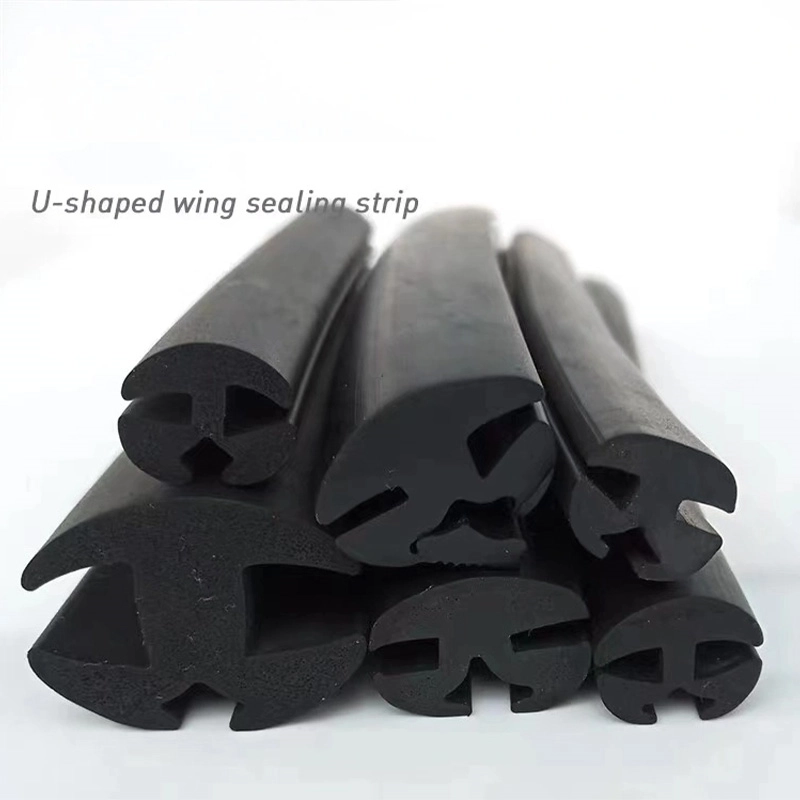
Due to Japan's varied climate—ranging from the snowy north to humid subtropical south—there is a critical need for high-performance rubber seal strip integration in battery enclosures to prevent moisture ingress and ensure thermal stability across different prefectures.

Economically, Japan is pivoting toward a carbon-neutral society by 2050. This transition has accelerated the deployment of automated assembly lines, moving away from labor-intensive processes to AI-driven quality control to mitigate the challenges of an aging workforce.
Technological Evolution and Growth Trajectory

From manual cell assembly to fully autonomous Gigafactories.

Market Development History

In the early 2000s, Japanese battery production focused on consumer electronics, relying on semi-automated lines with significant human oversight for quality assurance and precise mechanical adjustments.

Between 2010 and 2020, the shift toward Electric Vehicles (EVs) necessitated a transition to high-speed, large-scale assembly. This era saw the introduction of robotic welding and automated electrolyte filling, reducing cycle times by over 40%.

From 2021 onwards, the focus has shifted to "Smart Manufacturing," incorporating IoT and digital twins to monitor the health of the assembly line in real-time, ensuring zero-defect production for automotive grade cells.

Future Development Trends

Solid-State Transition

The industry is moving toward solid-state electrolytes, requiring a complete overhaul of the assembly line to handle new material deposition and pressure-sintering processes.

Circular Economy Integration

Future lines will integrate "Design for Disassembly," using sustainable packaging such as jute bags for raw material transport to reduce plastic waste in the supply chain.

AI-Driven Predictive Maintenance

Implementing machine learning to predict wear and tear on mechanical components, reducing unplanned downtime in high-throughput Japanese factories.

Industry Outlook and Strategic Forecast

Navigating the next 5 years of energy storage evolution.


Hyper-Automation
Transitioning to "Lights-Out" manufacturing where AI manages the entire battery assembly flow.

Material Diversification
Integrating silicon anodes and cobalt-free cathodes to reduce dependency on rare earth minerals.

Energy Density Leap
Optimizing cell stacking precision to push energy density beyond current Li-ion limits.

Sustainable Scaling
Reducing the carbon footprint of the manufacturing process itself via green energy.

Industry Outlook

Based on Google search trends in the Asia-Pacific region, there is a surge in interest regarding "battery recycling automation." Japan is expected to lead in creating closed-loop systems where old cells are processed by the same precision machinery that built them.

The synergy between industrial equipment and consumer needs is also evolving; for instance, the precision required for battery lines is now influencing other niches, such as high-end pet snacks production lines where automated dosing and sealing are paramount.

Localized Application Scenarios in Japan

Practical deployments of our battery manufacturing solutions across various Japanese sectors.

01. Tokyo Metropolitan EV Hubs

Deployment of compact, high-efficiency assembly lines in urban warehouses to provide just-in-time battery modules for city-centric electric micro-mobility projects.

02. Osaka Industrial Power Storage

Large-scale production of stationary energy storage systems (ESS) for grid stabilization, utilizing advanced sealing and vibration-resistant mounting.

03. Nagoya Automotive Gigafactories

Integration of high-speed robotic arms and AI visual inspection for automotive-grade lithium cells, ensuring the "zero defect" requirement of Japanese OEMs.

04. Hokkaido Cold-Climate Battery Testing

Specialized lines producing batteries with enhanced thermal management and reinforced casing for reliability in extreme sub-zero environments.

05. Kyushu Semiconductor-Battery Synergy

Co-locating battery assembly with semiconductor fabrication to implement advanced Battery Management Systems (BMS) directly onto the cell architecture.

Brand Story

Global Development History of Xingtai Shuoding Trade Co., Ltd.

Foundation and Vision

Started with a mission to bridge the gap between industrial raw materials and high-end manufacturing needs, focusing on reliability and precision.

Technological Pivot

Expanded from general trade to specializing in the complex machinery required for the lithium-ion battery sector to solve production bottlenecks.

Global Expansion

Established strategic partnerships across Asia, bringing cost-effective yet high-standard assembly solutions to the Japanese market.

Quality Certification

Achieved international standards in precision engineering, ensuring our equipment meets the most rigorous industrial audits worldwide.

Future Sustainability

Committing to the "Green Factory" initiative, developing machinery that reduces energy consumption during the battery assembly process.

Comprehensive Product Portfolio for Japan

From heavy machinery to precision consumables, providing a one-stop shop for battery manufacturers.

Common Questions for the Japanese Market

Expert answers to technical and logistical queries.

How do you ensure the lithium ion battery assembly line meets JIS standards?

We implement rigorous quality control protocols and use calibrated sensors that align with Japanese Industrial Standards (JIS) for precision and safety.

What is the lead time for shipping equipment to Japan?

Depending on the customization level, lead times typically range from 8 to 14 weeks, including customs clearance and local logistics.

Can you provide custom-sized rubber seal strip for battery casings?

Yes, we offer bespoke extrusion services to create seals that fit specific enclosure designs, ensuring IP67 or higher waterproof ratings.

Do you offer on-site installation and training in Japan?

We provide a comprehensive installation package including on-site engineering support and training for local technicians to ensure smooth operation.

Are the packaging materials like jute bags sustainable?

Yes, our jute bags are 100% biodegradable and designed to replace single-use plastics in the transport of raw mineral powders.

Do you support small-batch R&D orders for steel files?

Absolutely. We support Japanese research labs with small-batch, high-precision tools tailored for prototype development.

Partner With Us Today

Ready to elevate your battery manufacturing capabilities? Our experts are available to provide tailored consultations for your facility in Japan.

Contact Us Now

If you are interested in our products, you can choose to leave your information here, and we will be in touch with you shortly.