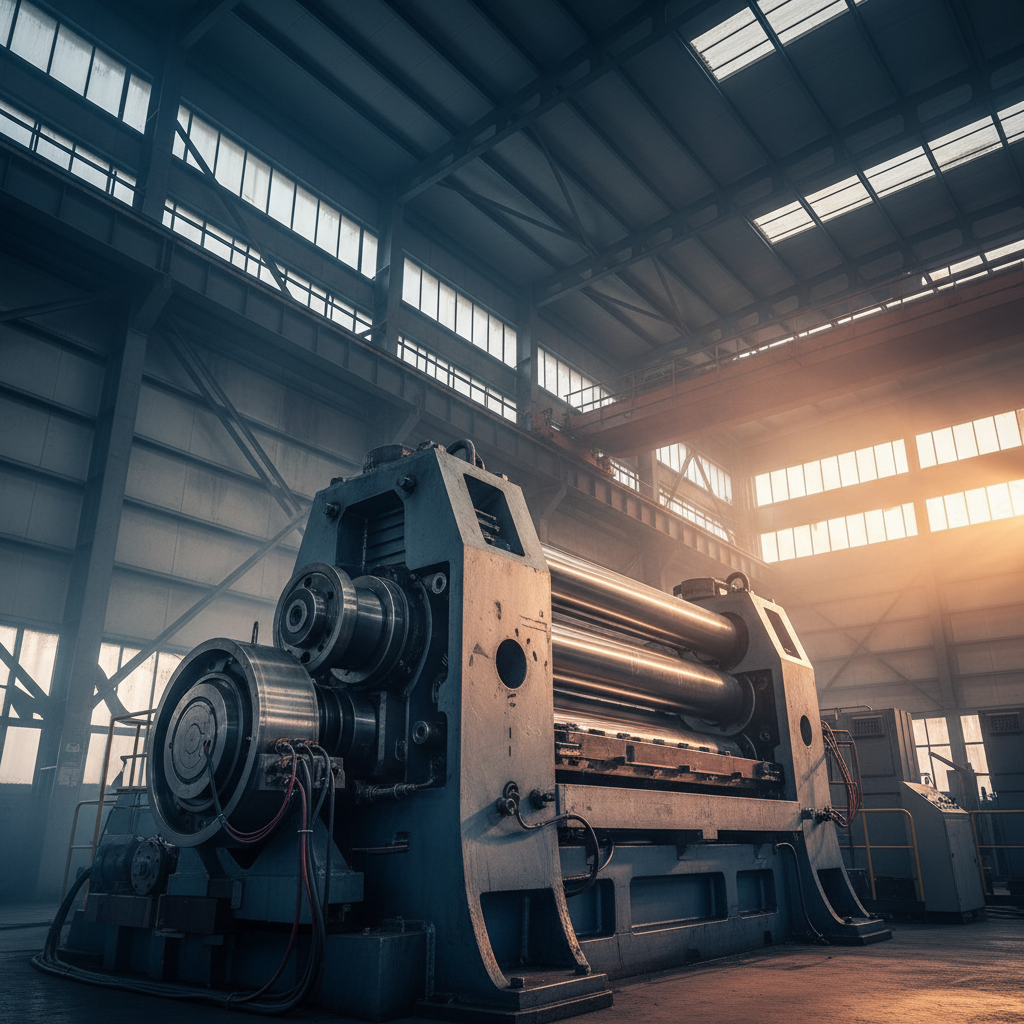
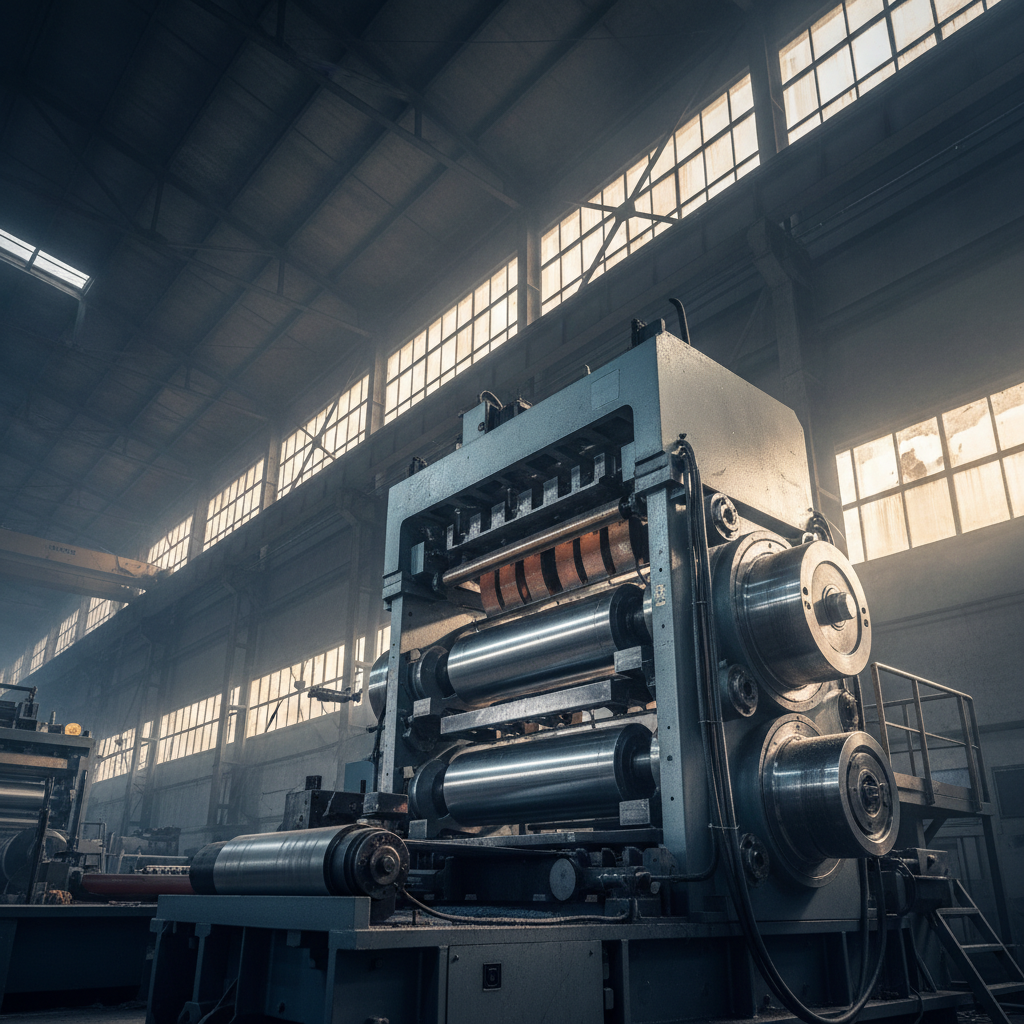
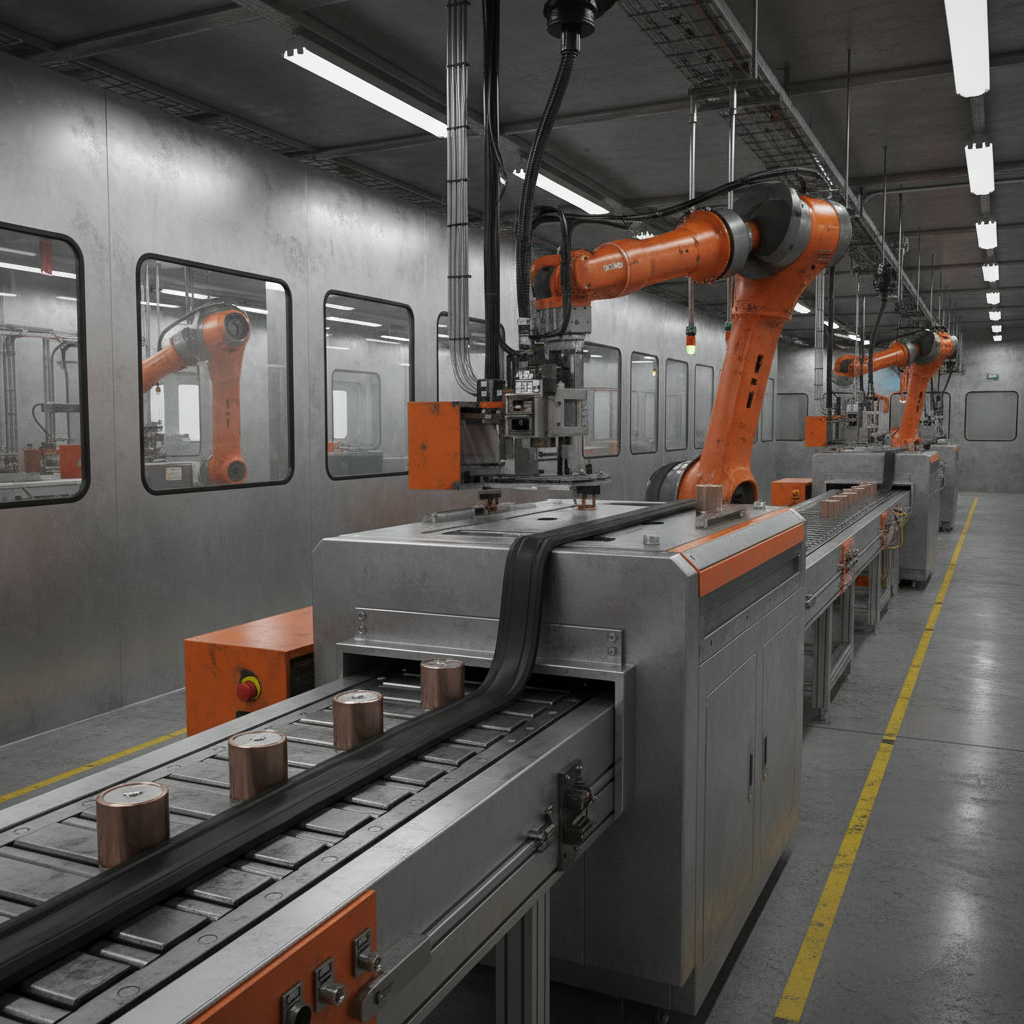
The global demand for high-performance cylindrical batteries is rapidly increasing, driven by the electric vehicle (EV) revolution, the growth of energy storage systems, and the expanding market for portable electronics. Central to the efficient production of these batteries is the rolling press machine for cylindrical battery production, a critical piece of equipment that impacts electrode density, cell performance, and ultimately, the overall viability of battery manufacturing. Understanding its intricacies is no longer just for engineers; it’s vital for investors, policymakers, and anyone interested in the future of sustainable energy.
The efficiency and precision of a rolling press machine for cylindrical battery production directly correlate to the battery's energy density, lifespan, and safety. Poorly calibrated or maintained equipment can lead to defects, reduced capacity, and even potential safety hazards. As battery technology continues to evolve towards higher energy densities and faster charging capabilities, the role of advanced rolling press technology becomes increasingly crucial.
Investing in understanding and optimizing the rolling press machine for cylindrical battery production process is essential for manufacturers aiming to remain competitive in this dynamic market. Improved production yields, reduced material waste, and enhanced battery quality all contribute to a stronger bottom line and a more sustainable future.
Introduction to rolling press machine for cylindrical battery production
A rolling press machine for cylindrical battery production is a specialized piece of equipment used in the manufacturing of lithium-ion batteries, specifically those with a cylindrical cell format. Its primary function is to compress the electrode materials (cathode and anode) onto a current collector foil, creating a cohesive and consistently dense electrode. This compression process is pivotal for achieving optimal battery performance characteristics.
The quality of this compression directly impacts the energy density, cycle life, and internal resistance of the finished battery. Advanced rolling press machines incorporate precise control systems for force, speed, and temperature, ensuring uniformity and minimizing defects. The process is a critical step within the overall battery manufacturing workflow.
Global Relevance and Industry Context
The demand for cylindrical batteries is exploding globally, fuelled primarily by the electric vehicle (EV) market. According to a report by the International Energy Agency (IEA), EV sales reached over 10 million units in 2022, representing a significant increase in demand for battery technologies. This surge in demand is driving substantial investment in battery manufacturing capacity worldwide, with Asia leading the charge, followed by North America and Europe.
Furthermore, the growth of energy storage systems (ESS) for renewable energy integration is creating additional demand for cylindrical cells. The World Bank estimates that global investment in energy storage will need to reach trillions of dollars by 2050 to meet climate goals. A reliable and efficient supply chain, facilitated by advanced equipment like the rolling press machine for cylindrical battery production, is therefore essential for achieving these ambitious targets.
The challenge lies in scaling up production while maintaining consistent quality and reducing manufacturing costs. This is where innovations in rolling press technology play a critical role, enabling manufacturers to meet the escalating demand and stay competitive in a rapidly evolving market.
Defining rolling press machine for cylindrical battery production
A rolling press machine for cylindrical battery production, at its core, is designed to flatten and compress electrode materials – typically a mixture of active materials, conductive additives, and binders – onto a metallic foil (aluminum for the cathode, copper for the anode). This process increases the energy density of the electrode, reducing internal resistance and improving overall battery performance.
It’s not simply a matter of applying pressure; sophisticated machines feature precise control over roll gap, speed, temperature, and force distribution. This control ensures uniform density across the electrode surface, minimizing defects and maximizing capacity. The process fundamentally prepares the electrode for subsequent cell assembly.
The rolling press machine for cylindrical battery production connects directly to the broader goals of modern industry and humanitarian needs. Efficient energy storage enables the widespread adoption of renewable energy, combats climate change, and powers a more sustainable future. Furthermore, reliable battery technology is essential for providing access to electricity in remote areas and powering critical infrastructure in disaster relief efforts.
Key Factors in rolling press machine for cylindrical battery production
Several key factors contribute to the effectiveness and efficiency of a rolling press machine for cylindrical battery production. Firstly, Precision Control is paramount. Accurate regulation of roll gap, pressure, and speed ensures consistent electrode density and minimizes variations in battery performance.
Secondly, Durability is crucial. The machine must withstand continuous operation and maintain its accuracy over extended periods. Robust construction and high-quality components are essential for minimizing downtime and maintenance costs.
Rolling Press Machine for Cylindrical Battery Production - Performance Metrics
Applications of rolling press machine for cylindrical battery production
The primary application of a rolling press machine for cylindrical battery production lies in the mass manufacturing of lithium-ion batteries for a multitude of industries. This includes electric vehicles (EVs), where cylindrical cells, like those produced by Panasonic and LG Chem, are widely used. The automotive industry demands high-volume, consistent quality, making automated rolling press lines critical.
Beyond EVs, these machines are essential in the production of batteries for power tools, laptops, smartphones, and other consumer electronics. The energy storage sector also heavily relies on rolling press technology for creating batteries used in residential and grid-scale energy storage systems. In post-disaster relief operations, robust battery storage, facilitated by efficient production processes, powers essential communication and medical equipment.
Advantages and Long-Term Value
Investing in high-quality rolling press machine for cylindrical battery production offers substantial long-term benefits. Reduced material waste through precise compression translates to significant cost savings. Enhanced battery performance – higher energy density, longer cycle life – leads to increased customer satisfaction and brand loyalty. These represent tangible improvements to the production process.
Furthermore, the use of advanced rolling press technology aligns with sustainability goals. Optimizing electrode density and reducing defects minimize the environmental impact of battery manufacturing. The reliability and durability of these machines contribute to a more stable and trustworthy supply chain, fostering confidence in the battery industry.
Future Trends and Innovations
The future of rolling press machine for cylindrical battery production is intertwined with advancements in battery materials and cell designs. Solid-state batteries, with their potential for higher energy density and improved safety, will require even more precise and sophisticated rolling press technologies. Digitalization and automation are also key trends, with data analytics and machine learning being used to optimize process parameters in real-time.
Integration with artificial intelligence (AI) for predictive maintenance and defect detection will further enhance efficiency and reduce downtime. The development of more sustainable materials and manufacturing processes is also gaining momentum, driving innovation in rolling press design and operation. Furthermore, the industry is moving towards more flexible and modular rolling press systems to accommodate the production of different battery formats and chemistries.
The adoption of Industry 4.0 principles, including the Industrial Internet of Things (IIoT), will enable seamless integration of rolling press machines into a broader digital ecosystem, facilitating real-time monitoring, remote diagnostics, and optimized production workflows.
FAQS
The lifespan of a rolling press machine for cylindrical battery production typically ranges from 8 to 15 years, depending on factors like usage intensity, maintenance practices, and the quality of components. Regular preventative maintenance, including lubrication, component inspection, and software updates, is crucial for maximizing lifespan and minimizing downtime. High-quality machines built with durable materials generally have a longer operational life.
The cost of a rolling press machine for cylindrical battery production can vary significantly based on its capacity, level of automation, precision, and features. Prices can range from $200,000 for a basic manual machine to over $1 million for a fully automated, high-precision system. Installation, training, and ongoing maintenance costs should also be factored into the total cost of ownership.
Regular maintenance includes lubrication of moving parts, inspection of rollers and bearings, cleaning of the machine, and calibration of sensors. Software updates are also important for optimal performance and security. Preventative maintenance schedules should be followed diligently to identify and address potential issues before they lead to breakdowns. Detailed maintenance manuals are typically provided by the manufacturer.
Rolling press machines offer a range of automation levels, from manual operation to fully automated systems. Automated machines can automatically adjust roll gap, pressure, and speed based on pre-programmed parameters. They often include features like automatic defect detection and self-correction, minimizing human intervention and improving consistency. Fully automated systems are ideal for high-volume production environments.
Safety features are critical. Look for emergency stop buttons, safety guards to prevent contact with moving parts, and interlock systems that halt operation if guards are removed. The machine should also comply with relevant safety standards, such as ISO 13849-1. Proper operator training on safety procedures is equally important.
The rolling press machine directly impacts battery energy density by controlling the compaction of the electrode material. Greater compaction generally leads to higher energy density, as more active material can be packed into a given volume. Precise control over pressure and uniformity is crucial for maximizing energy density without compromising battery safety or cycle life. Inadequate compression can lead to lower energy density and reduced performance.
Conclusion
In conclusion, the rolling press machine for cylindrical battery production is a pivotal component in the global battery manufacturing landscape. Its precise control over electrode density directly impacts battery performance, cost, and sustainability. As demand for high-performance batteries continues to surge, driven by the EV revolution and the growth of energy storage systems, optimizing rolling press technology is becoming increasingly critical.
Looking ahead, continued innovation in this field will focus on automation, digitalization, and the integration of advanced materials. Investing in cutting-edge rolling press solutions is not just about improving production efficiency; it’s about shaping a more sustainable and energy-secure future. For those seeking to enhance their battery manufacturing capabilities, exploring the latest advancements in rolling press technology is a crucial step. Visit our website: www.xtshuoding.com.