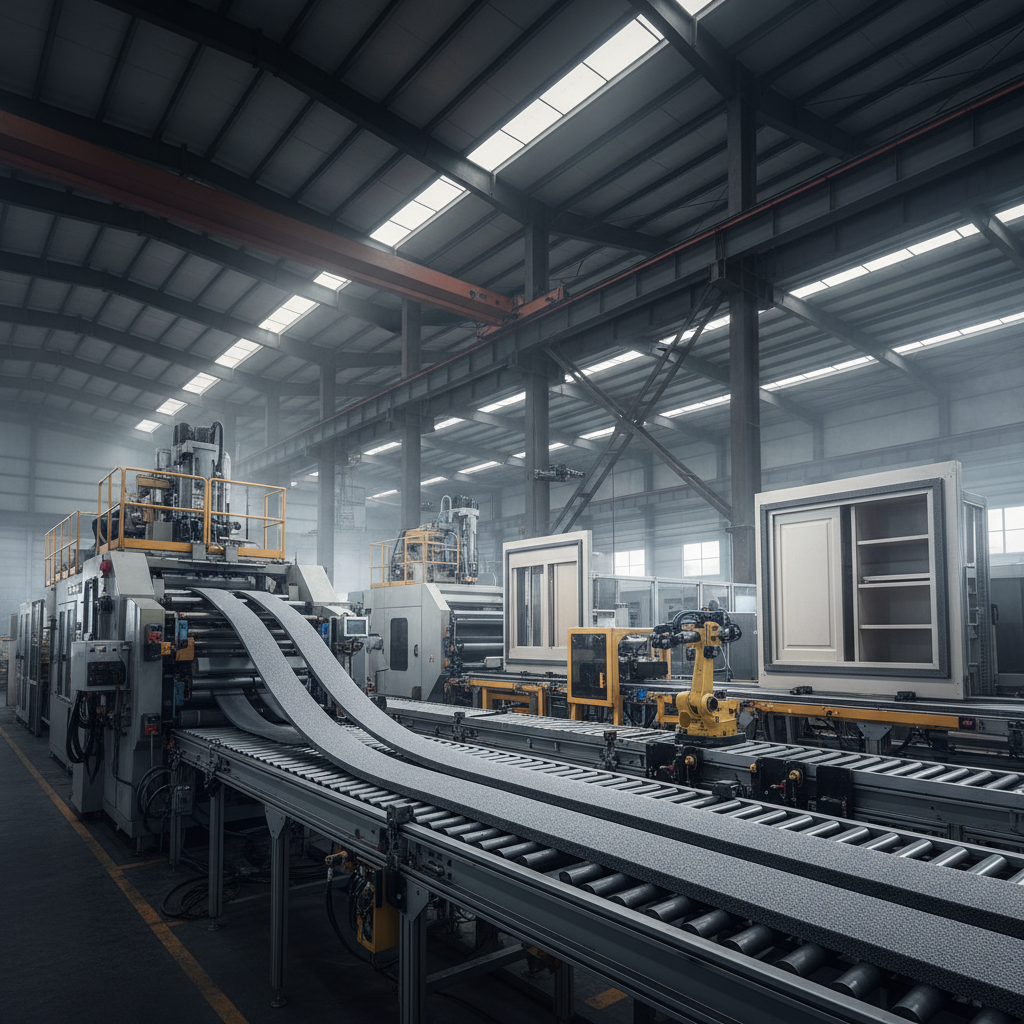
In the high-precision world of lithium-ion battery manufacturing, the integrity of the enclosure is paramount. The hollow semi-circular sealing strip serves as a critical barrier, ensuring that sensitive battery cells are protected from moisture, dust, and external contaminants that could lead to catastrophic failure or reduced efficiency.
Globally, as the transition to electric vehicles (EVs) and renewable energy storage systems (ESS) accelerates, the demand for specialized sealing solutions has surged. A high-quality hollow semi-circular sealing strip is not merely a rubber component; it is an engineered solution designed to handle thermal expansion, vibration, and chemical exposure inherent in energy storage environments.
Understanding the nuances of these sealing components allows engineers to enhance the lifespan of battery packs and ensure compliance with rigorous international safety standards. By optimizing the geometry and material science of the hollow semi-circular sealing strip, manufacturers can achieve a perfect balance between compression force and sealing reliability.
Global Industrial Context of Hollow Semi-Circular Sealing Strips
The global push toward carbon neutrality has placed the lithium battery industry under a microscope. With ISO standards demanding higher safety ratings for energy storage, the role of the hollow semi-circular sealing strip has evolved from a simple gasket to a critical safety component. In an era where battery packs must withstand extreme temperatures and oceanic humidity during export, the sealing mechanism is the first line of defense.
Industry data suggests that a significant percentage of early-stage battery failures are linked to moisture ingress. This challenge has forced manufacturers to move away from solid seals toward the hollow semi-circular design, which allows for better compression recovery and adaptive sealing across varying tolerances in the chassis.
Defining the Hollow Semi-Circular Sealing Strip
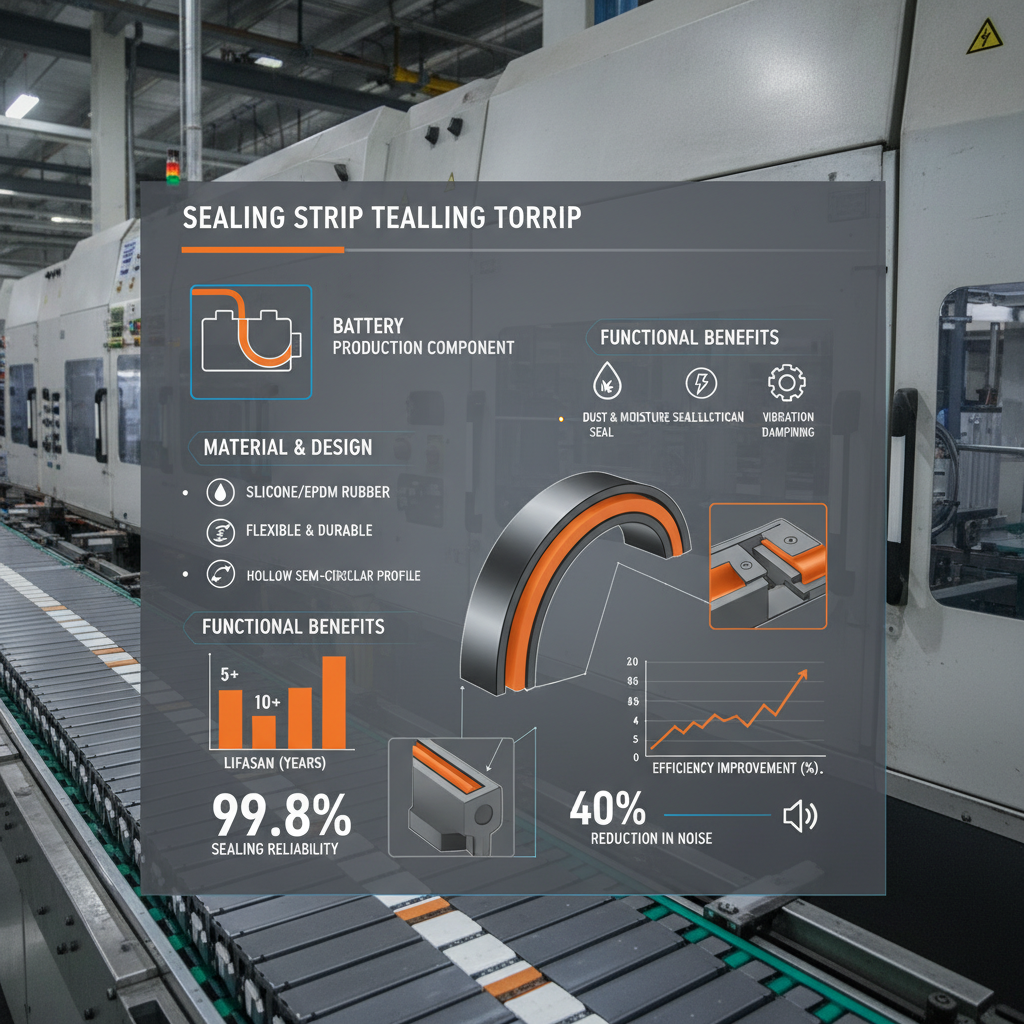
A hollow semi-circular sealing strip is a precision-engineered elastomeric profile characterized by a curved outer surface and a hollow internal core. This specific geometry is designed to provide a "spring-like" effect, allowing the seal to deform under pressure to fill gaps perfectly while maintaining enough internal tension to return to its original shape once the load is removed.
In the context of battery manufacturing, this component is typically installed at the intersection of the battery cover and the main housing. Unlike flat seals, the semi-circular profile ensures a concentrated contact point, which increases the sealing pressure at the interface, effectively blocking the penetration of gases and liquids.
Modern industry relies on these strips to bridge the gap between rigid metal housings and the need for airtight flexibility. By utilizing advanced polymers like EPDM or Silicone, the hollow semi-circular sealing strip meets the humanitarian need for safe, reliable energy storage in diverse climates, from arctic regions to tropical industrial zones.
Core Technical Factors for Sealing Performance
Durability is the primary metric for any hollow semi-circular sealing strip. Because lithium batteries undergo thermal cycling—expanding and contracting during charge and discharge cycles—the seal must resist permanent deformation (compression set) to ensure that the seal remains airtight over a decade of service life.
Material Scalability is equally important. Depending on the application—whether it is a small consumer electronic battery or a massive industrial energy storage system—the hollow semi-circular sealing strip must be available in varying shore hardnesses. This ensures that the force required to compress the seal does not exceed the structural limits of the housing.
Cost Efficiency is achieved through the "hollow" nature of the design. By reducing the volume of raw material used without sacrificing the sealing footprint, manufacturers can lower the unit cost of the hollow semi-circular sealing strip while actually improving its functional performance compared to solid rubber strips.
Practical Applications in Battery Energy Storage
The application of the hollow semi-circular sealing strip is most evident in the assembly of Battery Energy Storage Systems (BESS). In these large-scale installations, containers are often placed in remote industrial zones where they are exposed to salt spray and extreme dust. The semi-circular profile provides an airtight lock that prevents the corrosive atmosphere from reaching the electrical terminals.
Beyond industrial storage, these seals are integral to EV battery packs. In the event of a vehicle collision or heavy vibration, the hollow core of the sealing strip acts as a micro-shock absorber, maintaining the seal's integrity even when the outer chassis undergoes slight twisting or warping.
Performance Comparison of Sealing Profiles
Long-Term Value and Reliability Benefits
The long-term value of investing in a high-grade hollow semi-circular sealing strip lies in the drastic reduction of maintenance overhead. For energy storage providers, the cost of replacing a failed seal in a deployed system far exceeds the initial cost of the component. Reliability in this context translates directly to safety and trust for the end-user.
From a sustainability perspective, these seals extend the operational life of lithium batteries by preventing premature degradation caused by humidity. By ensuring a stable internal environment, the hollow semi-circular sealing strip contributes to a circular economy, reducing the frequency of battery disposal and the need for raw material extraction.
Future Trends in Sealing Material Science
The future of the hollow semi-circular sealing strip is trending toward "smart materials." We are seeing the emergence of conductive elastomers that can not only seal a battery pack but also sense pressure changes or leakages, sending a signal to the Battery Management System (BMS) before a failure occurs.
Digital transformation is also impacting production. Automated 3D extrusion and laser-cutting are allowing for more complex, customized hollow semi-circular sealing strip geometries that can fit perfectly into the increasingly compact designs of next-generation solid-state batteries.
Furthermore, the industry is shifting toward bio-based polymers to reduce the carbon footprint of rubber production. The next generation of sealing strips will likely combine high-performance sealing capabilities with complete biodegradability or 100% recyclability, aligning with global green energy policies.
Overcoming Common Sealing Implementation Challenges
One of the most common challenges is "installation creep," where the hollow semi-circular sealing strip is slightly displaced during the assembly process, leading to a weak point in the seal. To overcome this, manufacturers are implementing precision guide channels in the housing to lock the strip in place.
Another hurdle is the variation in clamping force across large surfaces. If the bolts tightening the battery cover are not torqued evenly, the hollow semi-circular sealing strip may be over-compressed in some areas and under-compressed in others. The solution lies in the use of calibrated electronic torque wrenches and the optimization of the strip's shore hardness to allow for a wider "effective sealing window."
Finally, chemical compatibility with battery electrolytes can be an issue. If a leak occurs internally, the seal must not degrade upon contact with electrolytes. Expert insights suggest transitioning to fluorocarbon-based materials for the hollow semi-circular sealing strip in high-risk environments to ensure total chemical inertia.
Analysis of Sealing Strip Material Performance and Application
| Material Type |
Compression Recovery |
Thermal Range |
Primary Use Case |
| EPDM Rubber |
High (9/10) |
-40°C to 120°C |
Outdoor ESS Enclosures |
| Silicone |
Very High (10/10) |
-60°C to 200°C |
High-Temp Battery Modules |
| Nitrile (NBR) |
Medium (7/10) |
-30°C to 100°C |
Oil-Exposed Battery Areas |
| Fluorocarbon (FKM) |
High (8/10) |
-20°C to 250°C |
Chemical-Heavy Environments |
| TPE Plastic |
Medium (6/10) |
-40°C to 80°C |
Low-Cost Consumer Packs |
| Hybrid Polymer |
High (9/10) |
-50°C to 150°C |
Premium EV Battery Packs |
FAQS
The hollow core allows for significantly lower compression force while maintaining a high sealing pressure. This means the strip can adapt to irregular surfaces and maintain its elasticity over a longer period, whereas solid seals often suffer from permanent deformation (compression set), which leads to leaks over time.
Depending on the material, a high-quality hollow semi-circular sealing strip can last between 10 to 20 years. EPDM and Silicone variants are particularly resistant to UV radiation and ozone, making them ideal for outdoor battery storage systems exposed to the elements.
Yes, they are generally compatible with aluminum, steel, and high-strength plastics. However, the shore hardness of the hollow semi-circular sealing strip should be selected based on the rigidity of the housing to avoid over-compression or insufficient sealing force.
Absolutely. Most industrial suppliers offer custom extrusion profiles. You can specify the outer diameter, the thickness of the wall, and the inner hollow diameter to ensure the strip fits your specific battery chassis tolerances perfectly.
The best approach is to integrate a groove or "locking channel" into the housing design. Additionally, using a small amount of compatible adhesive or a mechanical retainer can ensure the hollow semi-circular sealing strip remains centered during the mating of the cover and the base.
By extending the life of expensive battery systems and reducing waste through durable material selection, these seals contribute to sustainability. Many manufacturers are also moving toward recyclable TPEs or bio-based rubbers to further reduce the environmental impact.
Conclusion
The hollow semi-circular sealing strip is an indispensable component in the modern battery manufacturing ecosystem. By combining geometric efficiency with advanced material science, it provides the critical protection necessary for lithium-ion systems to operate safely and efficiently in the most demanding global environments. From reducing maintenance costs to enhancing overall safety and sustainability, the impact of this small component is immense.
As we move toward a future of solid-state batteries and smarter energy grids, the evolution of sealing technology will remain a cornerstone of industrial innovation. We recommend that engineers prioritize material compatibility and precision installation to maximize the lifecycle of their energy storage assets. To explore high-performance sealing solutions tailored for your industry, visit our website: www.xtshuoding.com.