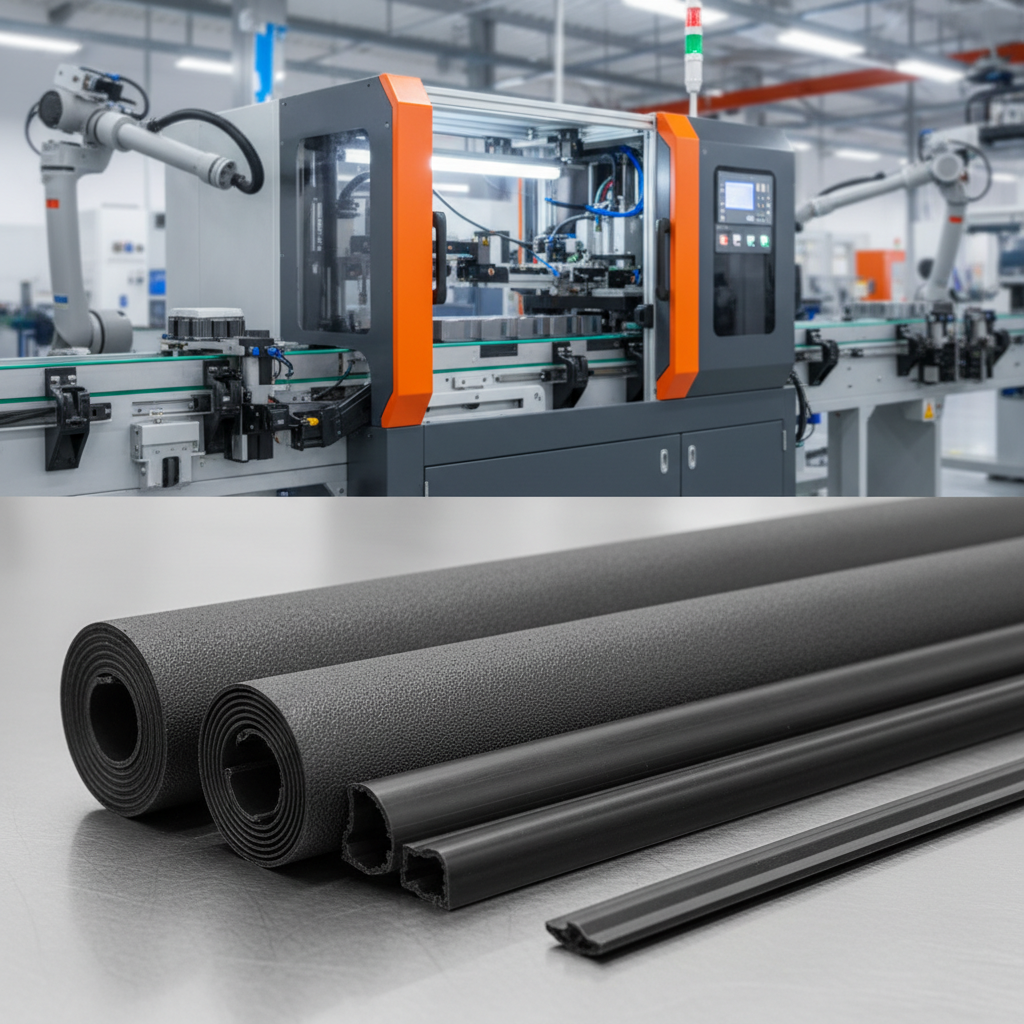
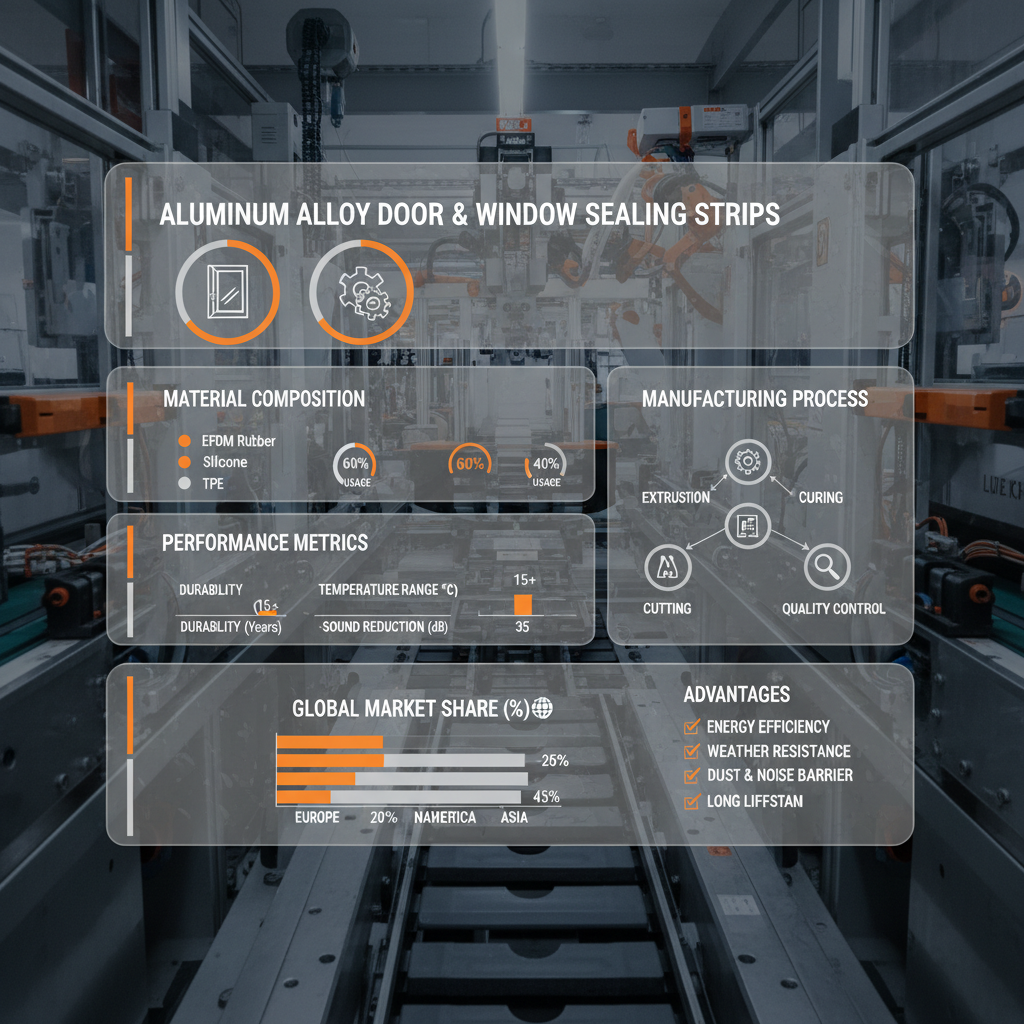
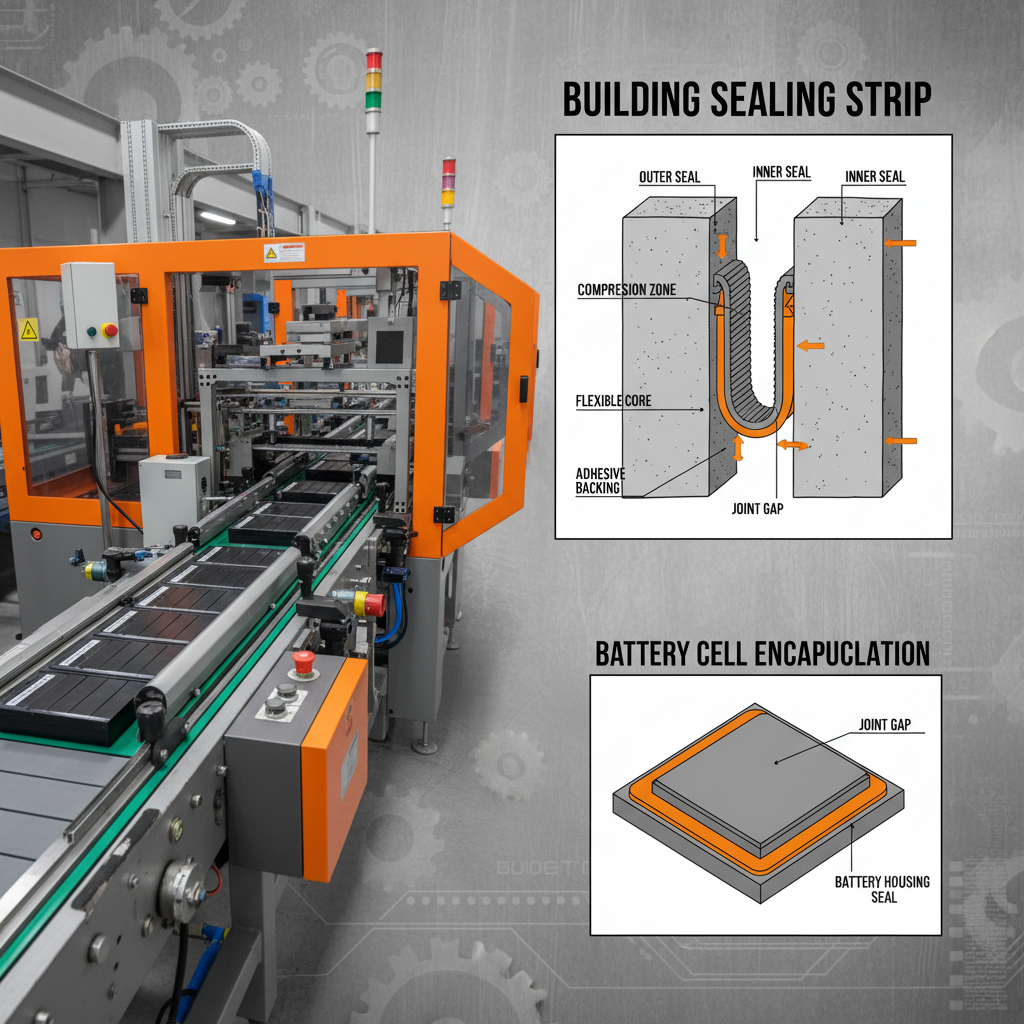
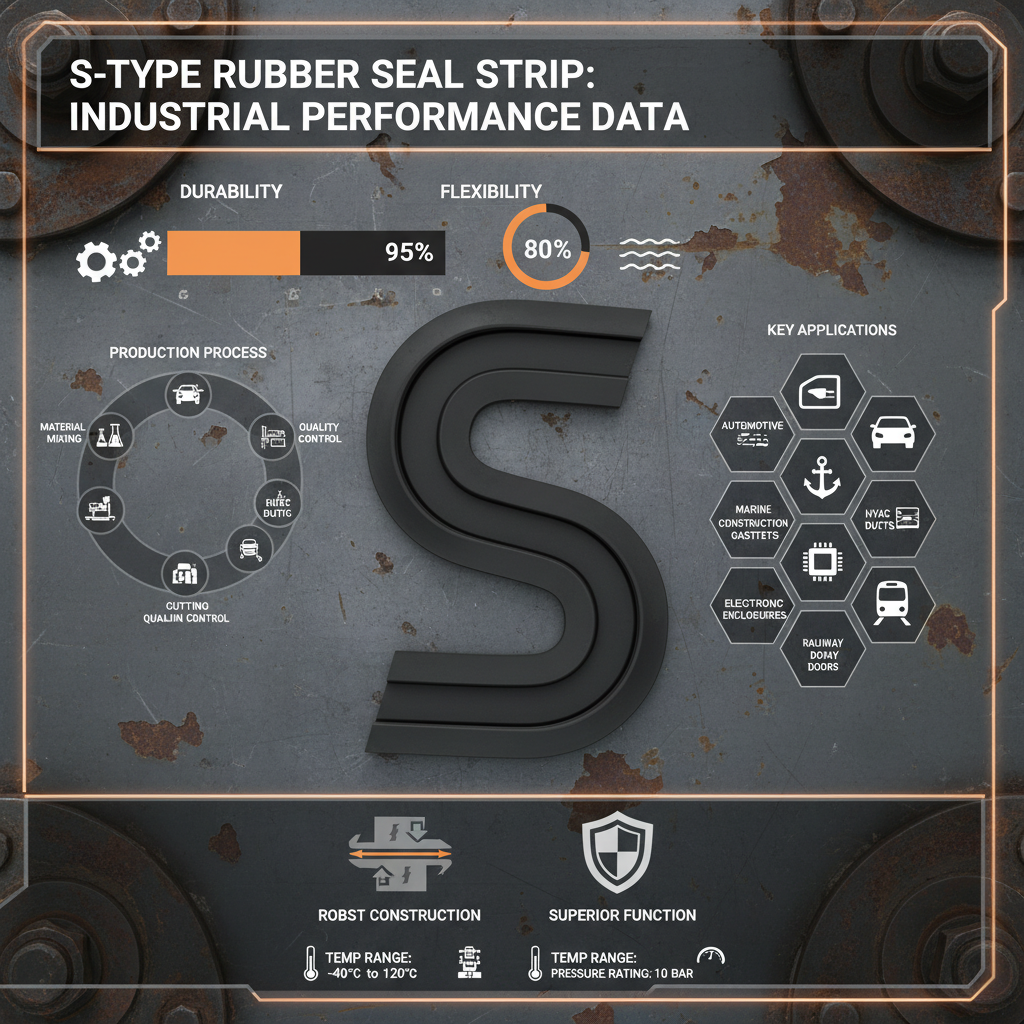
Aluminum alloy door and window sealing strips are critical components in modern construction, playing a vital role in energy efficiency, sound insulation, and weatherproofing. Their global demand is steadily increasing, driven by stricter building codes focused on sustainability and occupant comfort. These strips, often overlooked, represent a significant advancement in building technology, contributing to lower energy consumption and reduced carbon footprints worldwide.
The importance of aluminum alloy door and window sealing strips extends beyond residential buildings. They are essential in commercial structures, industrial facilities, and even transportation systems like trains and buses, where maintaining a controlled internal environment is paramount. Global economic factors, such as rising energy costs and the increasing demand for green buildings, are further fueling the growth of this industry.
Understanding the functionality, materials, and applications of these sealing strips is increasingly important for architects, engineers, contractors, and building owners. Improvements in materials science continue to drive innovation, leading to more durable, effective, and sustainable solutions for sealing gaps and preventing air and water leakage.
The Role of Aluminum Alloy Door and Window Sealing Strips
Aluminum alloy door and window sealing strips are integral to creating high-performance building envelopes. They effectively mitigate air and water infiltration, improving indoor comfort and reducing energy consumption. The use of aluminum alloy provides superior durability and resistance to environmental factors compared to traditional materials like rubber or PVC. These strips are manufactured with varying profiles and materials to suit specific applications.
Their primary function is to fill the gaps between the window or door frame and the moving sash, preventing drafts, moisture intrusion, and noise transmission. Modern aluminum alloy sealing strips often incorporate features like flexible fins, silicone cores, and UV stabilizers to enhance their performance and longevity.
Defining Aluminum Alloy Sealing Technology
Aluminum alloy sealing technology relies on the properties of aluminum alloys – lightweight, strong, corrosion-resistant, and easily extrudable. These alloys are often combined with elastomers (like EPDM rubber) or thermoplastic materials to create a composite sealing strip. The aluminum alloy provides structural support and weather resistance, while the elastomer ensures a tight, flexible seal.
This technology has evolved significantly over the years, with advancements in alloy compositions and manufacturing processes. Current strips utilize specialized alloys that offer enhanced resistance to oxidation, UV degradation, and temperature fluctuations. The precision extrusion process ensures consistent dimensions and quality.
The connection of this technology to modern industry extends to the demand for sustainable building practices. High-performance sealing strips are directly tied to reducing energy waste and achieving LEED (Leadership in Energy and Environmental Design) certification, fulfilling vital humanitarian needs for resource conservation and efficient living.
Core Properties of Effective Sealing Strips
Durability is a cornerstone of effective aluminum alloy door and window sealing strips. These strips must withstand constant exposure to weather elements, temperature changes, and mechanical stress without degrading or losing their sealing properties. The choice of aluminum alloy and elastomer significantly impacts durability.
Flexibility is crucial for accommodating movement and expansion/contraction of the building materials due to temperature fluctuations. A flexible sealing strip maintains a consistent seal even when the frame or sash experiences slight shifts. This flexibility is achieved through the proper selection of elastomer materials and strip design.
Weather resistance is essential to prevent degradation from UV radiation, moisture, and extreme temperatures. Aluminum alloys with protective coatings and UV-stabilized elastomers ensure long-term performance in harsh environmental conditions. Properly sealed windows and doors contribute significantly to preventing water damage and mold growth.
Performance Metrics and Quality Standards
Evaluating the performance of aluminum alloy door and window sealing strips requires considering several key metrics. Air leakage rate, measured in cubic feet per minute per linear foot (CFM/ft), indicates the effectiveness of the seal in preventing air infiltration. Water penetration resistance, tested under simulated rainfall conditions, determines the strip’s ability to keep moisture out.
Sound transmission class (STC) ratings measure the strip’s contribution to reducing noise pollution. Durability is assessed through accelerated weathering tests, simulating years of exposure to UV radiation, temperature cycling, and humidity. Compliance with industry standards like ASTM (American Society for Testing and Materials) and ISO (International Organization for Standardization) is essential.
Performance Comparison of Aluminum Alloy Sealing Methods
Diverse Applications Across Industries
Aluminum alloy door and window sealing strips find widespread use in residential construction, commercial buildings, and industrial facilities. They are essential components of energy-efficient windows and doors, helping to reduce heating and cooling costs. In post-disaster relief operations, quick deployment shelters often utilize these strips for rapid weatherproofing.
The automotive industry utilizes specialized sealing strips for doors, windows, and trunks to minimize noise, vibration, and harshness (NVH). The transportation sector, including trains and buses, employs these strips to maintain comfortable interior environments and prevent water intrusion. Remote industrial zones benefit from the durability and reliability of these strips in challenging climates.
Benefits: Cost Savings and Sustainability
The long-term benefits of using high-quality aluminum alloy door and window sealing strips are significant. Reduced energy consumption translates to lower utility bills for building owners and occupants. Improved thermal comfort enhances productivity and well-being. The durability of these strips minimizes the need for frequent replacements, reducing maintenance costs.
Environmentally, these strips contribute to a smaller carbon footprint by reducing energy demand and promoting sustainable building practices. The use of recyclable aluminum alloys further enhances their sustainability profile. The increased safety and security offered by a well-sealed building also provide intangible benefits, fostering a sense of trust and reliability.
Ultimately, utilizing aluminum alloy door and window sealing strips isn’t simply an investment in a building component, it’s an investment in a more sustainable and comfortable future, aligning with global efforts to promote energy efficiency and environmental responsibility.
Future Trends in Aluminum Alloy Sealing
The future of aluminum alloy sealing technology is focused on innovation and sustainability. Research is underway to develop new alloy compositions with even greater durability and corrosion resistance. Smart sealing strips, incorporating sensors to detect air leakage or moisture intrusion, are emerging as a potential breakthrough.
Integration with Building Information Modeling (BIM) software will allow for more accurate sealing design and installation. The development of bio-based elastomers, derived from renewable resources, will further enhance the sustainability of these strips. Digital transformation in manufacturing processes will drive greater precision and efficiency.
Furthermore, policies promoting energy-efficient buildings and green building standards will continue to drive demand for high-performance aluminum alloy door and window sealing strips, accelerating the adoption of new technologies and materials.
Summary of Challenges and Solutions in Aluminum Alloy Door and Window Sealing Strips Implementation
| Challenge |
Impact on Performance |
Proposed Solution |
Implementation Cost (1-10) |
| Material Degradation |
Reduced sealing effectiveness over time. |
Use of UV-stabilized alloys and elastomers. |
6 |
| Improper Installation |
Air and water leakage, diminished performance. |
Training and certification programs for installers. |
4 |
| Compatibility Issues |
Incompatibility with certain frame materials. |
Careful material selection and testing. |
5 |
| High Initial Cost |
Barrier to adoption for some projects. |
Lifecycle cost analysis highlighting long-term savings. |
7 |
| Limited Customization |
Difficulty adapting to unique building designs. |
Flexible manufacturing processes and custom extrusion. |
8 |
| Lack of Awareness |
Underestimation of benefits and proper application. |
Industry education and marketing campaigns. |
3 |
FAQS
Aluminum alloy sealing strips offer superior durability, corrosion resistance, and dimensional stability compared to PVC and rubber. They withstand extreme temperatures and UV exposure without degrading, leading to a longer lifespan and reduced maintenance. Aluminum also provides a more robust structural support, ensuring a consistently tight seal. This ultimately results in lower energy bills and a more comfortable indoor environment.
Determining the correct size involves measuring the gap between the frame and the sash. The strip should compress slightly to create a tight seal. The type depends on the application - residential, commercial, or industrial – and the specific requirements for air leakage, water penetration, and sound transmission. Consulting with a sealing strip specialist or referring to manufacturer’s specifications is highly recommended.
The lifespan of aluminum alloy sealing strips typically ranges from 10 to 20 years, depending on the quality of materials, environmental conditions, and proper installation. Regular inspection and maintenance, such as cleaning and occasional re-application of sealant, can extend their lifespan. Using strips with UV stabilizers and corrosion-resistant alloys can also significantly improve their longevity.
Yes, aluminum alloy sealing strips are considered environmentally friendly due to their durability, recyclability, and contribution to energy efficiency. Reducing air leakage and heat loss lowers energy consumption, thereby reducing carbon emissions. Aluminum is a highly recyclable material, and many manufacturers utilize recycled aluminum in their production processes.
Common causes of sealing strip failure include UV degradation, extreme temperature fluctuations, improper installation, physical damage, and incompatibility with certain cleaning agents. Regular inspection can help identify early signs of wear and tear, allowing for timely replacement or repair. Addressing underlying issues like frame misalignment can also prevent premature failure.
Proper installation requires a clean and dry surface. Follow the manufacturer’s instructions carefully, ensuring the strip is correctly aligned and securely fastened. Using the appropriate adhesive or mechanical fasteners is crucial. Avoid stretching or compressing the strip excessively during installation, as this can compromise its sealing performance. Seeking professional installation is recommended for optimal results.
Conclusion
In conclusion, aluminum alloy door and window sealing strips are indispensable components in modern building design, offering a powerful combination of durability, performance, and sustainability. From reducing energy consumption and enhancing indoor comfort to protecting against weather damage and noise pollution, these strips deliver tangible benefits to building owners, occupants, and the environment. Their versatility across diverse industries underscores their crucial role in creating more efficient and resilient structures.
Looking ahead, continued innovation in materials, manufacturing processes, and smart technologies will further enhance the performance and value of these sealing solutions. Investing in high-quality aluminum alloy strips is not merely a cost-saving measure; it's a commitment to a more sustainable and comfortable future. Visit our website at www.xtshuoding.com to explore our comprehensive range of aluminum alloy door and window sealing strips and find the perfect solution for your project.