0%

Table of Contents

Plastic steel door and window sealing strip plays a crucial role in modern construction and renovation, offering a cost-effective and durable solution for improving energy efficiency, sound insulation, and weatherproofing. Globally, the demand for these strips is steadily increasing due to stricter building codes focused on sustainability and the growing awareness of the benefits of reducing energy consumption. They are integral components in creating comfortable and sustainable living and working spaces.

The impact of effective sealing solutions extends beyond individual buildings. On a broader scale, widespread adoption of high-quality plastic steel door and window sealing strip contributes to national energy savings, reduced carbon emissions, and improved indoor air quality. These factors are increasingly important as governments and organizations worldwide strive to meet climate goals and improve public health. Understanding the characteristics and applications of these strips is therefore of growing importance.

The value proposition of a well-installed plastic steel door and window sealing strip lies in its simplicity and significant impact. Unlike more complex building improvements, sealing strips offer a relatively low-cost, easy-to-implement upgrade that yields substantial long-term benefits for homeowners, businesses, and the environment. This makes it a vital component in building performance optimization.
Optimizing Building Performance with Plastic Steel Door and Window Sealing Strip

The Importance of Plastic Steel Door and Window Sealing Strip

Optimizing Building Performance with Plastic Steel Door and Window Sealing Strip

The fundamental importance of plastic steel door and window sealing strip stems from its ability to bridge gaps and create airtight seals around door and window frames. This seemingly simple function has profound implications for building performance, impacting everything from energy costs and thermal comfort to indoor air quality and structural integrity. Without effective sealing, buildings suffer energy loss and are more vulnerable to the elements.

Beyond the functional benefits, properly installed sealing strips contribute to a more sustainable built environment. By minimizing air leakage, they reduce the demand for heating and cooling, leading to lower energy consumption and a smaller carbon footprint. This aligns with global sustainability initiatives and increasingly stringent building regulations aimed at reducing environmental impact.

Global Relevance and Industry Context

The global construction industry is a major contributor to energy consumption and greenhouse gas emissions. According to the International Energy Agency (IEA), buildings account for approximately 40% of global energy-related CO2 emissions. Addressing this requires a multifaceted approach, with improved building envelopes – including effective sealing – being a critical component. The demand for plastic steel door and window sealing strip is therefore directly tied to these global sustainability efforts.

Building codes and standards worldwide are evolving to prioritize energy efficiency. Organizations like ISO (International Organization for Standardization) develop standards related to building performance and energy management. These standards often include requirements for air tightness and thermal performance, driving the demand for high-quality sealing solutions. Regions with harsh climates, such as Northern Europe and North America, have been at the forefront of adopting stricter building codes, and this trend is spreading globally.

The increasing prevalence of green building certifications, such as LEED (Leadership in Energy and Environmental Design) and BREEAM (Building Research Establishment Environmental Assessment Method), further incentivizes the use of efficient sealing solutions. These certifications recognize and reward buildings that meet specific sustainability criteria, often including airtightness performance.

Defining Plastic Steel Door and Window Sealing Strip

Plastic steel door and window sealing strip, also known as weatherstripping, is a material designed to create an airtight and watertight seal between a door or window frame and its moving parts (sash or door leaf). These strips are typically made from flexible plastics like PVC, EPDM rubber, or silicone, often reinforced with a metallic or plastic core for added stability and durability. Their purpose is to prevent air infiltration, water penetration, and dust intrusion.

The term “plastic steel” in this context refers to the combination of plastic and a reinforcing material, providing a balance of flexibility and structural strength. This allows the strips to conform to irregularities in the frame and sash while maintaining a secure seal over time. The composition of the strip is crucial for its performance, influencing its resistance to UV degradation, temperature fluctuations, and compression set.

The connection to modern industry and humanitarian needs is clear: efficient building sealing reduces energy waste, contributing to both economic savings and environmental sustainability. In disaster relief scenarios, these strips can play a vital role in quickly restoring shelter and providing thermal comfort to affected populations, particularly in temporary housing solutions.

Key Characteristics and Performance Factors

Several key characteristics determine the effectiveness of plastic steel door and window sealing strip. Durability is paramount; the strip must withstand repeated compression, temperature extremes, and exposure to UV radiation without losing its elasticity or sealing properties. Flexibility allows it to conform to irregular surfaces and maintain a tight seal even with minor frame distortions.

Weather Resistance is another crucial factor, particularly for exterior applications. The material must be resistant to degradation from rain, snow, sunlight, and ozone. Compression Set – the tendency of a material to deform permanently after being compressed – is a critical performance metric. A low compression set ensures long-term sealing effectiveness.

Plastic Steel Door and Window Sealing Strip Performance Characteristics


Applications Across Diverse Industries

Plastic steel door and window sealing strip finds application in a wide range of industries beyond residential construction. The automotive industry utilizes these strips for sealing doors, windows, and trunks, improving vehicle sound insulation and weather protection. The marine industry relies on them to seal hatches and windows on boats and ships, preventing water ingress and corrosion.

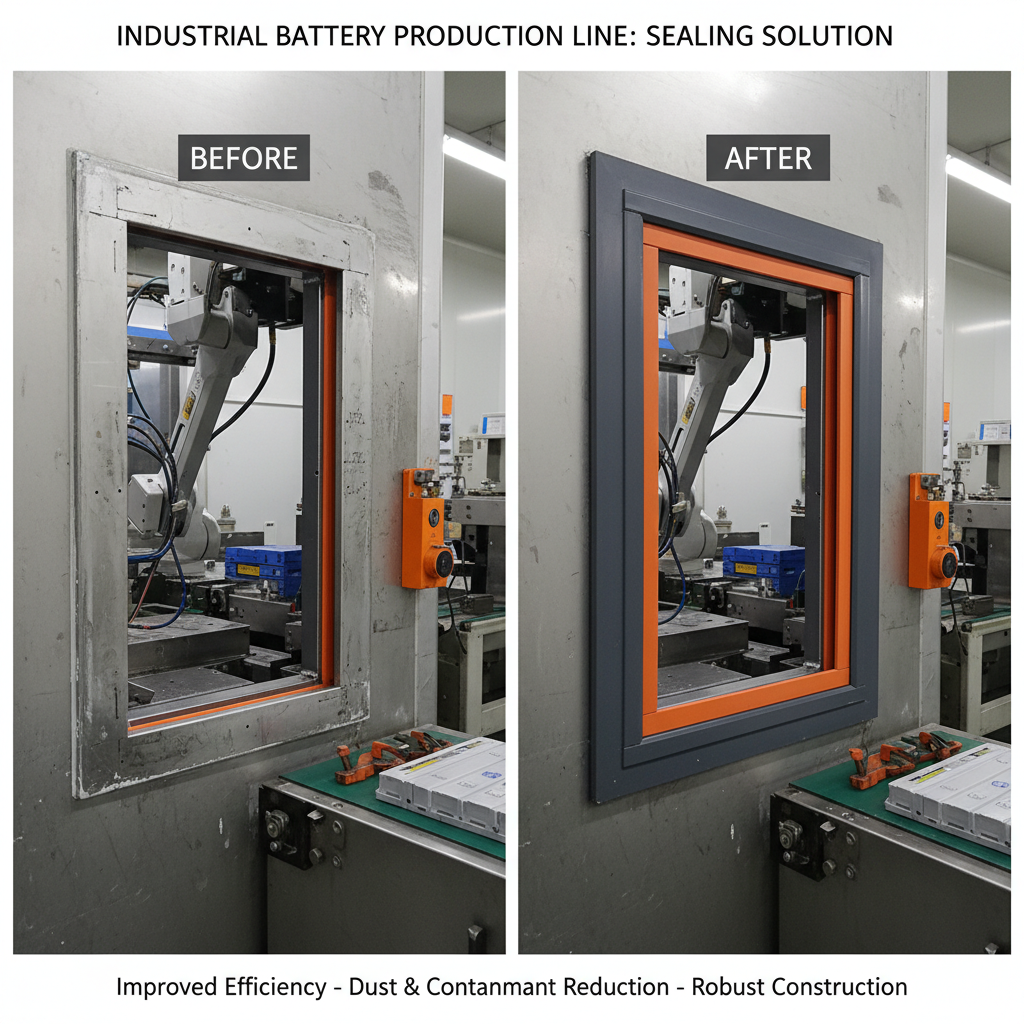
In the manufacturing sector, sealing strips are used in cleanrooms and industrial facilities to maintain controlled environments and prevent contamination. They are also essential components in refrigerated trucks and containers, ensuring efficient temperature control during transportation. In post-disaster relief operations, quickly deployable shelters often incorporate these strips to provide basic weatherproofing and thermal comfort for displaced populations.

Advantages and Long-Term Value Proposition

The advantages of using plastic steel door and window sealing strip are numerous. Tangible benefits include reduced energy consumption and lower heating/cooling costs. The improved sound insulation enhances comfort and reduces noise pollution. Furthermore, the strips protect building interiors from moisture damage, extending the lifespan of windows, doors, and surrounding structures.

The long-term value lies not only in cost savings but also in sustainability. By reducing energy demand, these strips contribute to a smaller carbon footprint and a more environmentally responsible building practice. The increased comfort and improved indoor air quality contribute to occupant well-being, enhancing the overall value of the property.

Future Trends and Technological Advancements

The future of plastic steel door and window sealing strip is likely to be shaped by several key trends. Research and development are focused on creating more sustainable materials, utilizing recycled plastics and bio-based polymers. Self-adhesive strips with enhanced adhesion properties and longer lifespans are also being developed.

Smart sealing systems, incorporating sensors and automation, are emerging as a potential innovation. These systems could automatically adjust sealing pressure based on weather conditions, optimizing energy efficiency and comfort. Digital transformation in the construction industry will also drive demand for integrated sealing solutions that can be monitored and controlled remotely.

Furthermore, advancements in nanotechnology could lead to the development of sealing strips with enhanced barrier properties, offering superior resistance to air and water infiltration. These advancements will contribute to a more sustainable and energy-efficient built environment.

FAQS

What is the typical lifespan of plastic steel door and window sealing strip?

The lifespan of plastic steel door and window sealing strip typically ranges from 5 to 20 years, depending on the quality of the material, environmental conditions, and level of exposure to UV radiation. High-quality strips made from durable materials like EPDM rubber can last up to 20 years or more, while lower-grade PVC strips may need replacement after 5-10 years. Regular inspection and maintenance can help prolong their lifespan.

How do I determine the correct size and type of sealing strip for my windows and doors?

Determining the correct size and type involves measuring the gap between the door/window and the frame. Different gaps require strips of varying widths and thicknesses. Also, consider the material of the frame (wood, metal, plastic steel) as this dictates the appropriate strip material and adhesive. Refer to manufacturer’s specifications and online guides for detailed instructions or consult with a professional installer.

Are plastic steel door and window sealing strips resistant to mold and mildew?

While the materials themselves are generally resistant to mold and mildew, they cannot prevent moisture buildup if the underlying issue is a water leak. Properly installed and maintained sealing strips prevent water intrusion, which helps to minimize the risk of mold growth. However, addressing any existing leaks is essential before installing the strips.

Can I install sealing strips myself, or is professional installation recommended?

Many homeowners can install sealing strips themselves, especially those with self-adhesive backing. However, proper preparation of the surface and careful application are crucial for optimal performance. For more complex installations, particularly on large windows or doors, professional installation is recommended to ensure a tight and durable seal.

What is the environmental impact of plastic steel door and window sealing strip?

The environmental impact depends on the material composition and manufacturing process. While traditionally made from PVC, many manufacturers are now using recycled plastics and bio-based polymers to reduce their carbon footprint. The energy savings achieved through improved insulation contribute to a positive environmental impact over the strip’s lifespan.

How do I clean and maintain plastic steel door and window sealing strips?

Regular cleaning with mild soap and water is generally sufficient. Avoid using harsh chemicals or abrasive cleaners, as these can damage the material. Inspect the strips periodically for cracks or damage and replace them if necessary. Keeping the surrounding surfaces clean also helps to prevent dirt and debris from compromising the seal.

Conclusion

In conclusion, plastic steel door and window sealing strip represents a simple yet profoundly effective solution for enhancing building performance, reducing energy consumption, and improving overall comfort. From its impact on global sustainability initiatives to its tangible benefits for homeowners and businesses, the importance of these strips cannot be overstated. The factors influencing their performance—durability, flexibility, weather resistance—are key considerations for optimal implementation.

Looking ahead, innovations in materials science and smart technologies promise to further enhance the capabilities of sealing strips. Embracing these advancements and prioritizing quality installation will be crucial for maximizing their long-term value and contributing to a more sustainable future. Visit our website at www.xtshuoding.com to learn more about our range of sealing solutions and how we can help you improve your building’s performance.

Kevin Harris

Kevin Harris

Kevin Harris is a skilled Sales Engineer at Xingtai Shuoding Trading Co., Ltd, specializing in our lithium battery production line equipment. With a background in electrical engineering and a focus on renewable energy technologies, Kevin works with potential US clients to understand their battery manufacturing needs and propose tailored solutions.
Previous The Essential Role of Container Door Frame Sealing Strip in Global Trade
Next Comprehensive Guide to Aluminum Alloy Door and Window Sealing Strips Applications