To be honest, things have been crazy busy this year. Everyone’s talking about larger battery packs, higher energy density… it's all about squeezing more power into a smaller space. Seems simple, right? But have you noticed, the tighter you pack things, the more finicky everything gets. It’s a whole new level of precision needed, and that’s where a good high precision lithium battery rolling press machine becomes absolutely essential. Forget those old clunkers; we're talking about machines that can consistently deliver uniform compression, millimeter by millimeter.
I encountered this at a factory in Jiangsu last time - they were using an older machine and the cell swelling rate was through the roof. Seriously, they were losing so much product. Cost them a fortune, and a lot of headaches. It's a pain, really.
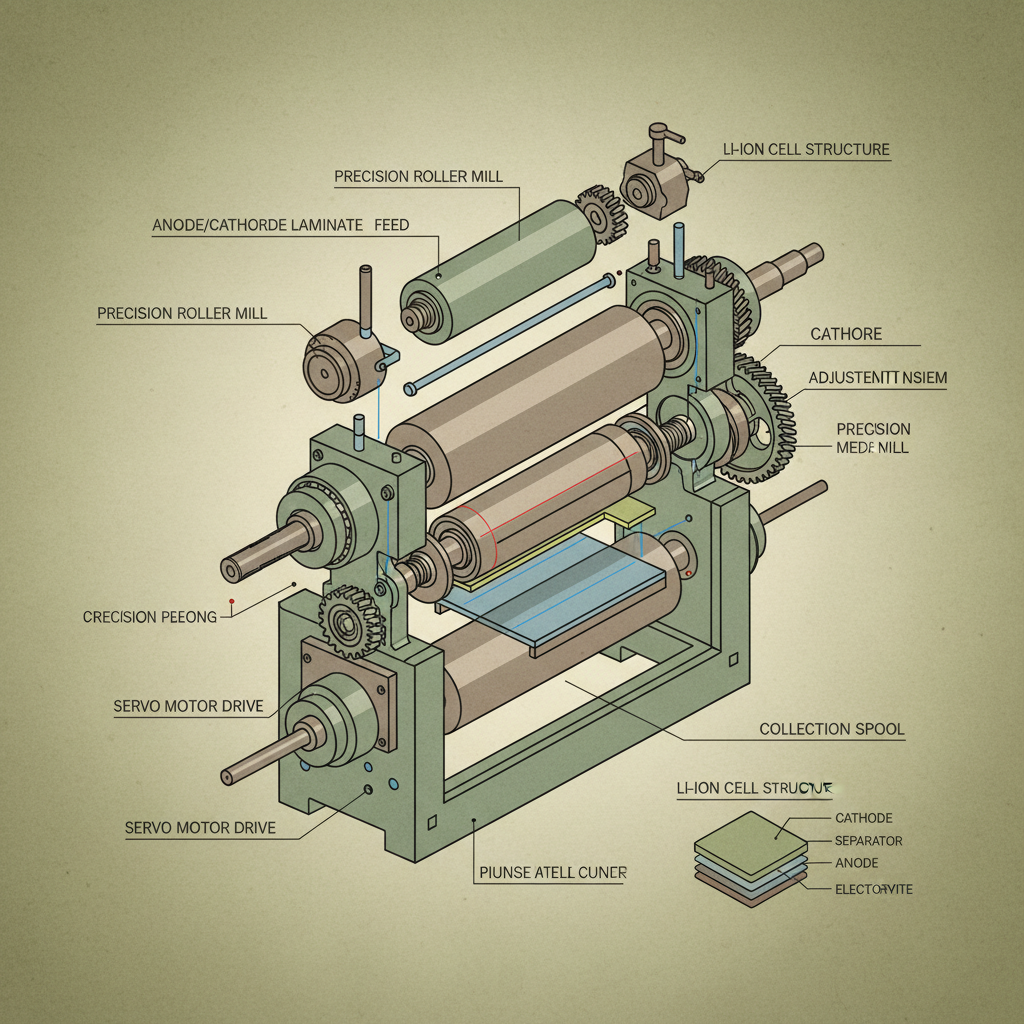
The Rising Demand for Precision in Battery Manufacturing
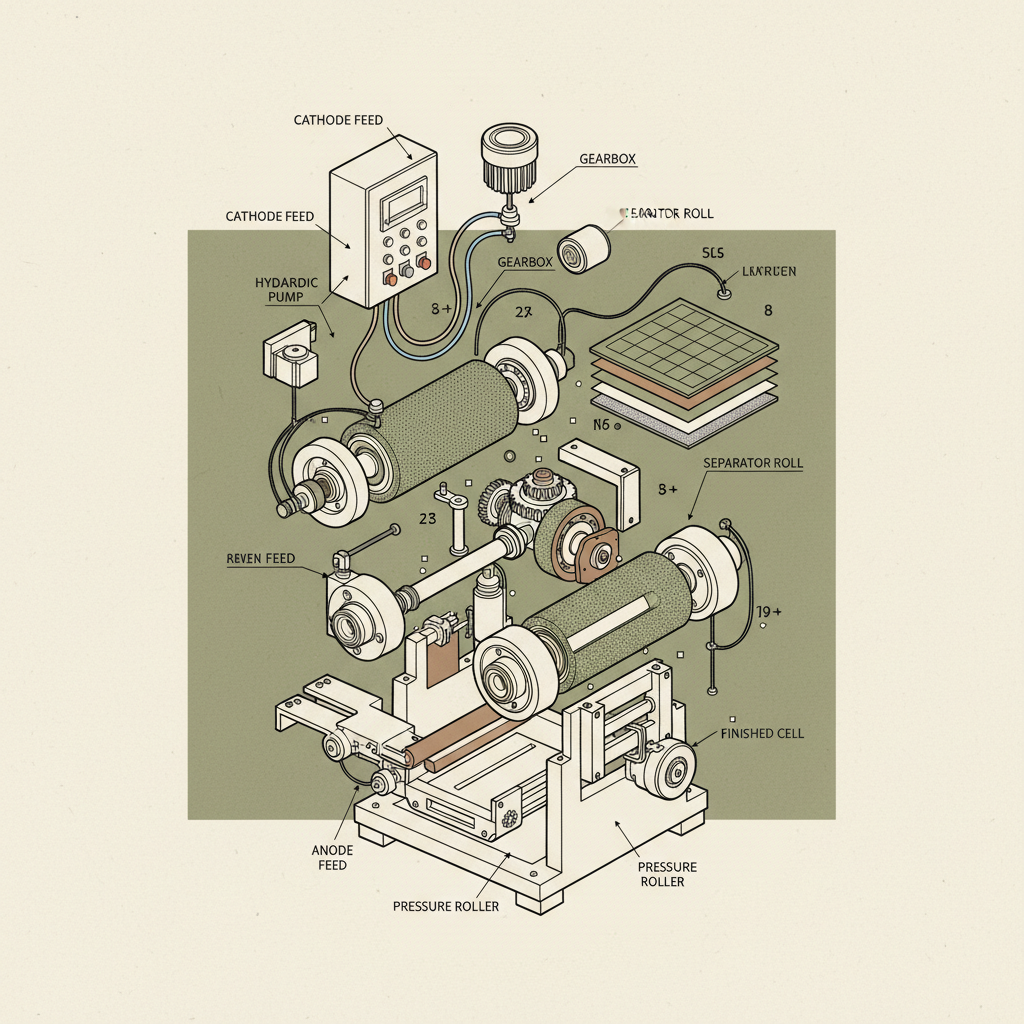
The whole EV market is booming, obviously. But it's not just cars. Power tools, e-bikes, energy storage systems… everyone needs better batteries. And better means denser, safer, more reliable. This is where the rolling press comes in. It's not just about slamming the electrodes together, it’s about controlling the density distribution, minimizing defects, and ensuring consistent performance. It’s easy to underestimate, but it’s actually a surprisingly complex process.
The material itself, the electrodes, smells a bit like… well, slightly burnt plastic, almost metallic. Feels a little gritty too, you need gloves. You mess with it too much, and it can become unstable, which is the last thing you want on a production line.
FAQS
The lifespan really depends on usage and maintenance, but generally, you can expect a well-maintained machine to last anywhere from 5 to 10 years. Key to this is consistent lubrication, proper cleaning, and timely replacement of worn parts. Neglect those, and you’ll be looking at repairs more often, and potentially a shorter overall lifespan. It’s worth investing in a preventative maintenance schedule.
Prices vary wildly, honestly. It depends on the capacity, the level of automation, and the features. You’re looking at anywhere from $50,000 for a basic model to $500,000 or more for a fully automated, high-capacity machine. And that doesn’t include installation, training, or ongoing maintenance. It's a significant investment, but it pays off in terms of quality and efficiency.
Regular maintenance is crucial. This includes daily cleaning, weekly lubrication of moving parts, monthly inspections of the rollers and bearings, and annual calibration of the control system. You also need to check the cooling system and ensure it's functioning properly. It's a lot, but it's worth it to prevent breakdowns and ensure consistent performance.
Absolutely. Most manufacturers offer customization options. You can adjust the roller width, the compression force, and the platen size to accommodate different battery formats. Last week, a customer wanted to make cylindrical batteries for a specific application, and we were able to modify the machine to handle the curved shape. It involved changing the roller profile and adding a specialized guiding system.
Safety is paramount. Look for features like emergency stop buttons, safety interlocks, and guarding around moving parts. The machine should also have a robust control system that prevents over-compression and other potentially hazardous conditions. Proper training for operators is essential as well, to ensure they understand the safety procedures and operate the machine correctly.
A high precision rolling press is a vital part of quality control. By ensuring consistent compression, it minimizes defects, improves electrode adhesion, and ultimately leads to more reliable batteries. You can also use the machine to measure parameters like density and thickness, which can be used to identify and reject faulty cells.
Conclusion
Ultimately, a high precision lithium battery rolling press machine is more than just a piece of equipment; it’s a critical component in the entire battery manufacturing process. From ensuring consistent electrode density to maximizing battery performance and lifespan, it plays a vital role in delivering the reliable energy storage solutions the world demands. It’s a complex technology, but when done right, it can make a huge difference.
Ultimately, whether this thing works or not, the worker will know the moment he tightens the screw. If it feels solid, the battery’s gonna be solid. If it feels off, well… you got problems. Check out high precision lithium battery rolling press machine for more details.
Related Posts
-
Advancements in Mechanical Sealing Strips for Industrial Applications
-
Comprehensive Guide to e type rubber seal strip Applications and Innovations
-
Exploring the Nuances of Automatic High Speed Roll to Roll Slitting Machine Technology
-

Reliable Cathode Calender Connectors for Industrial Applications and Beyond