Mechanical sealing strips represent a critical, yet often overlooked, component in a vast array of industrial applications. From preventing leakage in pumps and compressors to ensuring the integrity of pipelines, these strips are foundational to efficient and safe operations across numerous sectors. Understanding their properties, applications, and emerging trends is therefore essential for engineers, technicians, and anyone involved in maintaining critical infrastructure. The global need for reliable sealing solutions is ever-increasing, driven by factors like aging infrastructure, stricter environmental regulations, and the demand for increased operational efficiency.
The relevance of mechanical sealing strips extends beyond purely industrial contexts. They play a crucial role in water management systems, contributing to the conservation of this vital resource. In the energy sector, they are integral to the reliable operation of power plants, reducing downtime and maximizing output. Moreover, advancements in material science are leading to the development of more durable and sustainable sealing solutions, addressing growing environmental concerns. Globally, industries are increasingly focusing on preventative maintenance, elevating the importance of high-quality components like mechanical sealing strips.
The increasing demand for mechanical sealing strips is directly correlated with the escalating need for resource conservation and environmental protection. According to the UN, water scarcity already affects every continent, making efficient water management, which relies heavily on effective sealing technology, a global priority. Similarly, the ISO 14000 family of standards emphasizes environmental management systems, driving the adoption of technologies that minimize leaks and emissions. Consequently, mechanical sealing strips aren't simply industrial parts; they’re fundamental to sustainable development.
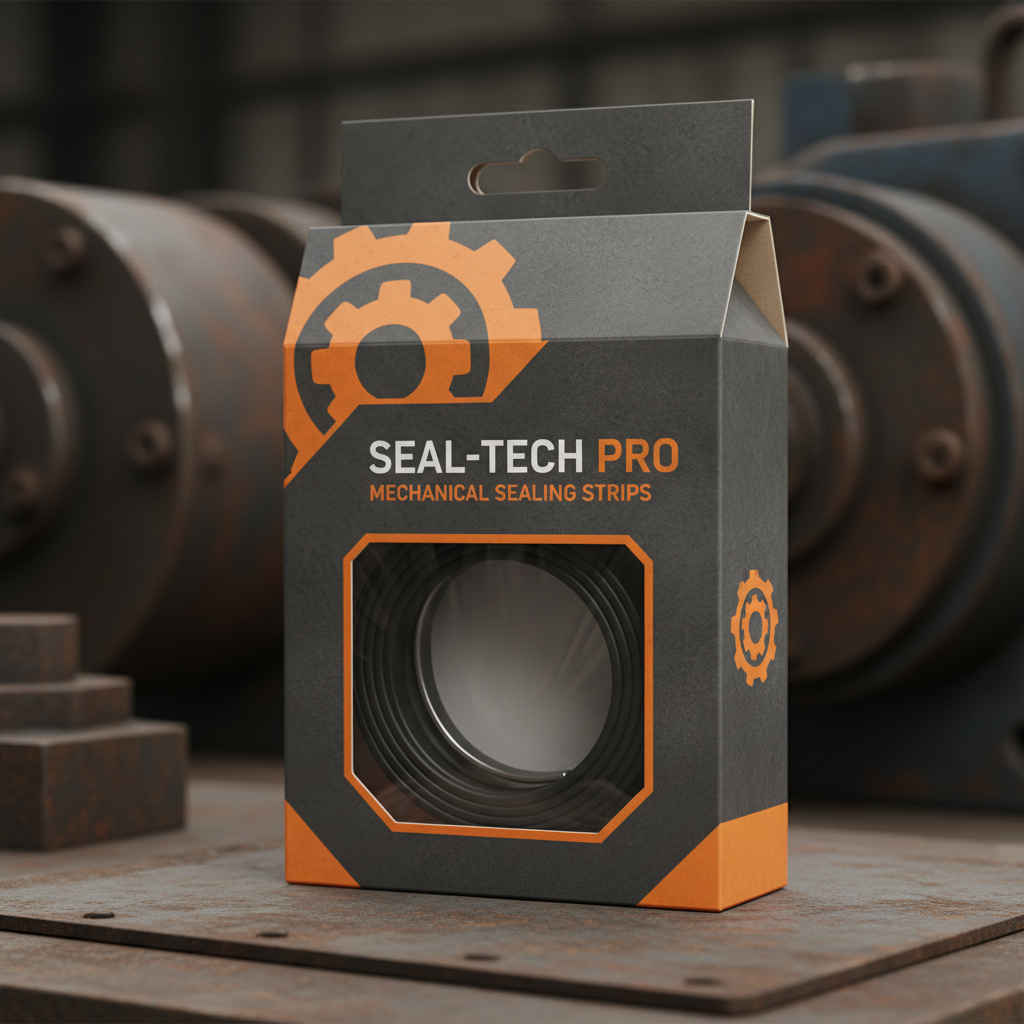
Introduction to Mechanical Sealing Strips
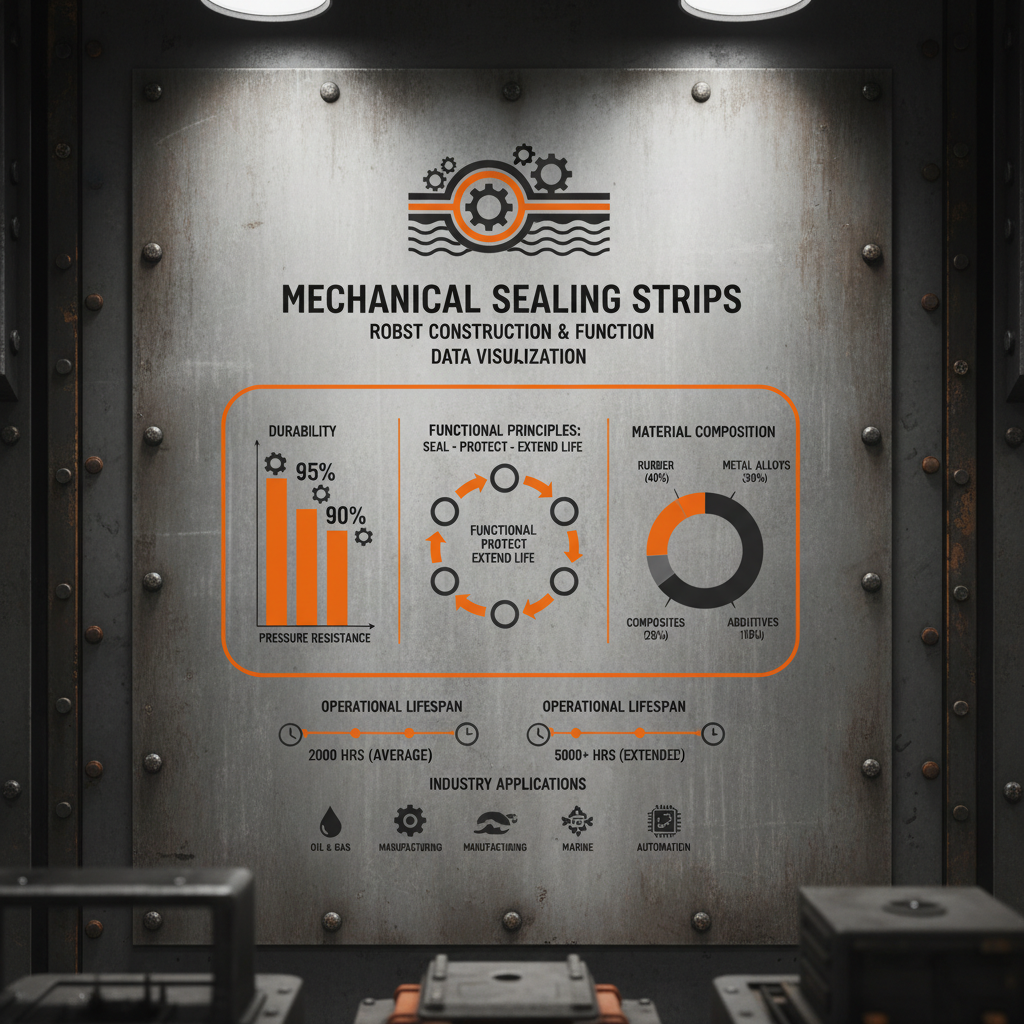
Mechanical sealing strips, in their most basic form, are engineered barriers designed to prevent fluid or gas leakage between moving components. They are crucial elements in a vast array of rotating equipment, including pumps, mixers, agitators, and compressors. Their primary function is to maintain a seal under dynamic conditions, preventing costly and potentially hazardous leakage.
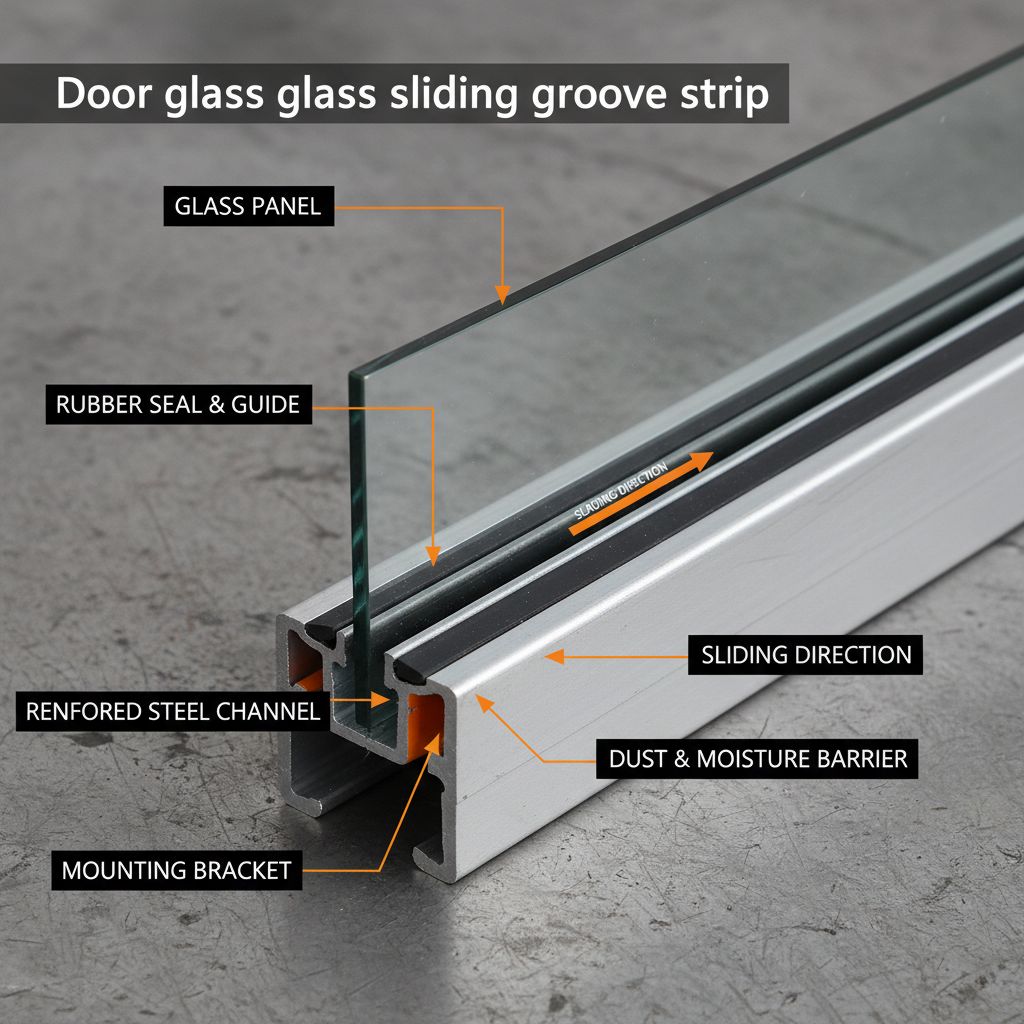
These strips aren’t merely simple gaskets. They are typically comprised of multiple components working in concert - a primary sealing element, secondary seals, springs, and often a metal housing. The careful selection of materials, including elastomers, polymers, and specialized alloys, is critical to their performance and longevity, particularly in demanding environments. This combination of engineering and material science makes mechanical sealing strips an indispensable part of modern industry.
FAQS
The lifespan of mechanical sealing strips is highly variable, depending on the application, operating conditions, and the quality of the materials used. Generally, they can last anywhere from 6 months to several years. Factors such as abrasive particles, high temperatures, and corrosive fluids can significantly reduce their lifespan. Regular inspection and preventative maintenance are crucial for maximizing longevity, and choosing materials suited to the specific environment is key. Proper installation also plays a critical role in ensuring optimal performance and durability.
Selecting the right mechanical sealing strip requires careful consideration of several factors. These include the fluid being sealed, the operating temperature and pressure, the shaft speed, and the presence of any abrasive particles. It’s essential to choose materials that are compatible with the fluid and can withstand the operating conditions. Consulting with a sealing specialist or referring to manufacturer specifications is highly recommended to ensure optimal performance and prevent premature failure.
Common causes of mechanical seal failure include abrasion due to solids in the fluid, corrosion from incompatible fluids, thermal distortion from high temperatures, and improper installation. Dry running, which occurs when the seal is not adequately lubricated, is another frequent cause. Inadequate spring compression or misalignment can also lead to premature wear and failure. Regular monitoring and preventative maintenance can help identify and address these issues before they escalate.
In some cases, minor damage to mechanical sealing strips can be repaired, but complete replacement is often the most reliable and cost-effective solution. Repairing seals can be challenging and may not restore them to their original performance. Factors like the extent of the damage, the cost of repair materials, and the potential for future failures should be considered. Generally, it’s best to replace a seal if it shows signs of significant wear or damage.
Cartridge seals offer several advantages over traditional component seals. They are pre-assembled and tested, reducing installation time and the risk of errors. Cartridge seals also provide better control over the seal environment and are often more reliable in demanding applications. While typically more expensive upfront, the reduced downtime and increased reliability can result in significant long-term cost savings. Component seals require skilled technicians for assembly and are more susceptible to installation errors.
Proper storage of mechanical sealing strips is crucial to maintain their integrity. They should be stored in a clean, dry environment, away from direct sunlight and extreme temperatures. It’s recommended to keep them in their original packaging until installation to protect the sealing surfaces from damage and contamination. Avoid handling the sealing surfaces directly with bare hands, as oils and contaminants can affect their performance.
Conclusion
In conclusion, mechanical sealing strips represent a cornerstone of modern industrial infrastructure, enabling efficient, safe, and reliable operation across a multitude of sectors. Their importance extends beyond simply preventing leakage; they contribute to resource conservation, environmental protection, and improved process safety. Understanding their core components, applications, and future trends is critical for professionals in various fields.
Looking ahead, continued innovation in materials science and digital technologies will drive the evolution of mechanical sealing strips, leading to even more robust, sustainable, and intelligent solutions. Embracing these advancements and prioritizing preventative maintenance will be crucial for ensuring the long-term health and resilience of critical infrastructure. For superior sealing solutions, visit our website: www.xtshuoding.com.
Related Posts