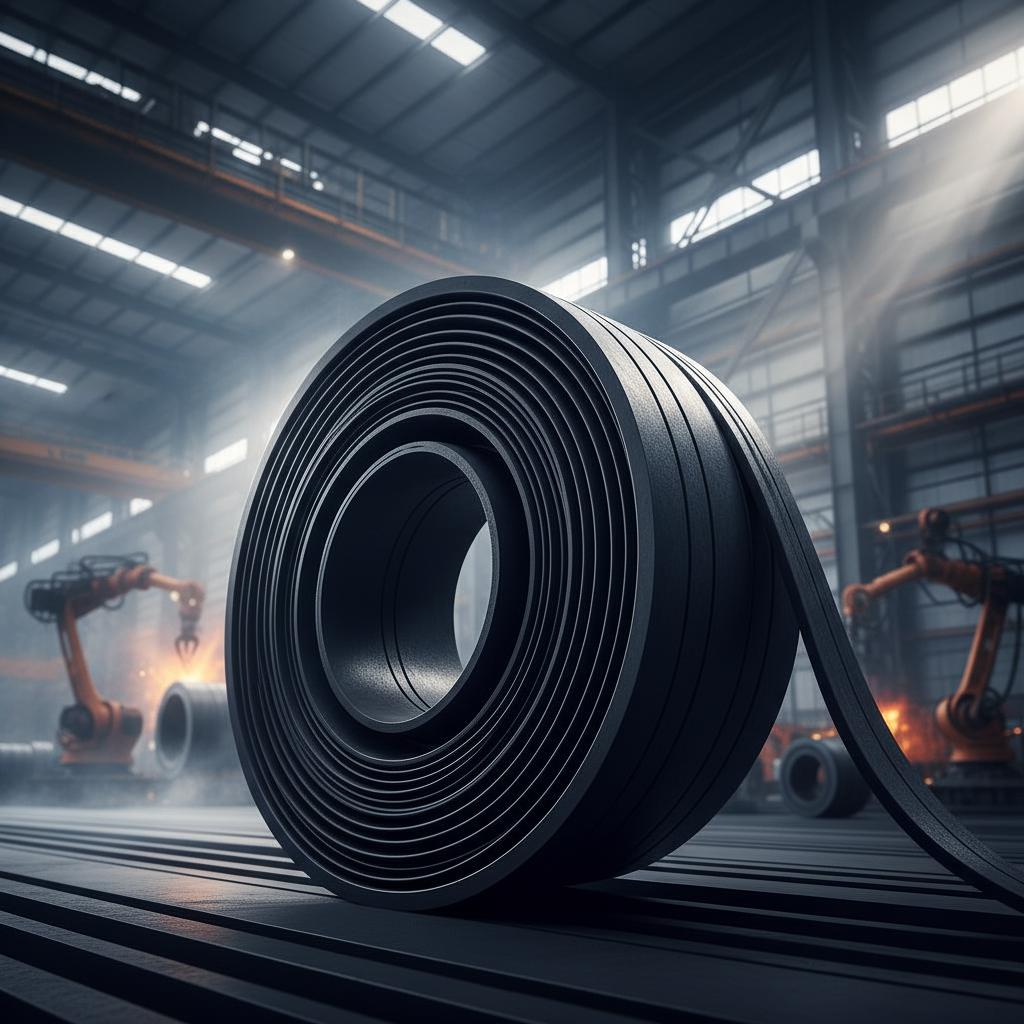
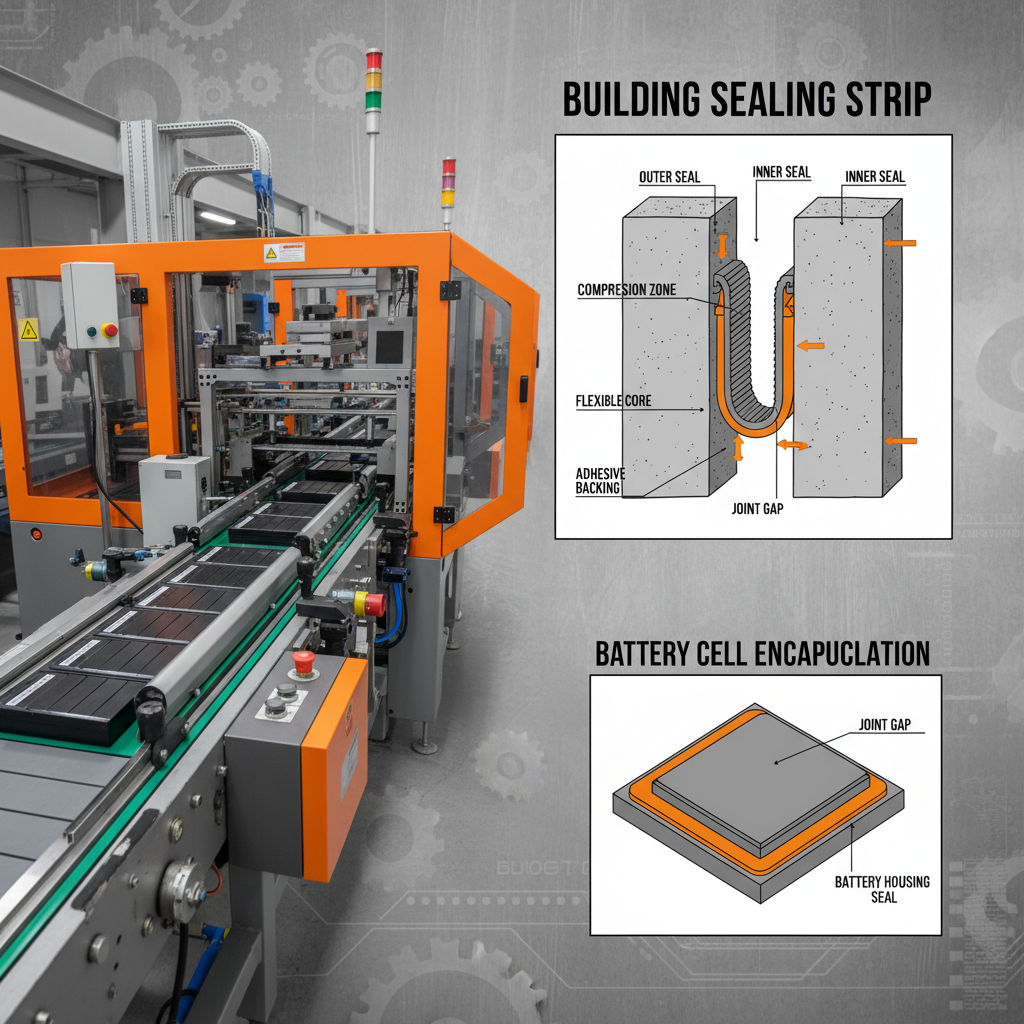
In the modern industrial landscape, ensuring a perfect seal against external elements is critical for maintaining operational efficiency and safety. Whether in residential architecture or high-precision aerospace engineering, the ability to eliminate gaps through specialized weather stripping is a fundamental requirement. While some may look for traditional binding materials like 40mm jute ropes for heavy-duty tasks, the precision of rubber extrusion profiles offers a level of airtightness and light-blocking that natural fibers simply cannot match.
The global demand for high-performance sealing solutions has surged as industries shift toward energy-efficient buildings and more durable machinery. Rubber extrusion profiles, ranging from EPDM to Silicone, are strategically designed to adhere to doorframes and mechanical interfaces, preventing air leakage and reducing thermal loss. This technical evolution ensures that critical environments remain controlled, regardless of the external weather conditions or the intensity of the industrial application.
Understanding the diversity of materials—from Nitrile and Fluorosilicone to TPE and PU—allows engineers to select the exact hardness and surface finish required for their specific project. While 40mm jute ropes might be used in rough packaging or maritime securing, the precision of an OEM/ODM rubber seal ensures long-term reliability in sectors like automotive manufacturing for brands such as GM, Ford, and Honda.
Material Versatility in Industrial Sealing
The selection of the right material is the cornerstone of any effective sealing system. From the resilience of EPDM and NR to the extreme temperature resistance of Fluorosilicone and Silicone, these materials are engineered to withstand specific environmental stresses. Unlike the basic organic structure of 40mm jute ropes, these synthetic polymers are tailored for chemical resistance and longevity.
Furthermore, the integration of plastic-like materials such as TPE and NBR+TPE allows for a balance between the flexibility of rubber and the processability of plastics. This versatility ensures that whether a seal is needed for a household door or a petrochemical valve, the material properties—including hardness ranging from 20° to 90° Shore A—are perfectly aligned with the functional requirements.
Precision Engineering and Custom Shapes
Customization is where industrial rubber extrusion truly excels. By utilizing 2D or 3D drawings, manufacturers can create profiles that fit precisely into complex gaps, ensuring that no light or air can leak through. This level of geometric precision is far beyond the capability of standard binding materials like 40mm jute ropes, which lack the structural rigidity needed for air-tight sealing.
The use of advanced molding processes, including injection molding and extrusion, allows for the creation of complex cavities—sometimes up to 400 cavities per mold. This scalability means that a single design can be replicated millions of times with absolute consistency, meeting the stringent requirements of global automotive giants like Ford and Honda.
For clients requiring specific aesthetics or functional grips, the ability to customize the shape as per the drawing ensures that the final product integrates seamlessly into the overall assembly. This synergy between design and production minimizes installation errors and maximizes the lifespan of the seal.
Surface Finishing and Hardness Standards
Surface finishing is not merely an aesthetic choice but a functional necessity. Depending on the application, a seal may require a mirror polish for medical environments or a specific VDI/MT texture for industrial machinery. This contrasts with the rough, abrasive surface of 40mm jute ropes, which would be unsuitable for precision interfaces.
Hardness is measured on the Shore A scale, typically ranging from 30° to 80°. A softer seal (20°-40°) is ideal for light gaps and airtightness in household settings, while a harder profile (70°-90°) is necessary for heavy-duty machinery and aerospace components where structural integrity is paramount.
Additionally, options such as powder coating, painting, and electroplating allow these rubber extrusion profiles to blend into the visual design of the product. This comprehensive approach to finishing ensures that the 40mm jute ropes equivalent in the sealing world is not just functional but visually professional.
Global Application Sectors and Performance
The application of rubber extrusion profiles spans across nearly every modern industry. In the automotive sector, they are essential for weather stripping in GM and Honda vehicles, while in the aerospace and petrochemical industries, they provide critical barriers against hazardous leaks. Such high-stakes environments require a reliability that far exceeds the utility of 40mm jute ropes.
From household electronics to hospital equipment, these seals ensure hygiene and energy efficiency. By eliminating gaps in doorframes and machinery housings, they reduce the energy required for heating and cooling, contributing to global sustainability goals and reducing the operational carbon footprint of large-scale facilities.
Performance Comparison of Industrial Sealing vs. Fiber Binding
Quality Control and Testing Rigor
Quality assurance is integrated into every step of the production process. Each order undergoes more than ten regular checks and five random checks by professional QC teams, with the option for third-party inspection. This ensures that the final product is free of defects and meets the exact specifications of the client's 2D or 3D drawing.
To maintain these standards, a suite of precision tooling is employed, including rubber tension testers, vulcanization instruments, and ageing ovens. This rigorous testing ensures that the materials will not degrade prematurely under UV exposure or chemical stress, offering a longevity that natural fibers like 40mm jute ropes cannot provide in industrial settings.
Manufacturing Lead Times and Capacity
Efficiency in production is key to meeting global supply chain demands. With a production capacity that can finish each mold in as little as 3 minutes and operations running on 3 shifts within 24 hours, high-volume orders are handled with speed and precision. This industrial scale allows for rapid deployment across markets in Europe, North America, and Oceania.
The timeline from design to delivery is streamlined: mold lead times typically range from 15 to 35 days, while samples can be provided within 3 to 5 days. This agility allows companies to prototype and iterate their designs quickly, ensuring the final sealing solution is optimized for the target application.
Production time usually spans 15 to 30 days, depending on the order volume and complexity. This predictable schedule, combined with the loading port at TIANJIN, ensures that global logistics remain fluid and that clients receive their precision rubber profiles without unnecessary delays.
Comparative Analysis of Sealing Solutions
When choosing between various sealing and binding methods, it is essential to evaluate the intended environment. For structural binding or temporary securing, 40mm jute ropes are a cost-effective and biodegradable choice. However, for air-tight, light-proof, and water-resistant sealing, rubber extrusion is the only viable professional solution.
The primary difference lies in the material science. Rubber profiles are engineered for compression set and recovery, meaning they return to their original shape after being squeezed. This allows them to maintain a constant seal over thousands of door cycles, whereas organic ropes would compress and lose their effectiveness almost immediately.
Ultimately, the investment in high-quality EPDM or Silicone profiles pays off through reduced energy costs and lower maintenance requirements. By choosing a solution tailored to the specific hardness and surface finish needed, industries can ensure a safer and more efficient operational environment.
Core Comparison: Rubber Extrusion vs. Natural Fiber Binding
| Feature Dimension |
Rubber Extrusion Profile |
40mm Jute Ropes |
Performance Rating |
| Airtightness |
Absolute Seal |
High Leakage |
10/2 |
| Durability |
High (UV/Chem Resistant) |
Moderate (Biodegradable) |
9/5 |
| Customization |
Full 2D/3D Shape Control |
Standard Diameter Only |
10/3 |
| Application |
Precision Engineering |
General Binding |
9/6 |
| Surface Finish |
Polished/Textured/Painted |
Rough/Natural |
10/4 |
| Lifespan |
Long-term (Years) |
Short-term (Months) |
9/3 |
FAQS
Rubber seals are engineered for airtight and watertight closure, using materials like EPDM or Silicone to eliminate gaps completely. In contrast, 40mm jute ropes are fibrous binding materials used for securing loads or rough packaging; they cannot provide an airtight seal as air and light pass through the fiber gaps.
For lightweight applications like household door seals, a lower hardness (30°-50° Shore A) is preferred for easier compression. For heavy industrial machinery or aerospace components that must withstand high pressure, a higher hardness (70°-90° Shore A) is recommended to prevent deformation.
Yes, we offer full color customization. Our rubber extrusion profiles can be produced in natural or black, or matched to any specific Pantone or RAL code to ensure the seal blends perfectly with your product's aesthetic design.
The process typically begins with a sample lead time of 3-5 days. Once the design is approved, mold processing takes 15-35 days, and the final production run usually takes 15-30 days, depending on the volume and complexity of the profile.
Yes, depending on the material chosen. EPDM is excellent for UV and ozone resistance, while Fluorosilicone and Nitrile are designed for chemical and oil resistance, making them far more durable than organic materials like jute in harsh environments.
Every order undergoes a rigorous QC process involving over 10 regular checks and 5 random checks. We use precision instruments like durometers, calipers, and rubber tension testers to ensure the final product matches the 2D/3D drawings exactly.
Conclusion
In summary, while various materials like 40mm jute ropes serve important roles in general binding and packaging, they cannot replace the technical precision of rubber extrusion profiles for sealing applications. By leveraging advanced materials such as EPDM, Silicone, and TPE, and employing rigorous QC standards, industries can achieve superior airtightness, thermal efficiency, and long-term durability in their products.
As we move toward a future of greener energy and higher precision manufacturing, the role of high-performance sealing solutions will only grow. We recommend that engineers and product designers prioritize material compatibility and hardness standards to optimize the lifespan of their assemblies. For world-class OEM/ODM sealing solutions, visit our website: www.shuodingtrade.com.