Rubber seal strip plays a critical role in modern infrastructure and manufacturing. From automotive applications to building construction and even aerospace, these seemingly simple components are fundamental to ensuring safety, efficiency, and longevity. Understanding their properties, applications, and future trends is crucial for engineers, designers, and procurement professionals alike. The global demand for effective sealing solutions continues to grow alongside industrial expansion and increasing performance requirements.
The importance of rubber seal strip extends beyond mere functionality; it directly impacts resource conservation and cost-effectiveness. Leakage prevention, noise reduction, and protection from environmental factors all contribute to reduced energy consumption and lower maintenance costs. Furthermore, advancements in materials science are driving the development of more durable and sustainable seal strip options, addressing growing environmental concerns.
Finally, the careful selection and implementation of rubber seal strip significantly contribute to the reliability and safety of various systems. Whether it’s preventing fluid leaks in hydraulic machinery or ensuring airtight seals in medical devices, the integrity of these components is paramount. Continuous innovation in this field focuses on enhancing performance characteristics and broadening the range of applications for these essential products.
The Importance of Rubber Seal Strip
Rubber seal strip, often overlooked, is an essential component across a vast range of industries. Its primary function is to create a barrier against the ingress of fluids, gases, dust, and other contaminants, preserving the integrity and efficiency of the systems it protects. Without reliable seal strip solutions, many modern technologies and processes simply wouldn't function effectively.
The seemingly simple design of a rubber seal strip belies a complex interplay of material science, engineering, and manufacturing processes. Selecting the correct material, profile, and durometer (hardness) is crucial for optimal performance in any given application. Proper installation and maintenance are also vital to ensure a long service life and prevent costly failures.
Defining Rubber Seal Strip
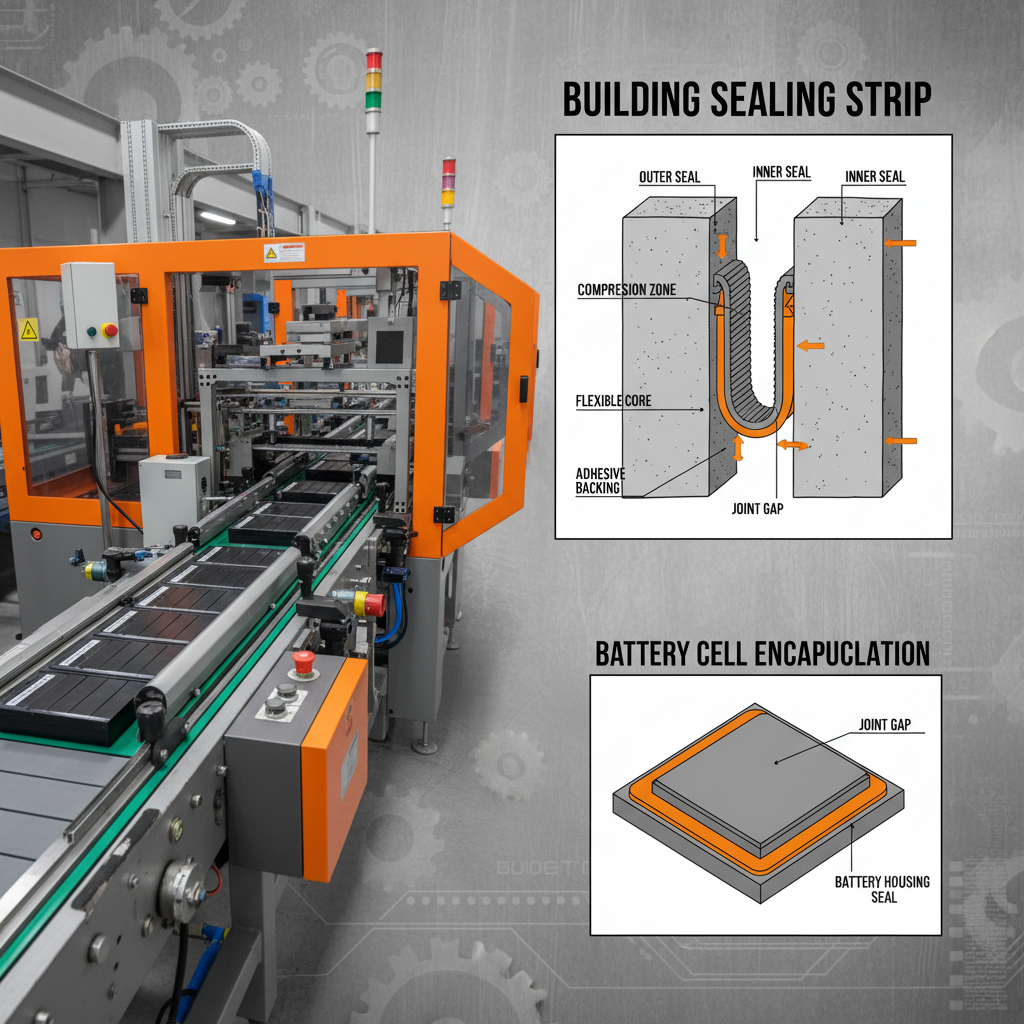
A rubber seal strip is a flexible component designed to fill gaps between two mating surfaces, creating a seal that prevents the passage of substances. These strips are typically manufactured from a variety of elastomers – synthetic or natural rubbers – chosen based on their specific properties like temperature resistance, chemical compatibility, and elasticity. They come in diverse shapes and sizes, including O-rings, gaskets, and custom-extruded profiles.
The connection to modern industry is undeniable. Consider automotive engines, where seal strip prevents oil leaks and maintains combustion efficiency. In the construction industry, weatherstripping seals windows and doors, enhancing energy efficiency. Even in medical devices, precise sealing is critical to maintain sterility and prevent contamination. Rubber seal strip contributes significantly to the safety, reliability, and sustainability of numerous products.
Furthermore, its role is crucial in addressing humanitarian needs. For example, in water purification systems, effective seals are vital to ensure clean water access, and in temporary shelters, weather seals provide protection from the elements, directly impacting quality of life.
Core Properties of Rubber Seal Strip
Several core properties define the performance of rubber seal strip. First and foremost is elasticity, its ability to deform under pressure and return to its original shape. This allows it to conform to irregular surfaces and maintain a tight seal. Secondly, chemical resistance is paramount, ensuring the material doesn't degrade when exposed to oils, solvents, or other aggressive substances.
Temperature resistance dictates the operating range of the seal strip. Different materials maintain their properties at varying temperatures. Furthermore, compression set – the permanent deformation after prolonged compression – is a crucial factor in long-term reliability. A low compression set indicates the material retains its sealing force over time. Finally, durability and abrasion resistance impact its lifespan and ability to withstand repeated use.
These properties are not independent; they often interact and must be carefully balanced based on the specific application. Choosing the right rubber compound and design is a critical engineering challenge, demanding a thorough understanding of material science and sealing principles.
Key Performance Indicators
Evaluating the performance of rubber seal strip requires careful consideration of several key indicators. One crucial metric is sealing force, the pressure exerted by the seal against the mating surfaces. Higher sealing force generally leads to a better seal, but it can also increase friction and wear.
Another important factor is leakage rate, quantifying the amount of substance that passes through the seal over time. This is particularly critical in applications where even a small leak can have significant consequences.
Rubber Seal Strip Performance Comparison
Global Applications & Industries Served
The applications of rubber seal strip are incredibly diverse, spanning virtually every industry. In the automotive sector, they are critical for sealing engines, transmissions, and doors, ensuring efficient operation and passenger comfort. The aerospace industry relies heavily on high-performance seals for fuel systems, hydraulic actuators, and cabin pressurization.
In the construction industry, rubber seal strip is used for weatherproofing windows and doors, preventing water ingress and improving energy efficiency. The food and beverage industry utilizes sanitary seals to maintain hygiene and prevent contamination. Even in the pharmaceutical industry, precision seals are essential for maintaining the integrity of sterile packaging and medical devices.
Advantages and Long-Term Value
Investing in high-quality rubber seal strip offers numerous tangible benefits. Reduced leakage translates to lower material costs and minimized environmental impact. Improved energy efficiency, achieved through airtight seals, leads to significant cost savings over the long term. Increased reliability and durability reduce the frequency of maintenance and repairs, further lowering overall operating expenses.
Beyond cost savings, rubber seal strip contributes to enhanced safety and environmental sustainability. Proper sealing prevents hazardous leaks and emissions, protecting workers and the environment. Choosing sustainable materials and manufacturing processes further minimizes the ecological footprint of these essential components. The reliability also builds trust with customers and stakeholders.
Future Trends and Innovations
The future of rubber seal strip is driven by several key trends. The development of advanced materials, such as fluorosilicones and hydrogenated nitrile rubber (HNBR), is expanding the operating temperature and chemical resistance capabilities of seals. The integration of nanotechnology is enhancing material properties and creating self-healing seals.
Digitalization is playing an increasing role, with the use of sensors and data analytics to monitor seal performance and predict failures. Automation in manufacturing processes is improving precision and reducing costs. Furthermore, there’s a growing focus on developing biodegradable and recyclable seal materials to address environmental concerns.
Summary of Challenges and Solutions Related to Rubber Seal Strip
| Challenge Area |
Impact on Rubber Seal Strip Performance |
Potential Solutions |
Implementation Feasibility (1-10) |
| Material Degradation |
Reduced sealing force, increased leakage |
Utilize advanced materials (HNBR, FKM) with improved chemical/temperature resistance |
8 |
| Installation Errors |
Compromised seal integrity, premature failure |
Improved training for installers, standardized installation procedures |
7 |
| Extreme Temperatures |
Material brittleness or softening, loss of elasticity |
Employ materials designed for specific temperature ranges, thermal management techniques |
9 |
| Abrasion and Wear |
Gradual deterioration of sealing surface, increased leakage |
Select materials with high abrasion resistance, apply surface coatings |
6 |
| Dynamic Applications |
Fatigue failure due to repeated movement |
Use specialized seal designs and materials for dynamic environments |
7 |
| Environmental Concerns |
Disposal of non-biodegradable materials |
Develop biodegradable seal materials, implement recycling programs |
5 |
FAQS
The most common materials include Nitrile (NBR), Silicone, EPDM, Viton (FKM), and Neoprene. NBR is popular for oil resistance, Silicone for temperature extremes, EPDM for weather resistance, Viton for aggressive chemicals, and Neoprene for general-purpose applications. The selection depends heavily on the specific application’s requirements regarding temperature, fluids, and pressure.
Durometer, measured on the Shore scale (A or D), indicates the hardness of the rubber. Lower durometer values (softer) are better for applications requiring a tight seal with minimal pressure, while higher values (harder) are suitable for abrasive environments or applications needing high compression resistance. Consulting with a sealing expert or referencing material data sheets is recommended.
Compression set refers to the permanent deformation of a rubber material after being subjected to prolonged compression. A low compression set is crucial for maintaining sealing force over time. High compression set leads to leakage and seal failure. Material selection and proper design play key roles in minimizing compression set.
Store rubber seal strip in a cool, dry, and dark environment, away from direct sunlight, ozone sources (like electric motors), and heat. Avoid contact with oils, solvents, and other chemicals. Ideally, store seals in their original packaging or in sealed containers to protect them from environmental factors. Proper storage maximizes shelf life and performance.
The lifespan varies significantly based on the material, application, operating conditions, and maintenance. Under optimal conditions, a well-selected and properly installed rubber seal strip can last several years. Factors like temperature extremes, chemical exposure, abrasion, and compression set can shorten the lifespan. Regular inspection and replacement are essential for maintaining performance.
Yes, there is growing research and development in eco-friendly alternatives. Materials like bio-based rubbers, recycled rubber compounds, and biodegradable elastomers are gaining traction. While these options may not always match the performance of traditional materials in every application, they represent a sustainable approach to sealing solutions. rubber seal strip manufacturers are continuously expanding these options.
Conclusion
In conclusion, rubber seal strip is a remarkably versatile and critical component in countless industries. Its ability to prevent leakage, protect against environmental factors, and ensure the reliable operation of complex systems makes it indispensable. Understanding its core properties, appropriate applications, and emerging trends is essential for engineers, designers, and anyone involved in the design, manufacturing, or maintenance of modern technology.
Looking ahead, innovation in materials science, manufacturing processes, and digitalization will continue to drive advancements in rubber seal strip technology. Embracing these advancements and prioritizing sustainability will be key to unlocking even greater value and ensuring the long-term viability of this essential component. Visit our website today at www.xtshuoding.com to explore our comprehensive range of rubber seal strip solutions.