Sustainable Energy Infrastructure via lithium ion battery assembly line in Rwanda

Empowering Rwanda's industrial revolution with advanced battery manufacturing technology and precision industrial components for a greener future.

Sustainable Energy Infrastructure via lithium ion battery assembly line in Rwanda

We provide comprehensive turnkey solutions for lithium battery production, integrating precision tools and industrial materials to accelerate Rwanda's transition to renewable energy storage.

Current Landscape of Battery Manufacturing in Rwanda

Analyzing the synergy between energy needs and industrial capacity in East Africa.

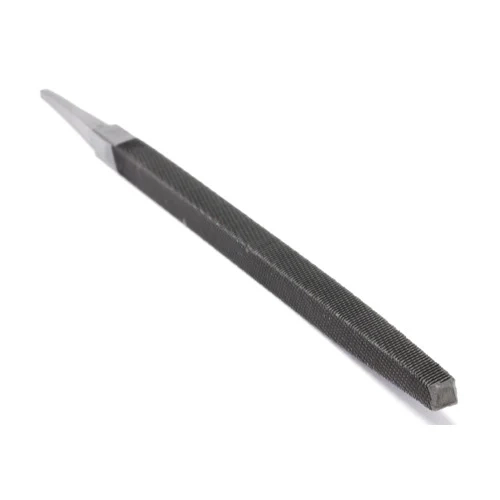
Rwanda is currently experiencing a surge in demand for off-grid energy solutions due to its mountainous terrain and the government's ambitious electrification goals. The local market is shifting from importing finished batteries to establishing local assembly hubs, requiring high-precision equipment like steel files for maintenance and custom casing adjustments.

Climate conditions in Rwanda, characterized by moderate temperatures but high humidity in certain regions, necessitate high-quality sealing components. The integration of rubber seal strip technology in battery packs is critical to preventing moisture ingress and ensuring the longevity of energy storage systems in the Rwandan highlands.

Beyond high-tech machinery, the logistics sector supporting these industries still relies on robust packaging. The use of jute bags remains prevalent for transporting raw minerals and industrial parts, blending traditional Rwandan logistics with modern manufacturing requirements.
Evolution of Energy Storage Technology in Rwanda

From lead-acid dependence to the era of intelligent lithium assembly.

Market Development History

Between 2010 and 2015, the Rwandan market was dominated by lead-acid batteries, which were heavy and inefficient for the growing e-mobility sector. Maintenance was rudimentary, often utilizing basic hand tools for terminal cleaning.

From 2016 to 2021, there was a strategic pivot toward Lithium Iron Phosphate (LiFePO4) technology. This era saw the first imports of semi-automated assembly kits, reducing reliance on fully imported finished goods from Asia and Europe.

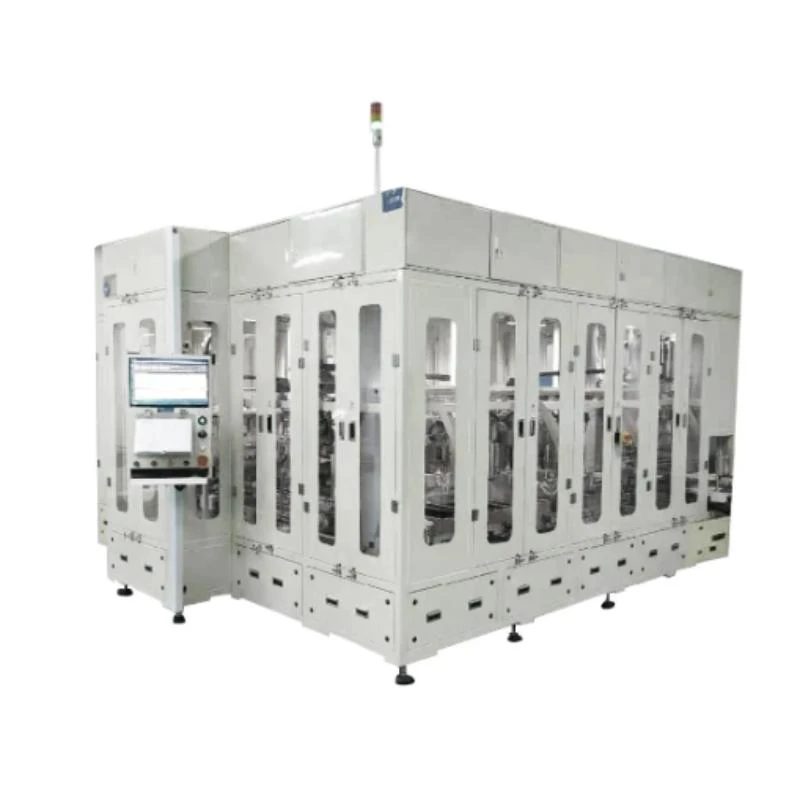
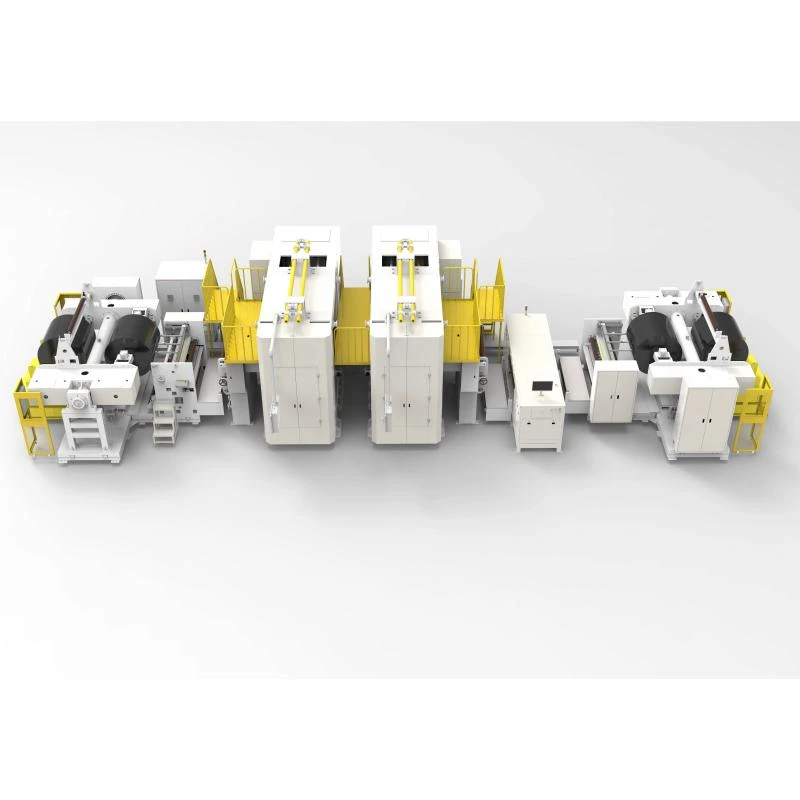
Since 2022, the focus has shifted to full-scale localized production. The deployment of a professional lithium ion battery assembly line has allowed Rwandan firms to customize battery capacities for electric motorcycles, a key transport mode in Kigali.

Future Development Trends

AI-Driven Quality Control

Integration of machine learning in the assembly process to predict cell failure during the welding phase, increasing yield rates for local manufacturers.

Circular Economy Integration

Establishing battery recycling plants within Rwanda to recover cobalt and lithium, reducing the environmental footprint of the manufacturing sector.

Solid-State Transition

A gradual shift towards solid-state electrolytes to enhance safety in high-temperature tropical environments, reducing the risk of thermal runaway.

Industry Trends and Future Outlook

Strategic projections for Rwanda's electrical machinery and battery sector.

Micro-Grid Proliferation
Rapid expansion of community-level energy storage systems across rural Rwanda to stabilize power delivery.
E-Mobility Scaling
Massive shift toward electric buses and motorcycles in Kigali, driving the demand for modular battery packs.
Industrial Diversification
Expanding local production to include auxiliary industrial goods, including components like pet snacks packaging for the growing urban pet market.
Automation Integration
Replacing manual assembly with high-throughput robotic lines to meet the regional East African Community (EAC) demand.

Industry Outlook

Over the next 3-5 years, the Rwandan lithium-ion sector is expected to grow at a CAGR of 15%, driven by the government's "Vision 2050". Google search trends indicate a rising interest in "sustainable energy storage Africa" and "EV battery assembly", signaling a shift toward domestic production.

The focus will move from simple assembly to deep-value addition, including the production of cells and the implementation of smart BMS (Battery Management Systems) to optimize energy use in Rwanda's unique topography.

Localized Application Scenarios in Rwanda

Practical implementations of battery technology and industrial tools in the Rwandan market.

1. Electric Moto-Taxi Battery Hubs

Establishing battery swapping stations in Kigali utilizing customized packs from a lithium ion battery assembly line to power the city's transport network.

2. Rural Solar Home Systems (SHS)

Deploying deep-cycle lithium batteries in remote provinces to provide stable lighting and refrigeration for agricultural products.

3. Precision Tooling for Local Workshops

Providing high-carbon steel files to technical colleges in Rwanda for the training of future electrical engineers and machinists.

4. Industrial Waterproofing for Energy Packs

Applying high-grade rubber seal strip solutions to ensure battery enclosures remain airtight during the rainy seasons in the Western Province.

5. Agribusiness Logistics Support

Using heavy-duty jute bags for the secure transport of battery components and raw minerals from mines to assembly plants.

Brand Story

Global Development Journey of Xingtai Shuoding Trading Co., Ltd.

Foundational Excellence

Started as a specialized supplier of industrial tools, mastering the precision of metallurgy and material science to serve global markets.

Strategic Diversification

Expanded from simple tools to complex machinery, recognizing the global shift toward sustainable energy and lithium battery production.

African Market Penetration

Launched dedicated initiatives for Rwanda and the wider East African region, focusing on localized technical support and equipment adaptation.

Innovation Leap

Developed integrated assembly solutions that combine high-end automation with durable, low-maintenance components for emerging economies.

Global Sustainability Mission

Committed to bridging the energy gap by providing the tools and technology necessary for nations like Rwanda to achieve energy independence.

Common Questions in Rwanda's Battery Industry

Expert answers to technical and logistical challenges in the local market.

How to set up a lithium ion battery assembly line in Kigali?

Setting up requires a clean-room environment, cell sorting machines, spot welding equipment, and a robust BMS testing station tailored to Rwandan voltage standards.

What are the best materials for battery casing seals in humid climates?

We recommend using a high-density rubber seal strip made of EPDM or Silicone to prevent water vapor penetration in the humid Rwandan highlands.

Which precision tools are needed for battery pack maintenance?

Essential tools include digital multimeters, torque wrenches, and high-quality steel files for deburring metal housing components.

Can jute bags be used for transporting lithium cell components?

While jute bags are excellent for raw mineral transport, cells should be placed in anti-static inner liners before being packed in jute for external transport.

Are there markets for non-battery industrial goods in Rwanda?

Yes, as the middle class grows in Kigali, there is a rising demand for diverse consumer goods, including specialized packaging for items like pet snacks.

How does Rwanda handle the disposal of lithium batteries?

Rwanda is developing a national framework for e-waste, emphasizing the recovery of materials and the partnership between assembly plants and recycling centers.

Consult Our Battery Experts Today

Ready to launch your industrial project in Rwanda? Contact our engineering team for a customized solution.

Contact Us Now

If you are interested in our products, you can choose to leave your information here, and we will be in touch with you shortly.