Look, I’ve spent the last fifteen years knee-deep in dust and concrete, watching things get built – and things fail. When you’re on a site, you quickly learn what matters. It's not fancy specs, it's reliability. And increasingly, what I've been seeing is a real need for better sealing solutions – things that can hold up to constant movement, weather extremes, and just plain rough handling. That's where understanding transparent sealing strip comes in. It's a simple component, but getting it right can save a project time, money, and a whole lot of headaches.
We're not talking about just patching gaps here. Modern construction demands airtight and watertight seals for energy efficiency, structural integrity, and even safety. Traditional methods – caulk, foam, even some older rubber strips – just don’t consistently deliver. They crack, shrink, or degrade quickly, leading to leaks, drafts, and expensive repairs. The shift towards prefabrication and modular construction is also pushing the demand for sealing that can keep up with the pace and precision required.
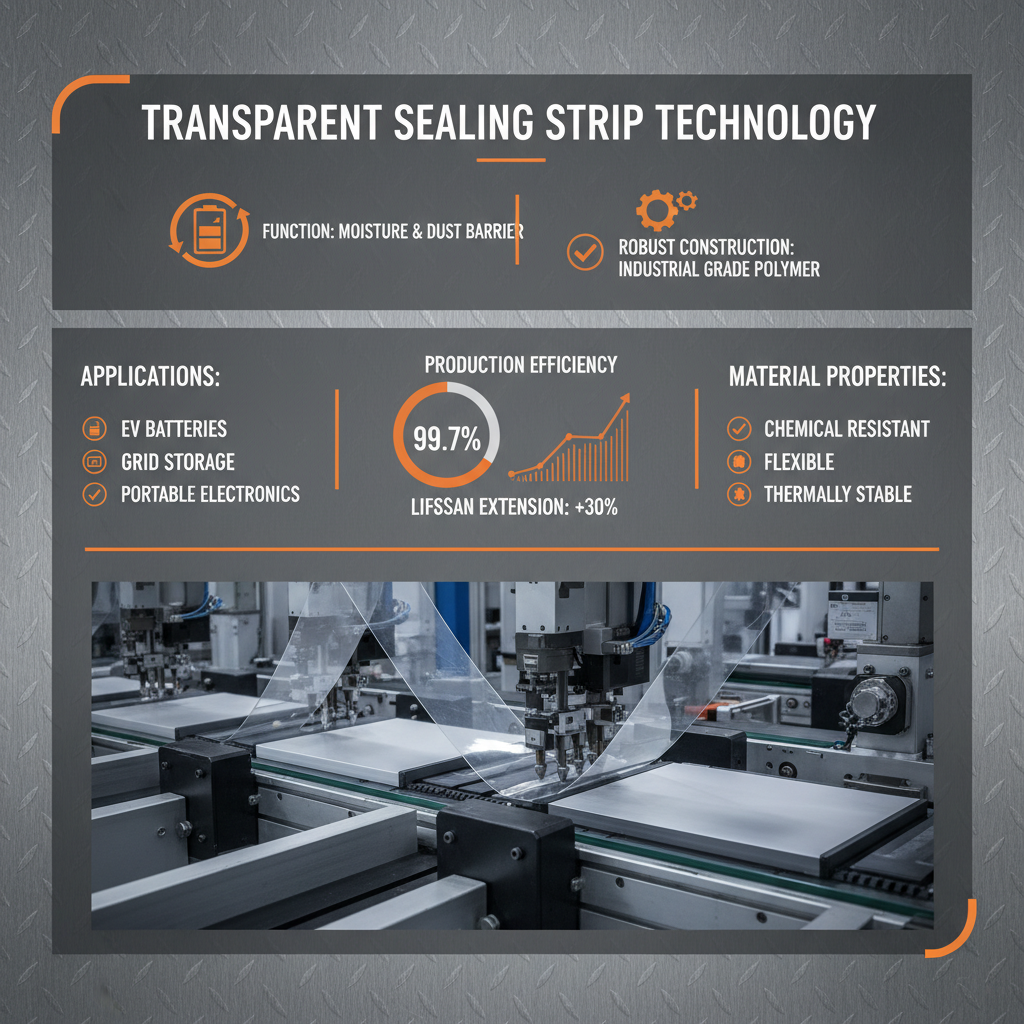
What really struck me is how versatile these transparent strips are. It's not just about windows and doors anymore. We’re talking about solar panel installations, prefabricated wall panels, even specialized enclosures for sensitive equipment. The need for a clear, durable, and flexible seal is growing across the board, and frankly, the old ways just aren't cutting it.
The Core Benefits of Transparent Sealing Strip
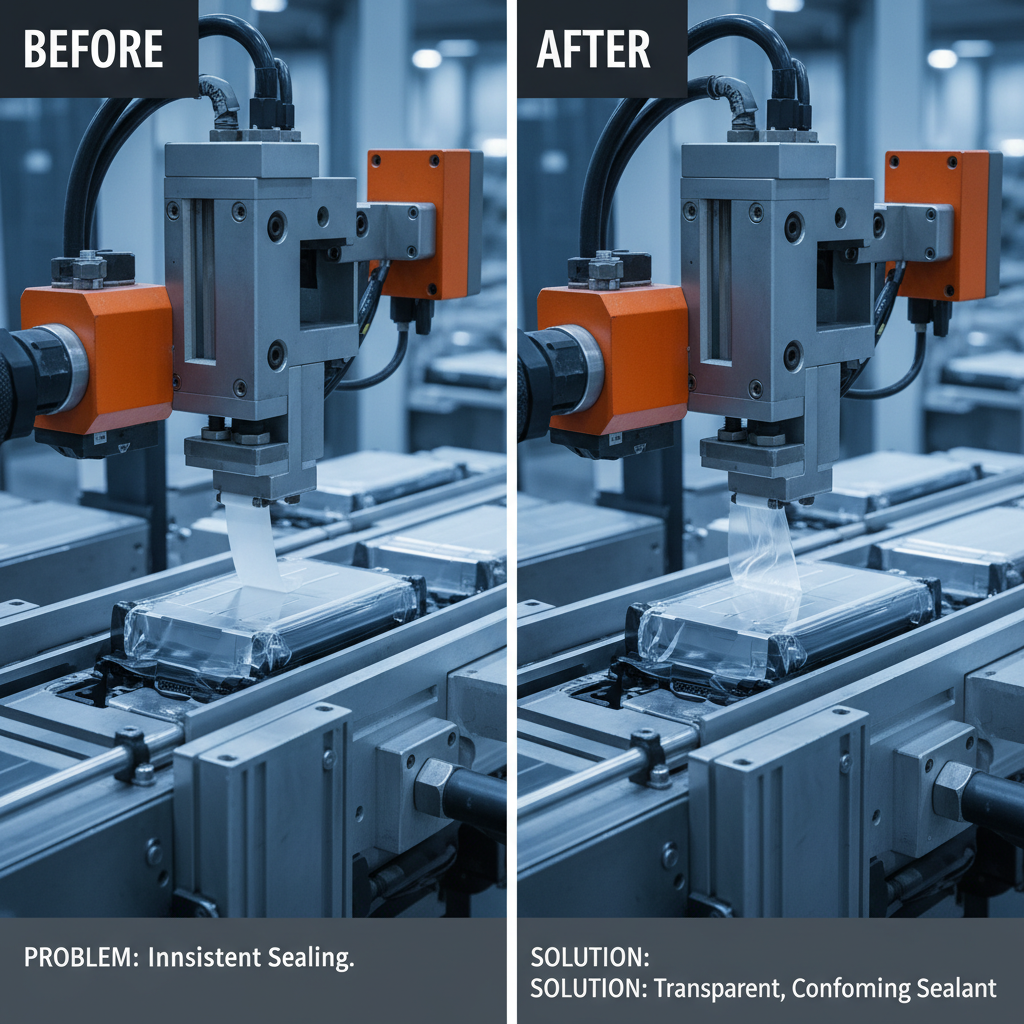
Honestly, the biggest win with transparent sealing strip is its simplicity. You’re dealing with a material that doesn’t require a ton of specialized tools or training to install. But don’t let that fool you – it's incredibly robust. The transparency also means you can visually inspect the seal, something you can't do with opaque materials, catching potential problems early.
I’ve seen crews cut installation time by a significant margin using these strips. Less time fiddling with application means more time getting the project done and moving on. And, crucially, fewer callbacks for repairs. That, in itself, is worth the investment.
Global Relevance and Industry Impact
Look at the data: the global construction industry is a multi-trillion dollar market, and a huge chunk of that is spent on maintenance and repairs. A significant portion of those costs are tied to water damage and energy loss due to poor sealing. According to a UN report on sustainable infrastructure, improving building efficiency is crucial for reducing carbon emissions – and sealing is a major part of that equation.
The demand isn't limited to new construction, either. Retrofitting existing buildings to improve energy efficiency is a massive undertaking, and transparent sealing strip offers a cost-effective solution for addressing drafts and leaks. Think about older buildings in Europe, or the massive housing stock in developing nations – the potential impact is huge.
What’s been interesting is seeing the ISO standards evolve to prioritize airtightness and thermal performance. This isn’t just a trend; it’s a fundamental shift in how buildings are designed and constructed, and it’s driving the demand for reliable sealing solutions like these transparent strips.
Defining Transparent Sealing Strip
Essentially, transparent sealing strip is a flexible, often polymeric material designed to create an airtight and watertight barrier between two surfaces. It's typically made from materials like modified acrylics or silicones, chosen for their durability, flexibility, and resistance to UV degradation. What sets it apart is the clarity – you can see the seal itself, which allows for easy inspection.
This isn’t just about aesthetics. The transparency allows engineers and inspectors to visually confirm proper adhesion and identify any potential issues before they escalate. In a modern construction context, where precision and quality control are paramount, this is a significant advantage. It directly relates to modern industry's push for greater accountability and transparency in building processes.
This technology also plays a role in addressing humanitarian needs, particularly in providing safe and weatherproof shelters in disaster relief situations. A clear, reliable seal is vital for protecting vulnerable populations from the elements.
Key Performance Characteristics
Let's talk specifics. First, durability. These strips need to withstand years of exposure to sun, rain, and temperature fluctuations without cracking or losing their seal. Second, flexibility. Buildings move – they settle, they expand and contract – and the seal needs to accommodate that movement without failing.
Adhesion is critical, obviously. A good strip will bond strongly to a variety of surfaces, including glass, metal, and concrete. Then there's UV resistance. Sunlight degrades a lot of materials, so the strip needs to be formulated to withstand prolonged exposure. And finally, transparency itself—maintaining clarity over time is essential for visual inspection.
Transparent Sealing Strip Performance Metrics
Real-World Applications
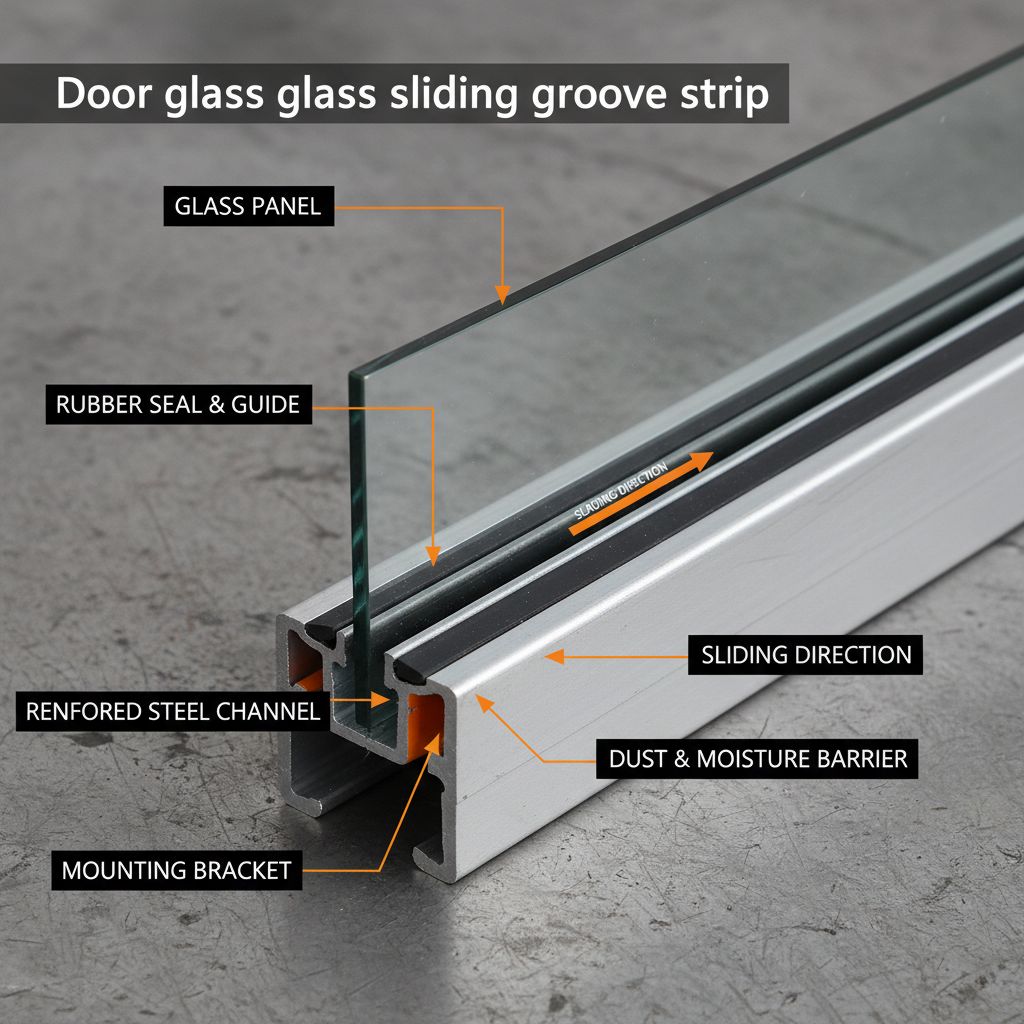
I’ve seen these strips used extensively in curtain wall systems on high-rise buildings, providing a weatherproof seal between the glass and the frame. They’re also becoming standard in prefabricated bathroom pods and kitchen modules, where airtightness is critical for preventing mold and mildew.
In post-disaster relief operations, quick-assembly shelters often rely on these strips to create a watertight barrier. And, increasingly, they're being used in solar panel installations to prevent water intrusion and maintain optimal performance. I saw a large-scale solar farm in Nevada where they used these strips to seal the edges of every panel—a real game-changer in terms of long-term reliability.
Advantages and Long-Term Value
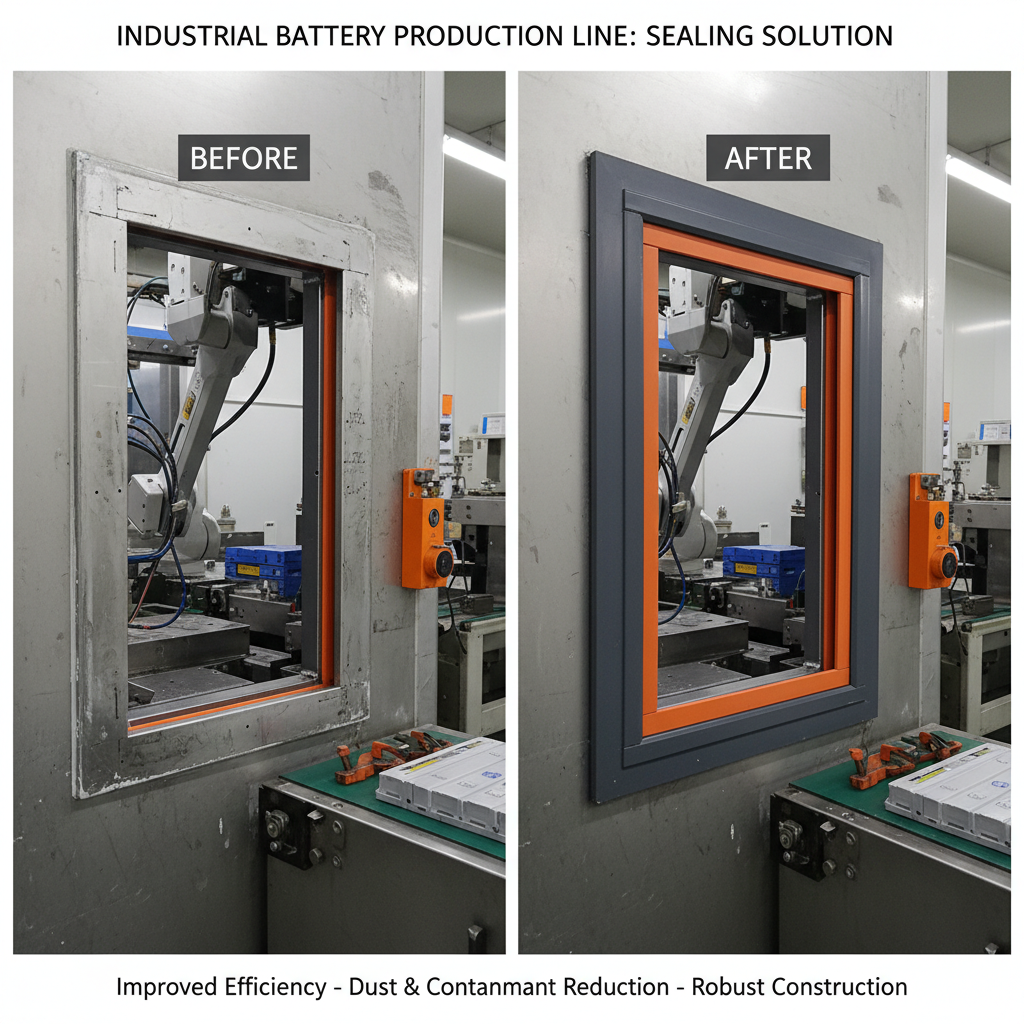
From a cost perspective, the upfront investment in high-quality transparent sealing strip is often offset by reduced maintenance costs and improved energy efficiency. From a sustainability standpoint, a durable seal reduces the need for frequent replacements, minimizing waste.
But it’s not just about the tangible benefits. It's about peace of mind. Knowing that the seal is reliable and visually verifiable builds trust with clients and reduces the risk of costly failures down the line. That's something you can't put a price on.
Future Trends and Innovations
We're starting to see the development of self-healing sealing strips – materials that can automatically repair minor punctures or tears. That’s a huge step forward in terms of long-term durability. There’s also research into incorporating sensors into the strips to monitor seal integrity in real-time.
The integration of digital technologies—like QR codes embedded in the strips for tracking and maintenance records—is another trend to watch. And, as building codes become more stringent, I expect to see a greater emphasis on materials that contribute to net-zero energy buildings, and these transparent strips will play a key role.
I am also observing a move toward bio-based and recyclable materials for sealing strips, driven by the increasing demand for sustainable construction practices.
Key Comparison of Transparent Sealing Strip Characteristics
| Material Composition |
UV Resistance Rating (1-10) |
Flexibility Score (1-10) |
Average Lifespan (Years) |
| Modified Acrylic |
8 |
9 |
15 |
| Silicone Polymer |
9 |
7 |
20 |
| Hybrid Polymer |
7 |
8 |
18 |
| Polyurethane |
6 |
6 |
10 |
| Advanced Acrylic Blend |
9 |
9 |
22 |
| Bio-Based Polymer |
7 |
7 |
12 |
FAQS
Caulk is prone to cracking, shrinking, and losing adhesion over time, especially with temperature fluctuations and UV exposure. Transparent sealing strip, formulated with advanced polymers, offers significantly better flexibility, UV resistance, and adhesion, resulting in a much longer-lasting and reliable seal. It’s designed to move with the building, not against it.
Absolutely. High-quality transparent sealing strips are specifically engineered to withstand extreme temperatures, UV radiation, and moisture exposure. Look for products that are certified for outdoor use and have a proven track record in similar climates. Proper surface preparation is still crucial for optimal adhesion.
Transparent sealing strip generally adheres well to a variety of surfaces, including glass, metal, concrete, wood, and many plastics. However, it’s essential to ensure the surfaces are clean, dry, and free of contaminants like dust, oil, and old sealant before application. Primers may be needed for certain surfaces.
The transparency allows for visual inspection of the seal's condition. You can easily identify any gaps, cracks, or areas where adhesion is failing, enabling proactive repairs before minor issues become major problems. This significantly reduces the risk of water damage and energy loss.
The lifespan varies depending on the specific product, the environmental conditions, and the quality of the installation. However, high-quality transparent sealing strips can typically last 15-20 years or even longer with proper maintenance. Regular inspection is recommended to identify and address any potential issues.
Generally, the application requires standard tools like a caulking gun, a utility knife, and cleaning supplies. Some specialized tools, such as smoothing tools, can help achieve a cleaner, more professional finish. It's relatively straightforward compared to many other sealing methods, requiring minimal specialized training.
Conclusion
Ultimately, transparent sealing strip represents a significant advancement in sealing technology. It’s not just about patching gaps; it's about creating durable, reliable, and visually verifiable seals that contribute to building longevity, energy efficiency, and overall quality. It's a small component, but one that has a big impact.
As the construction industry continues to evolve, embracing innovative solutions like these will be crucial for meeting the challenges of sustainability, affordability, and resilience. If you’re looking for a sealing solution that delivers long-term performance and peace of mind, I highly recommend exploring the possibilities with transparent sealing strip.