lole jute
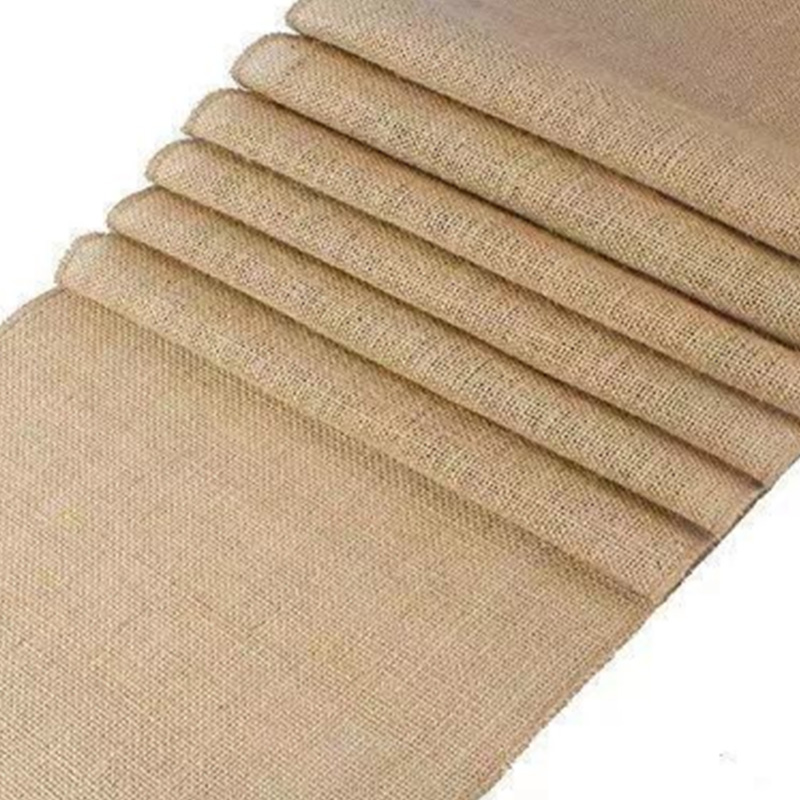
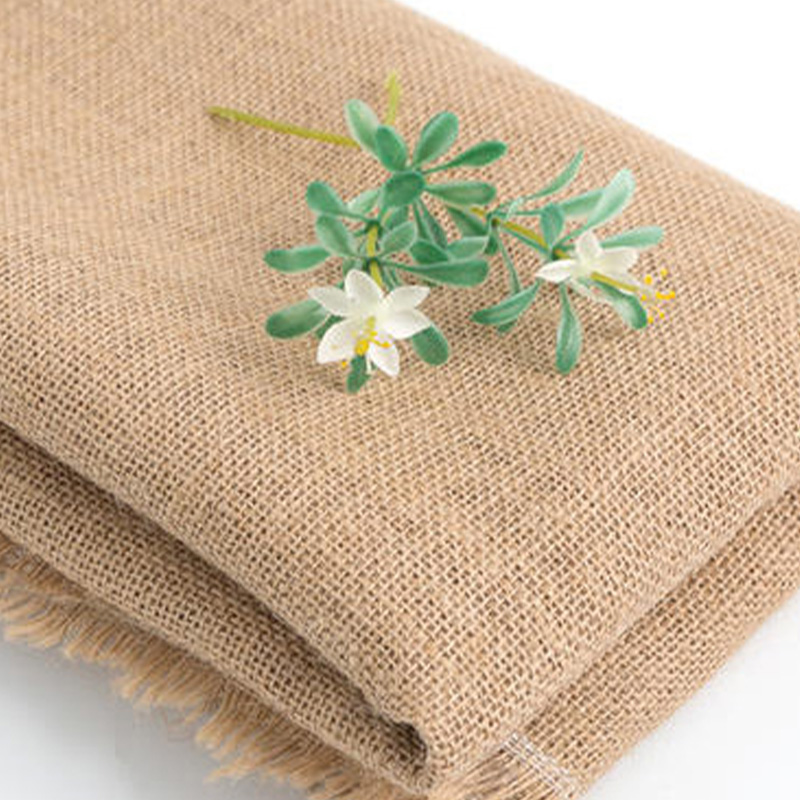
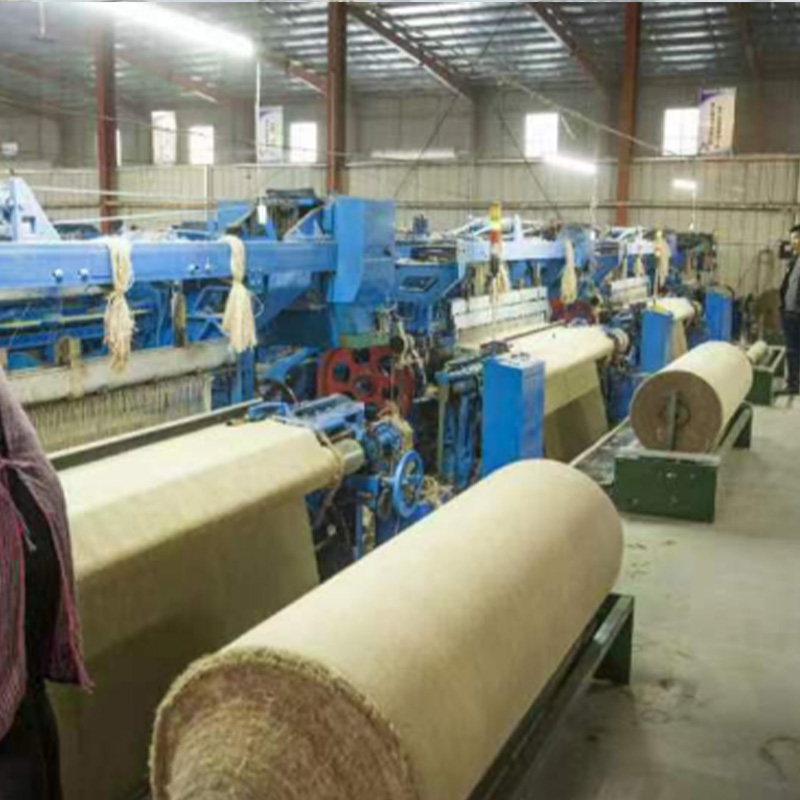
Jute fabric is a type of natural fabric made from the fibers of the jute plant. Jute fabric is a type of textile fiber made from the jute plant. While there are a few different botanical varieties of jute, one of the main species used to make jute fabric is Corchorus olitorius (white jute).The jute plant consists of long, soft, lustrous plant fibers that can be spun into thick, strong yarns. These fibers are often used to make burlap, a coarse, inexpensive material used for bags, sacks and other industrial purposes.
Nā ʻano | Laulā | Hoʻopili |
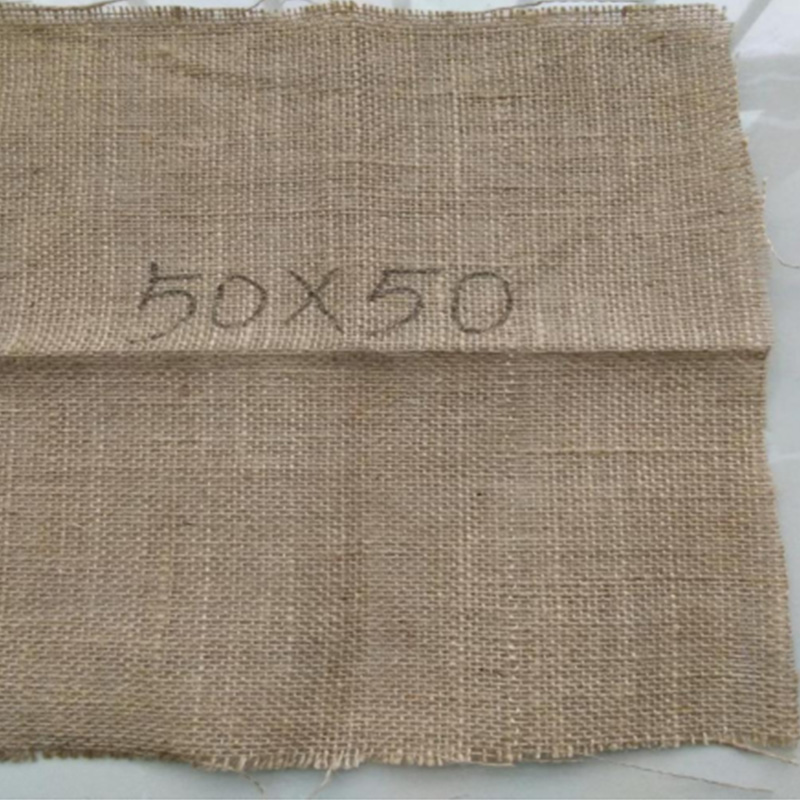
50*50 | 160cm | 100m/roll |
35*35 | 100cm/114cm | 100m/roll |
40*40 | 160cm | 100m/roll |
60*60 | 160cm | 100m/roll |
He aha nā mea e hoʻohana ai i ka lole jute?
ʻO kekahi o nā mea maʻamau o ka lole jute e hoʻohana ʻia i loko o nā ʻeke a me nā ʻeke. He mea kaulana nā ʻeke jute i ka ʻoihana mahiʻai no ka mālama ʻana a me ka lawe ʻana i nā mea kanu, a me ka ʻoihana kūkulu hale, kahi e hoʻohana ʻia ai e lawe i nā mea kaumaha. Ua kaulana nā ʻeke jute e like me nā ʻeke kūʻai, nā ʻeke kahakai a me nā ʻeke tote ma muli o ko lākou ikaika, lōʻihi a me ke ʻano kūlohelohe.
Hoʻohana ʻia ka lole jute i ka ʻoihana hana e hana i nā lole a me nā mea pono. ʻO ka lole jute he manaʻo kūlohelohe, a kaulana loa i nā hoʻolālā bohemian a me ka rustic. ʻO nāʻaʻahu jute, nāʻaʻahu a me nāʻaʻahu he meaʻoluʻolu, māmā a me ka hanu, e kūpono iā lākou no nā piʻi mahana. He kaulana nō hoʻi nā kāmaʻa jute a me nā kāmaʻa, ʻoi loa i nā mahina kauwela.
In addition to bags, clothing and shoes, jute fabric is also used to make rugs and other household items. Jute rugs are popular in home décor because of their natural, rustic look and durability. They are often used in high-traffic areas of the home, such as entryways, hallways and living rooms. Jute fabric can also be used to make curtains, tablecloths and other household items, adding a natural and eco-friendly touch to any home.
Nūhou


