
Jute is a natural fiber popularly known as the golden fiber. It is one of the cheapest and the strongest of all natural fibers and considered as fiber of the future. Jute is second only to cotton in world's production of textile fibers. The jute fiber is also known as Pat, kosta, Nalita, Bimli or Mesta (kenaf).
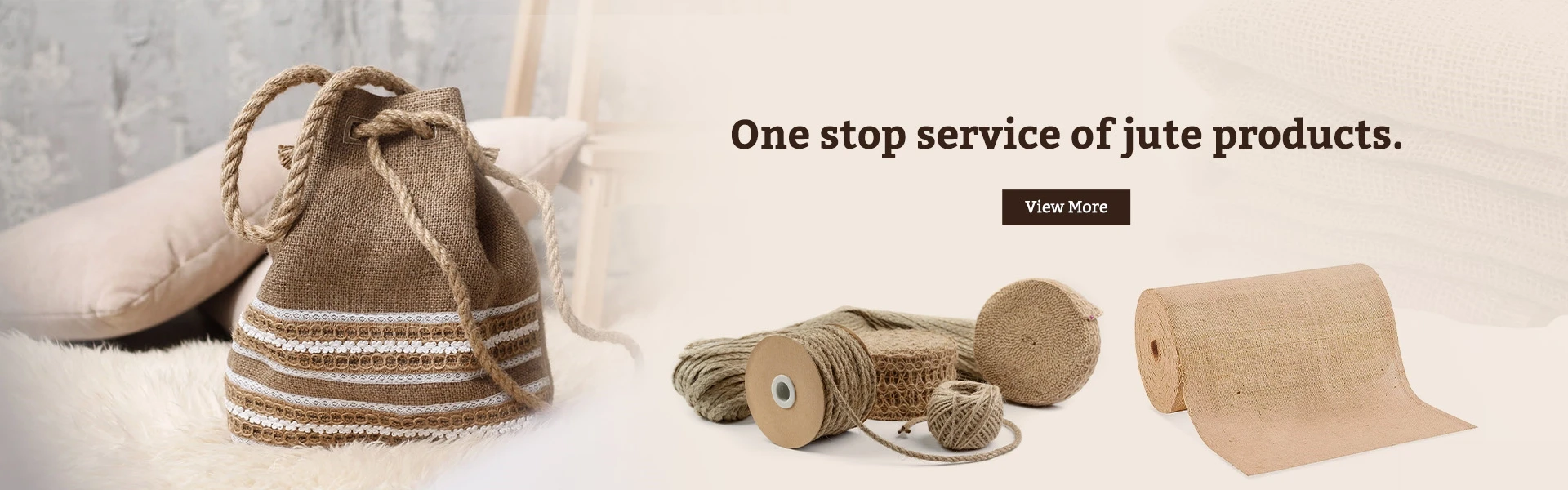
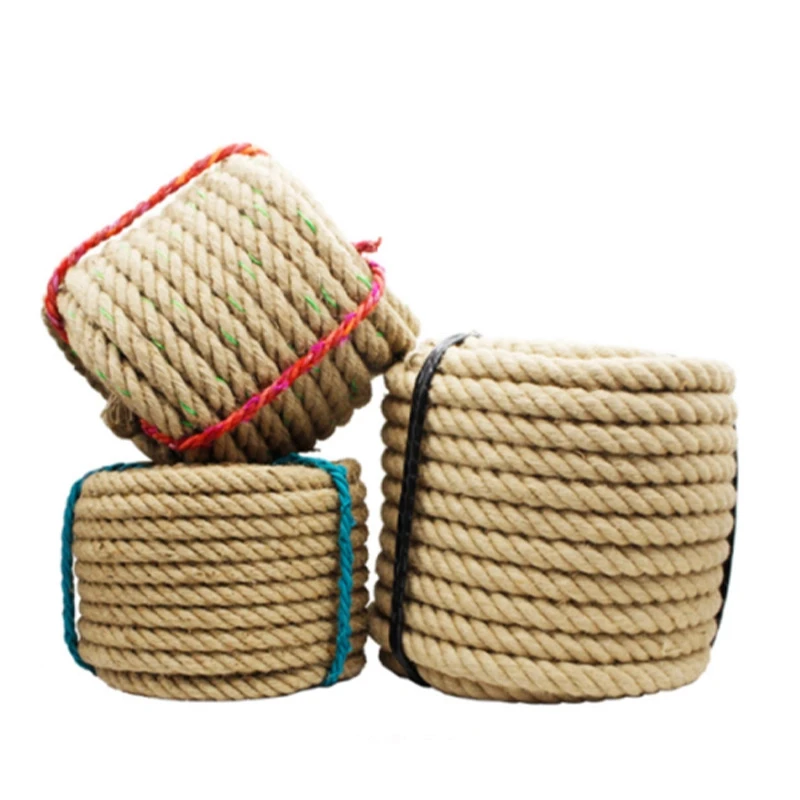
Jute is not only a major textile fibre but also a raw material for non traditional and value added non-textile products. Jute is used extensively in the manufacture of different types of traditional packaging fabrics, manufacturing Hessian, saking, carpet backing, mats, bags, tarpaulins, ropes and twines. Recently jute fibers are used in a wide range of diversified products: decorative fabrics, chic-saris, salwar kamizes, soft luggage's, footwear, greeting cards, molded door panels and other innumerable useful consumer products. Supported by several technological developments today jute can be used to replace expensive fibers and scare forest materials.
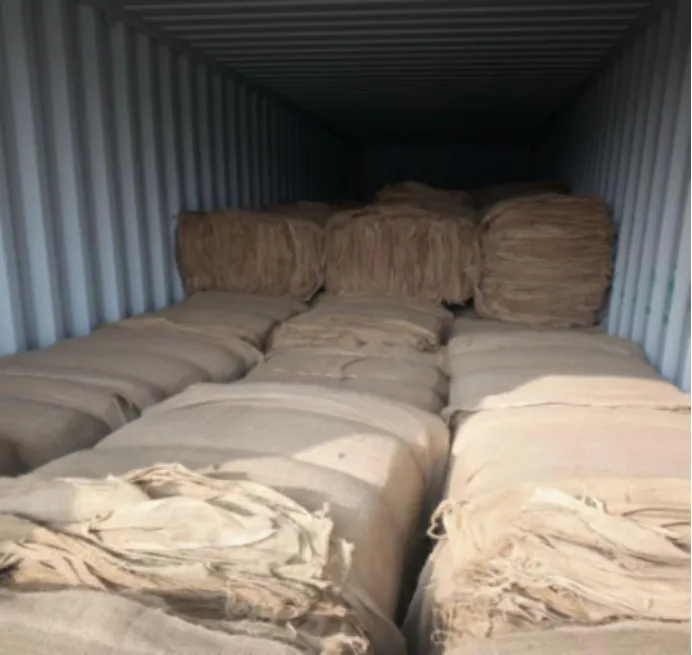
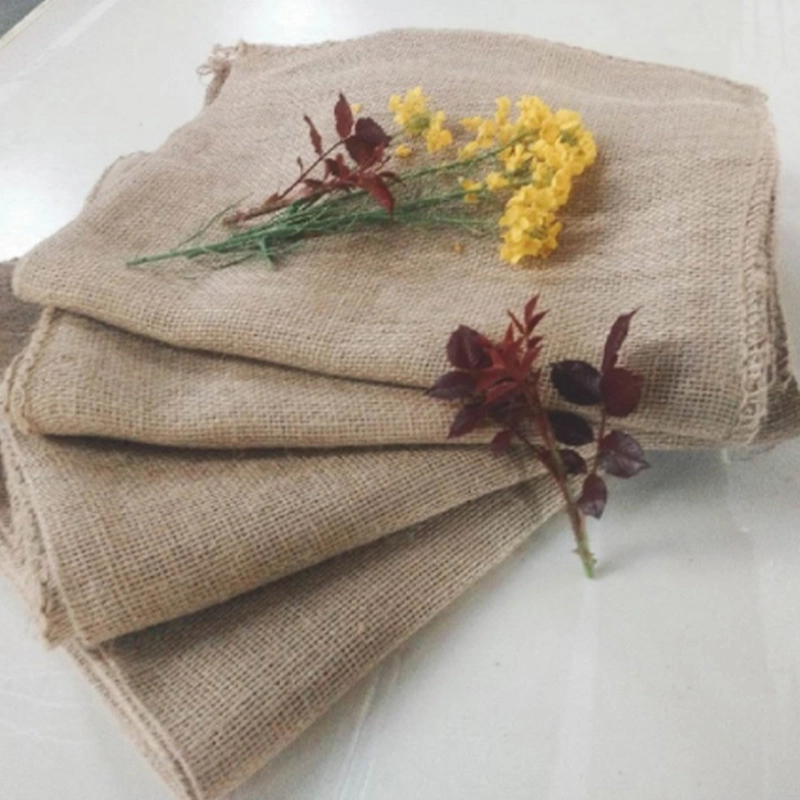
Jute sacks/burlap bag/gunny bag
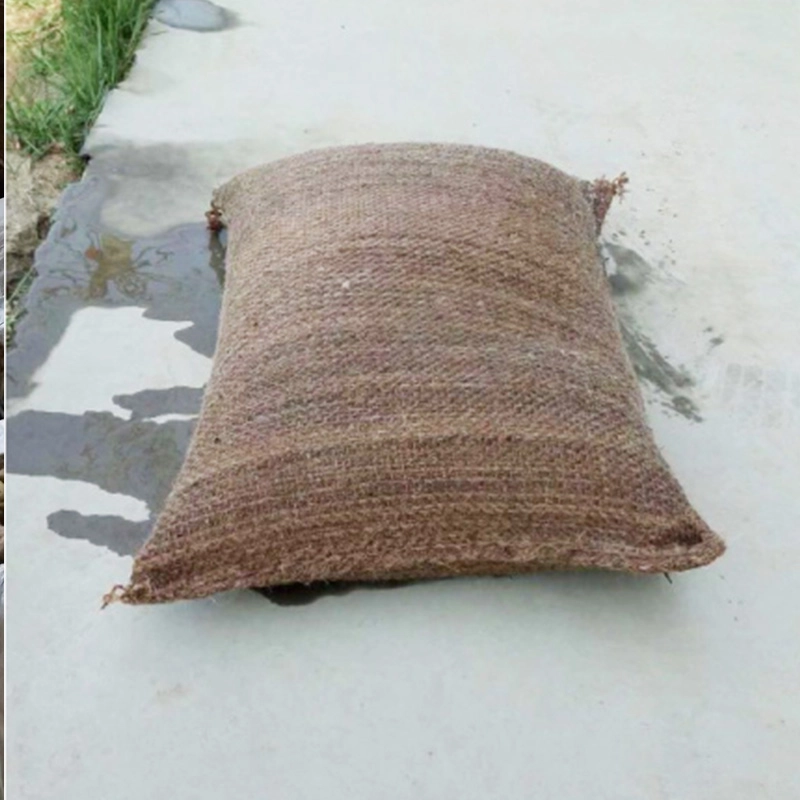
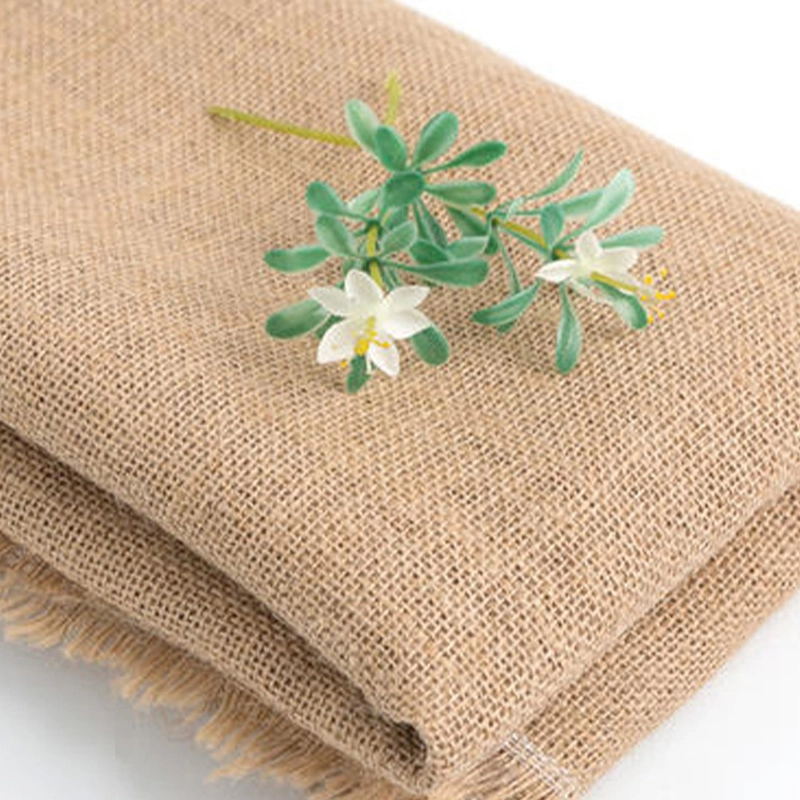
He aha ka Jute?
Ua hana nui nā ʻeke plastik i ka haumia o ke kaiapuni. ʻOiai lōʻihi lākou, ʻaʻole biodegradable lākou e aneane hiki ʻole ke hoʻolei palekana. ʻO nā mea noiʻi a me nā ʻepekema ua hana luhi ʻole e ʻimi i nā fibers ʻē aʻe e hiki ke hoʻololi ʻaʻole i ka plastic wale nō akā i nā fiber synthetic ʻē aʻe me ka ʻole o ka pōʻino o ke kaiapuni.
Jute, also known as the “golden fibre’ – is a natural fibre that has provided a reprieve. It’s used to make a variety of items which include sacks, curtains, furniture accessories and rustic looking ʻeke jute.
The fibre is made from plants with long, soft and shiny fibres spun into strong but coarse threads. This one-of-a-kind fibre which is second to cotton in terms of production provides an alternative to synthetic fibres and materials like plastic.
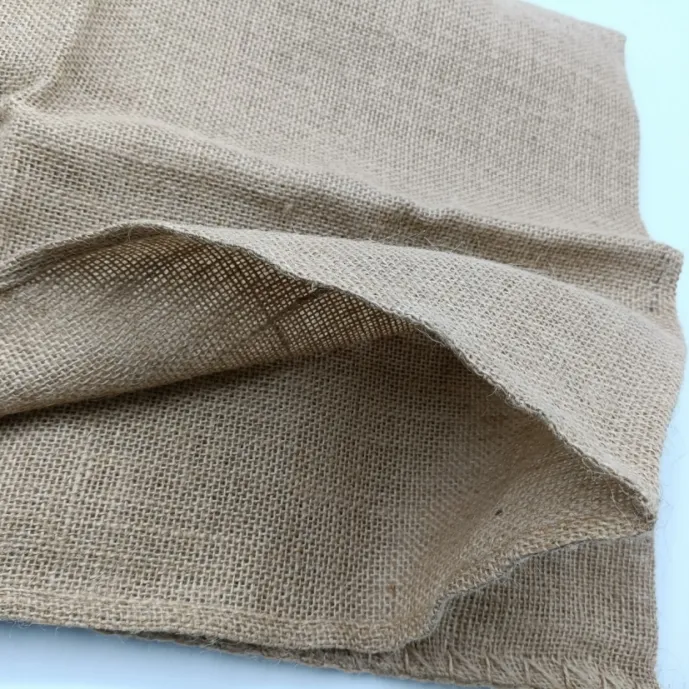
Jute Types
New burlap bag with one green strip: 75CM * 110CM Weight: approximately 1000g each
New burlap bag with one green strip: 74CM * 105CM Weight: Approximately 600g each
ʻeke burlap hou: 74CM * 105CM Kaumaha: Ma kahi o 850g kēlā me kēia.
ʻeke burlap hou: 60CM * 100CM Kaumaha: ma kahi o 480g kēlā me kēia
New burlap bag (thick burlap bag) : 60CM * 100CM Weight: approximately 600g each
ʻeke burlap hou (medium nui): 60CM * 90CM Kaumaha: ma kahi o 450g kēlā me kēia
New burlap bag (thick burlap bag) : 60CM * 90CM Weight: approximately 580g each
ʻeke burlap hou (medium size): 50CM * 74CM Kaumaha: Ma kahi o 300g kēlā me kēia
ʻeke burlap hou (liʻiliʻi liʻiliʻi): 40CM * 60CM Kaumaha: ma kahi o 200g kēlā me kēia
90% new burlap bag (large size) : 74CM * 107CM Weight: approximately 850g each
Large patch burlap bag (large size) : 74CM * 107CM Weight: Approximately 850g each
Small patch burlap bag (large size) : 74CM * 107CM Weight: Approximately 850g each
ʻeke ʻeke ʻeke kahiko (nui nui): 75CM * 110CM Kaumaha: ma kahi o 1000g kēlā me kēia.
nā kikoʻī ʻeke burlap mai ka nui a i ka liʻiliʻi.
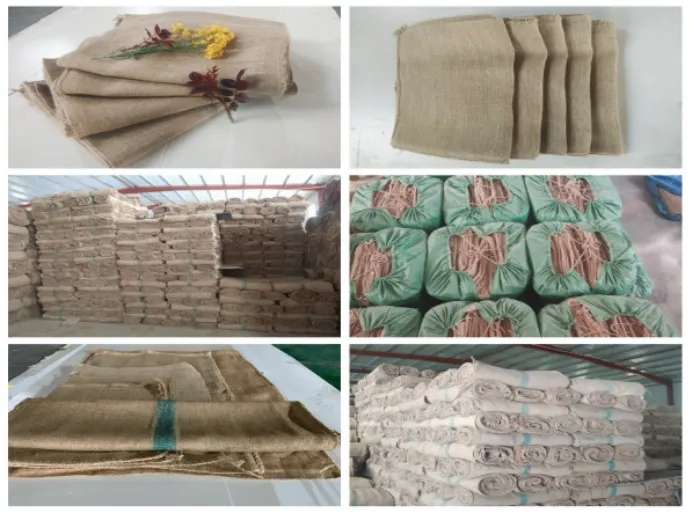
ʻeke ʻeke burlap maʻamau maʻamau: 107 * 74cm.
ʻO ka laulā kūpono: hoʻohana mau ʻia e paʻa i nā pīni a me nā pīni, no ka pale ʻana a me ka hoʻomalu ʻana i ka wai;
Small burlap bag :50 * 70cm.Applicable range: commonly used as flood prevention burlap bag, flood prevention burlap bag, and glass ball burlap bag;
Small burlap bag: 40 * 60cm.Scope of application: commonly used for hardware packaging such as screws and nuts;
Small burlap bag:30 * 50cm. Applicable range: commonly used for hardware packaging and soil filling;
Customizable size according to requirements.