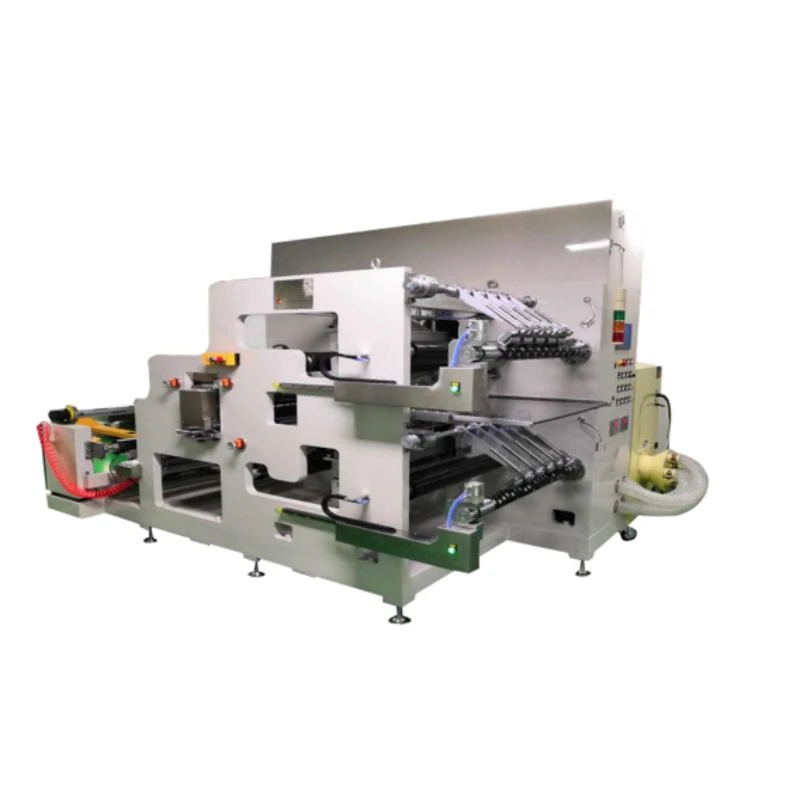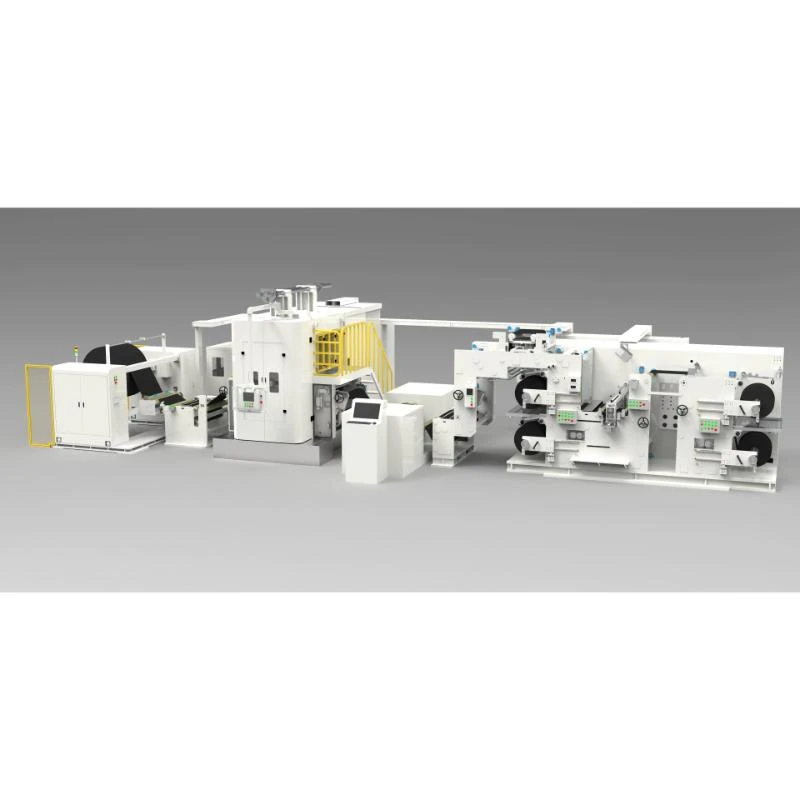

Advanced lithium ion battery assembly line Solutions for Austria's Energy Sector

Driving the future of sustainable energy in Central Europe with precision engineering and automated battery manufacturing systems.

Advanced lithium ion battery assembly line Solutions for Austria's Energy Sector

Integrating high-precision automation and sustainable manufacturing to optimize battery cell production for the Austrian automotive and industrial markets.

The State of Battery Manufacturing in Austria

Analyzing the synergy between Austrian precision engineering and the surge in EV infrastructure.

Austria has emerged as a strategic hub for green technology in Europe, leveraging its strong mechanical engineering tradition. The current landscape for the lithium ion battery assembly line is characterized by a transition toward Industry 4.0, where Austrian firms are integrating AI-driven quality control to meet rigorous EU safety standards.

Economic factors and the Alpine climate necessitate batteries with high thermal stability. Consequently, local manufacturers are focusing on advanced cooling interfaces, often utilizing specialized rubber seal strip components to ensure IP67-rated protection against moisture and extreme temperature fluctuations common in the region.

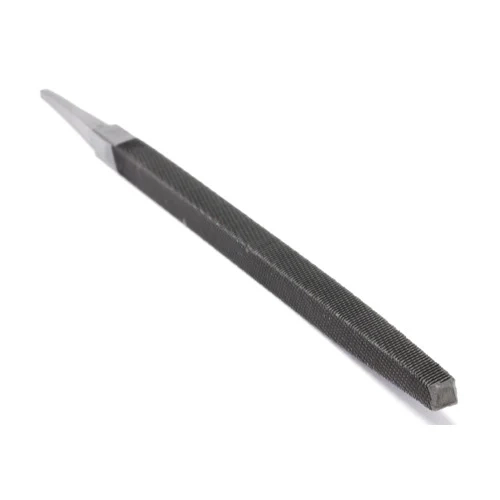
While high-tech automation dominates, the supply chain still integrates traditional industrial tools. From precision finishing with steel files in prototype workshops to the use of sustainable jute bags for eco-friendly packaging of raw materials, the industry balances cutting-edge tech with European sustainability mandates.

Evolution and Trajectory of Battery Production

From manual cell assembly to fully autonomous gigafactory synchronization.

Market Development History

Between 2010 and 2015, battery production in Austria was primarily focused on niche industrial applications and small-scale prototypes, relying heavily on manual labor and basic mechanical tools for housing adjustment.

From 2016 to 2021, the "EV Revolution" shifted the focus toward scale. This period saw the introduction of semi-automated lines, where modularity became key, allowing factories to pivot between different cell chemistries quickly.

Since 2022, the industry has entered the era of Hyper-Automation. The integration of digital twins and IoT allows Austrian manufacturers to predict failures before they occur, optimizing the throughput of the entire assembly process.

Future Development Trends

Solid-State Integration

The shift from liquid electrolytes to solid-state batteries will require a complete redesign of the assembly line, focusing on high-pressure lamination and dry-room environments.

Circular Economy Loops

Google search trends indicate a massive spike in "battery recycling technology" within the EU, leading to lines that can both assemble and disassemble packs for material recovery.

AI-Driven Precision

Machine learning will replace traditional sampling methods, enabling 100% real-time inspection of weld quality and electrode alignment via high-speed computer vision.

Industry Trends and Future Outlook

Navigating the complexities of the next-generation energy storage landscape.

Carbon-Neutral Manufacturing
Implementing closed-loop energy systems to ensure the battery production process itself is carbon-neutral.
Modular Assembly Architecture
Developing flexible lines that can switch between LFP and NMC chemistries without extensive downtime.
Predictive Quality Analytics
Utilizing big data to analyze cell performance during assembly to reduce waste and improve yield.
Supply Chain Localization
Reducing reliance on overseas raw materials by fostering a local European lithium processing ecosystem.

Industry Outlook

The next 3-5 years will witness a surge in localized "micro-factories" across Austria, designed to provide just-in-time battery packs for specialized alpine machinery and urban e-mobility projects.

As regulatory pressure increases, we expect a transition toward "Battery Passports," requiring the assembly line to digitally record the origin and chemistry of every single cell used in a pack.

Localized Application Scenarios in Austria

Practical deployments of battery assembly technology across diverse Austrian sectors.

01. Alpine Electric Vehicle Power-packs

Designing high-torque battery systems for mountain transport, utilizing reinforced casing and vibration-resistant mounting for rugged terrains.

02. Industrial Energy Storage for Vienna's Grid

Large-scale ESS (Energy Storage Systems) assembly to stabilize urban grids, incorporating advanced fire-suppression seals for safety.

03. Specialized Agricultural E-Machinery

Custom battery lines for electric tractors and vineyard machinery, focusing on modularity and easy field-replacement.

04. Aerospace Battery Modules for UAVs

High-energy-density assembly for Austrian aerospace startups, prioritizing lightweight materials and extreme precision.

05. Luxury E-Mobility for Tourism

Customized power solutions for electric shuttles in ski resorts, ensuring high performance in sub-zero temperatures.

Brand Story

Global Development Journey of Xingtai Shuoding Trading Co., Ltd.

Foundational Precision

Started with a commitment to high-quality industrial tools, ensuring that every component met the strictest engineering tolerances.

Diversification Era

Expanded from basic tooling to specialized industrial components, bridging the gap between raw materials and finished machinery.

Automation Leap

Invested in R&D for automated assembly systems, specifically targeting the booming lithium battery market in Europe.

European Expansion

Established strategic partnerships in Austria and Germany to localize support for high-tech battery assembly lines.

Sustainable Future

Now focusing on the "Green Factory" concept, integrating recycled materials and energy-efficient production lines globally.

Complete Product Portfolio for the Austrian Market

A comprehensive range of equipment and consumables tailored for the battery and industrial sectors.

Frequently Asked Questions - Austria Region

Expert answers to common technical and logistical queries regarding battery assembly.

How does the lithium ion battery assembly line comply with EU safety regulations?

Our lines are engineered to meet CE certification and ISO standards, incorporating automated safety shut-offs and precision monitoring to ensure every cell meets the strict European safety directives.

Can we customize the rubber seal strip for extreme Alpine weather?

Yes, we provide specialized EPDM and silicone compounds that maintain elasticity and sealing properties in temperatures ranging from -40°C to +120°C, ideal for Austrian climate conditions.

What are the benefits of using jute bags for industrial raw material transport?

Our biodegradable jute bags offer a sustainable alternative for transporting non-sensitive raw minerals, aligning with Austria's commitment to reducing single-use plastics in the supply chain.

Are steel files still relevant in modern automated battery factories?

While automation handles bulk production, high-grade steel files are essential for precision manual adjustments during the prototyping and maintenance of customized assembly jigs.

Is it possible to integrate pet snacks production equipment in the same facility?

While we offer a variety of industrial products including those for pet snacks, we strictly recommend separate clean-room environments for battery assembly to avoid contamination.

What is the lead time for installing a full battery assembly line in Vienna?

Depending on the complexity and customization, lead times typically range from 4 to 8 months, including site preparation, installation, and staff training.

Ready to Optimize Your Production?

Contact our technical experts today for a tailored consultation on battery manufacturing and industrial supplies in Austria.

Contact Us Now

If you are interested in our products, you can choose to leave your information here, and we will be in touch with you shortly.