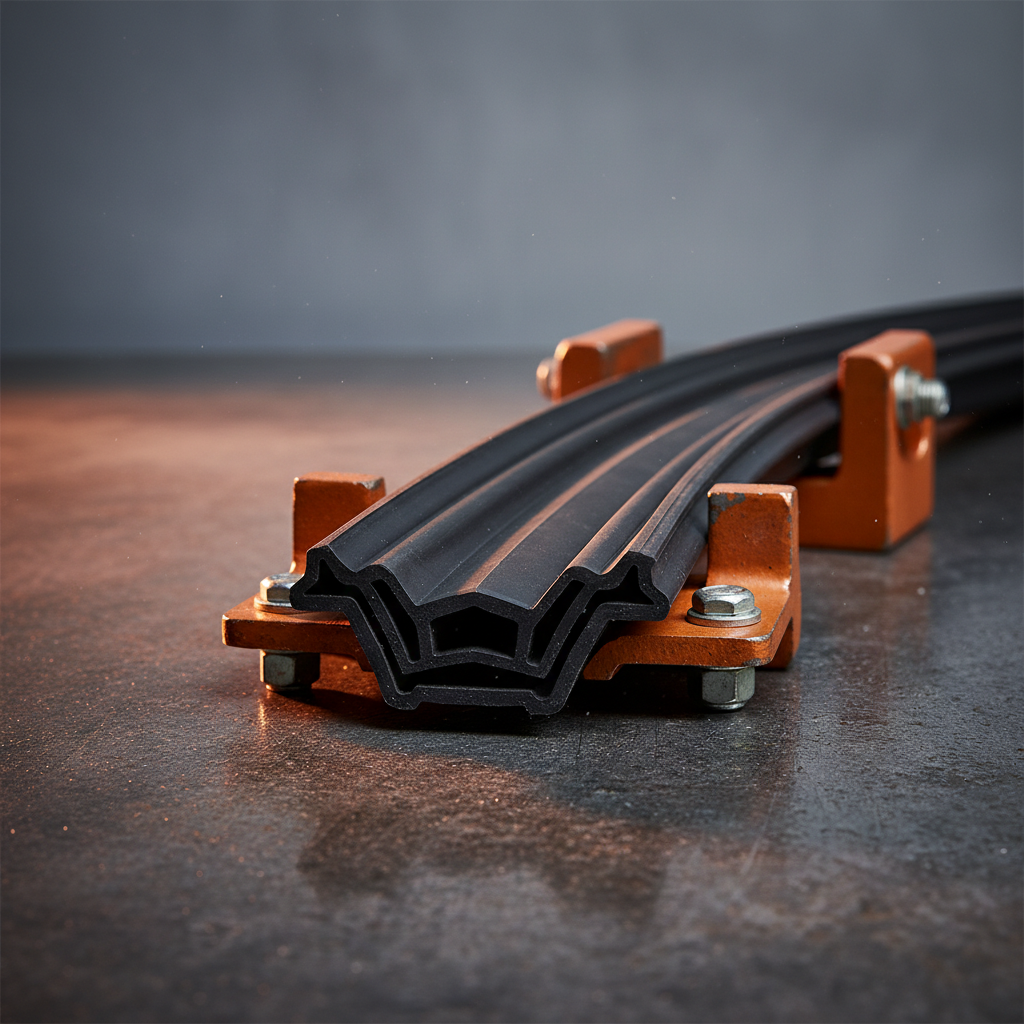
Foam sealing strip is a versatile material crucial for a wide range of applications, from construction and automotive industries to everyday household use. Its ability to effectively block air, water, dust, and noise makes it indispensable for enhancing energy efficiency, improving product quality, and ensuring comfort. Understanding the properties and applications of foam sealing strip is becoming increasingly important as global demands for sustainability and cost-effectiveness rise.
The global market for foam sealing strip is experiencing significant growth, driven by factors such as increasing construction activities, stringent energy conservation regulations, and growing awareness of the benefits of soundproofing. According to industry reports, the market is projected to reach substantial figures in the coming years, highlighting its economic importance. This growth necessitates a comprehensive understanding of the material’s diverse types, properties, and optimal applications.
Addressing challenges like air leakage and noise pollution requires effective sealing solutions. Foam sealing strip provides a cost-effective and readily available solution, contributing significantly to building performance and overall quality of life. Its adaptability and ease of installation make it a preferred choice for professionals and DIY enthusiasts alike.
Introduction to Foam Sealing Strip
Foam sealing strip serves as a critical component in minimizing gaps and openings in various structures and products. Its primary function is to create an airtight and watertight barrier, significantly reducing energy loss and preventing the ingress of external elements. This makes it a cornerstone of modern construction and manufacturing processes.
The selection of the right foam sealing strip depends on the specific application and environmental conditions. Factors such as temperature resistance, UV stability, and compression set are essential considerations. Different foam materials, including polyethylene, neoprene, and silicone, offer varying performance characteristics to suit diverse needs.
Global Relevance and Industry Context
The need for effective sealing solutions is a global concern. Buildings account for a significant portion of worldwide energy consumption, and air leakage is a major contributor to energy waste. Foam sealing strip plays a vital role in addressing this issue, aligning with international sustainability goals such as those set by the United Nations Sustainable Development Goals (SDGs), particularly SDG 7 (Affordable and Clean Energy) and SDG 9 (Industry, Innovation and Infrastructure).
The construction industry worldwide is under increasing pressure to adopt eco-friendly practices. This has led to a surge in demand for materials like foam sealing strip that contribute to energy efficiency and reduce carbon emissions. Regulations like the Energy Performance of Buildings Directive (EPBD) in Europe and similar standards in other regions are driving the adoption of high-performance sealing solutions.
Moreover, the automotive industry relies heavily on foam sealing strip for noise reduction, vibration dampening, and weatherproofing. As vehicles become more sophisticated and consumer expectations for comfort and fuel efficiency rise, the demand for high-quality sealing materials continues to grow.
Defining Foam Sealing Strip
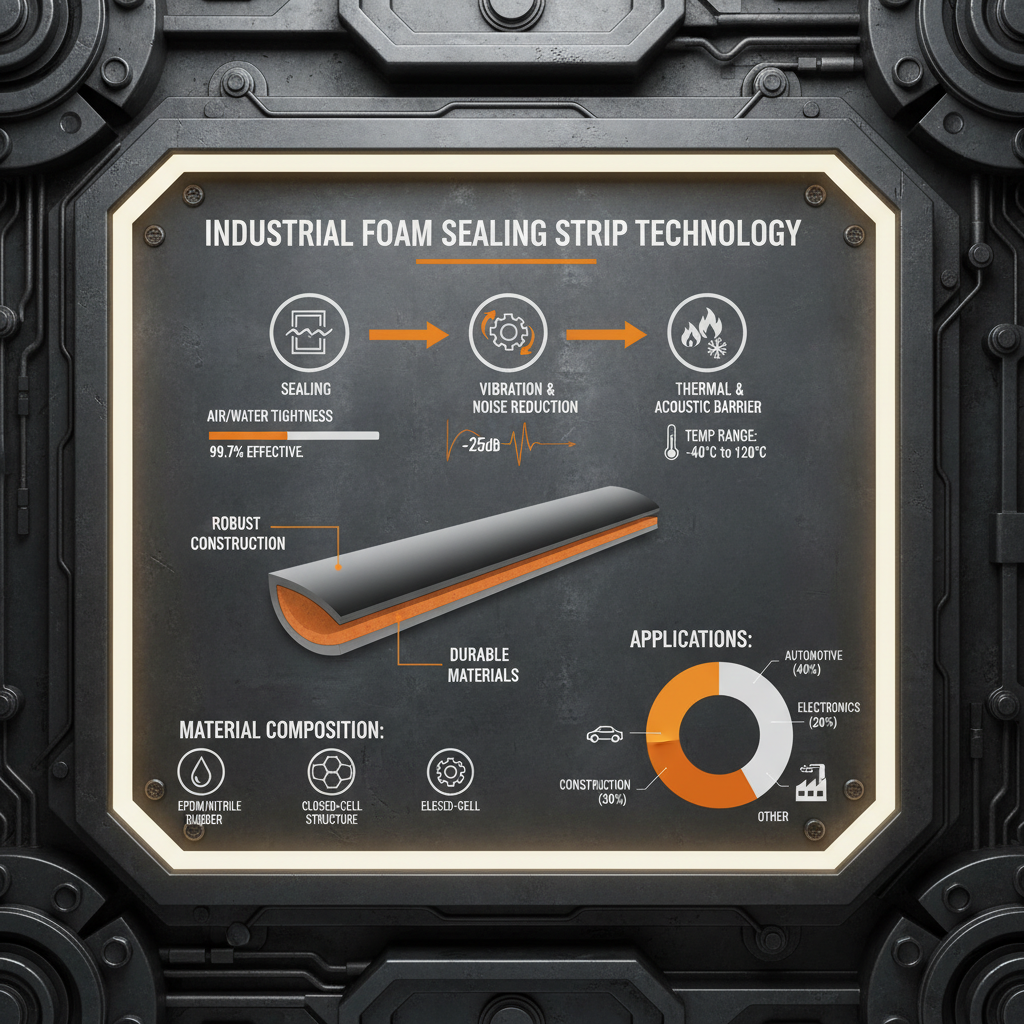
Foam sealing strip is a flexible material designed to fill gaps and create a seal between two surfaces. It’s commonly manufactured from various types of foam, each offering unique properties. These foams include polyethylene (PE), polyurethane (PU), neoprene (CR), ethylene propylene diene monomer (EPDM), and silicone, each suited to different applications and environmental conditions.
The core function of a foam sealing strip extends beyond simply filling gaps. It’s about controlling the transfer of air, water, sound, dust, and light. This makes it integral to maintaining the integrity of structures and ensuring optimal performance in diverse settings, from residential homes to industrial facilities.
Its connection to modern industry and humanitarian needs is profound. In construction, it enhances building energy efficiency and comfort. In manufacturing, it ensures the reliability and longevity of products. In disaster relief, it can be used in temporary shelters to provide insulation and protection from the elements, contributing to basic human needs.
Key Properties of Foam Sealing Strip
Several key properties define the performance and suitability of foam sealing strip for various applications. These include compressibility, which determines its ability to conform to uneven surfaces and maintain a tight seal; density, influencing its durability and resistance to compression set; and temperature resistance, indicating its ability to withstand extreme temperatures without degradation.
Another critical property is UV resistance, especially for outdoor applications. Prolonged exposure to ultraviolet radiation can cause foam to break down and lose its sealing properties. The type of foam material used directly impacts its UV resistance; for instance, silicone foam generally offers superior UV resistance compared to polyethylene foam.
Comparison of Foam Sealing Strip Properties
Applications Across Industries
Foam sealing strip finds widespread use across a multitude of industries. In the construction sector, it’s crucial for sealing windows, doors, and expansion joints to improve energy efficiency and prevent water damage. Automotive manufacturers utilize it for weatherstripping, noise reduction, and vibration damping within vehicle cabins.
The HVAC (Heating, Ventilation, and Air Conditioning) industry relies on foam sealing strip to seal ductwork and prevent air leakage, maximizing system efficiency. In the aerospace industry, specialized foam seals are employed for noise control and temperature regulation within aircraft. These diverse applications demonstrate the material's adaptability and effectiveness.
Advantages and Long-Term Value
The advantages of using foam sealing strip are numerous and span both economic and environmental domains. Cost-effectiveness is a primary benefit, as it provides a relatively inexpensive solution for improving energy efficiency and reducing maintenance costs. Durability and longevity contribute to long-term value, minimizing the need for frequent replacements.
From a sustainability perspective, foam sealing strip reduces energy consumption, thereby lowering carbon emissions. It also enhances indoor air quality by preventing the ingress of pollutants. The contribution to a more comfortable and healthier environment strengthens its appeal, fostering trust and brand loyalty.
Future Trends and Innovations
The future of foam sealing strip is poised for innovation, driven by advancements in materials science and a growing focus on sustainability. Research into bio-based and recycled foam materials is gaining momentum, aiming to reduce the environmental footprint of these products. Nanotechnology is also being explored to enhance properties like thermal insulation and sealing performance.
The integration of smart technologies, such as sensors embedded within foam seals to detect leaks or monitor performance, is another emerging trend. These ‘smart seals’ could provide real-time data for predictive maintenance and optimized energy management. Digital transformation and automation in manufacturing processes are also streamlining production and enhancing quality control.
Furthermore, developments in adhesive technology are improving the bonding strength and durability of foam sealing strips, expanding their applications in demanding environments. The trend towards building information modeling (BIM) is also driving demand for precise and reliable sealing solutions that can be seamlessly integrated into digital building designs.
FAQS
The most common foam types are polyethylene (PE), polyurethane (PU), neoprene (CR), and silicone. PE is cost-effective for general applications, PU offers good resilience, neoprene excels in weather resistance, and silicone provides superior temperature and UV resistance. The best choice depends on the specific application requirements.
The appropriate thickness depends on the gap size you need to seal. Measure the gap accurately. Generally, the strip should be slightly thicker than the gap to ensure a good compression fit. Consider the compression set of the foam; it will compress over time. Thicker strips are often used for larger gaps or applications requiring higher compression resistance.
While foam sealing strip provides good water resistance, it’s not always completely waterproof. Closed-cell foams like neoprene and silicone offer better water resistance than open-cell foams like polyethylene. The effectiveness also depends on the compression and proper installation. For truly waterproof seals, consider combining foam with additional waterproofing measures.
The lifespan varies greatly depending on the foam type, environmental conditions, and application. PE and PU foams typically last 5-10 years, while neoprene and silicone can last 10-20 years or more. UV exposure, temperature fluctuations, and compression set can all affect lifespan. Regular inspection and replacement when necessary are recommended.
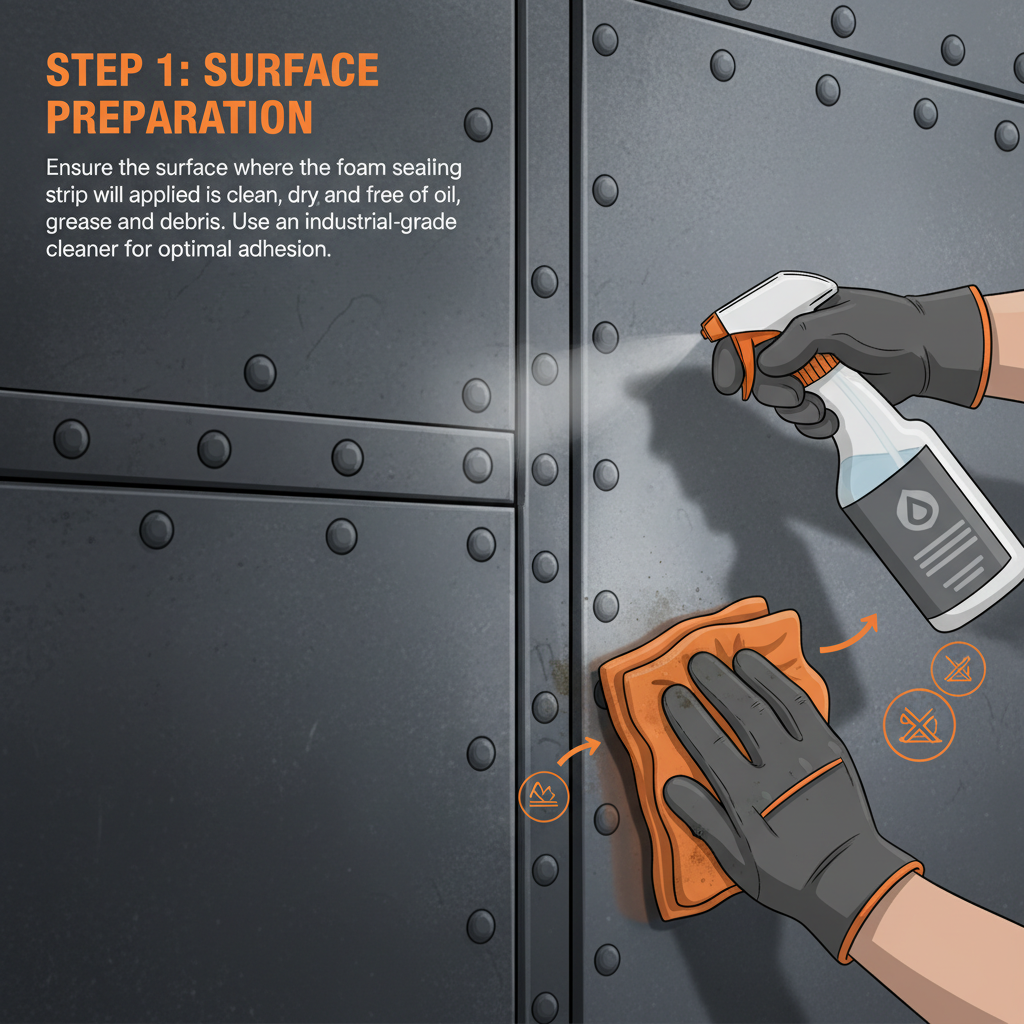
Proper installation is crucial for optimal performance. Clean the surfaces thoroughly before applying the strip. Ensure the surfaces are dry and free of dust or debris. Peel off the adhesive backing and carefully apply the strip, pressing firmly to ensure a secure bond. Avoid stretching the strip excessively during installation. Use a roller to ensure complete adhesion.
Some foam sealing strips can be painted, but it's important to use a paint specifically designed for foam. Acrylic or latex paints are generally suitable. Test the paint on a small, inconspicuous area first to ensure it doesn't dissolve or damage the foam. Avoid using solvent-based paints, as they can cause the foam to break down.
Conclusion
In conclusion, foam sealing strip is an indispensable material with a wide range of applications, offering significant benefits in terms of energy efficiency, cost-effectiveness, and environmental sustainability. Its diverse properties and adaptability make it a cornerstone of modern construction, manufacturing, and numerous other industries. Understanding the nuances of foam types, installation techniques, and future innovations is vital for maximizing its potential.
Looking ahead, continued research and development will undoubtedly lead to even more advanced and sustainable foam sealing solutions. Embracing these innovations will be crucial for addressing global challenges related to energy conservation, climate change, and resource management. For high-quality foam sealing strip solutions, visit our website: www.xtshuoding.com