0%

Table of Contents

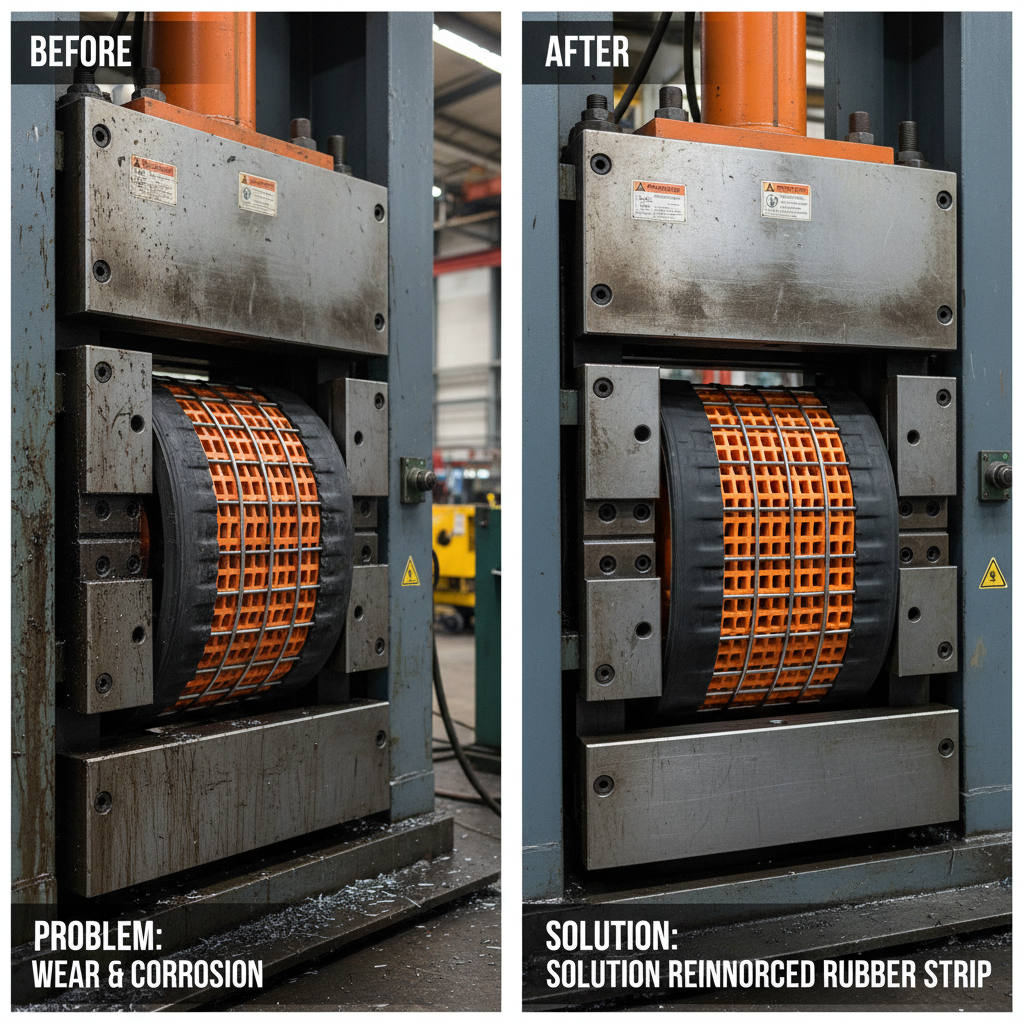
Electrical rubber sealing strip plays a crucial role in modern industries, ensuring safety, efficiency, and longevity of electrical systems. From protecting sensitive components in harsh environments to preventing electrical hazards, these strips are integral to a wide range of applications. Understanding their properties, applications, and future trends is paramount for engineers, technicians, and anyone involved in electrical infrastructure. This knowledge ensures optimal performance, reduces downtime, and minimizes risks associated with electrical failures.

The global demand for robust and reliable electrical sealing solutions is steadily increasing, driven by rapid industrialization, expanding infrastructure projects, and stringent safety regulations. The increasing prevalence of renewable energy sources and the need for efficient energy transmission further exacerbate this demand. Electrical rubber sealing strip, with its adaptability and cost-effectiveness, is positioned to meet these evolving needs, becoming a cornerstone of modern electrical engineering practices.

Investing in the right electrical rubber sealing strip not only enhances the performance and lifespan of electrical equipment but also contributes to a safer and more sustainable future. Proper sealing minimizes energy loss, reduces the risk of short circuits and fires, and promotes environmentally responsible practices. Therefore, a thorough understanding of this often-overlooked component is essential for optimizing electrical systems across diverse sectors.
Essential Guide to Electrical Rubber Sealing Strip Applications and Future Trends

Introduction to Electrical Rubber Sealing Strip

Essential Guide to Electrical Rubber Sealing Strip Applications and Future Trends

Electrical rubber sealing strip is a versatile component used extensively in a multitude of industries, including power generation, transmission, and distribution. It provides a crucial barrier against environmental factors like moisture, dust, and extreme temperatures, safeguarding electrical equipment from damage and ensuring reliable operation. The selection of the appropriate strip is critical for optimal performance and longevity.

These strips are typically made from specialized rubber compounds, often silicone or EPDM, formulated to withstand harsh conditions and maintain their sealing properties over extended periods. Their ability to conform to irregular surfaces and provide a tight, consistent seal makes them ideal for complex electrical enclosures and connections. The effectiveness of an electrical rubber sealing strip often determines the safety and efficiency of the entire system.

Global Relevance and Industry Context

The market for electrical rubber sealing strip is significantly influenced by global industrial growth and infrastructure development, particularly in emerging economies. According to a report by the UN, energy demand is projected to increase by 50% by 2050, driving the need for more robust and reliable electrical grids. This translates into a greater demand for high-quality sealing solutions.

The International Organization for Standardization (ISO) sets stringent standards for electrical safety and performance. Electrical rubber sealing strip plays a vital role in meeting these standards, ensuring that electrical equipment operates safely and efficiently. Non-compliance can result in hefty fines, product recalls, and damage to reputation.

A key challenge facing the industry is the increasing demand for sustainable materials and environmentally friendly manufacturing processes. Traditional rubber compounds often rely on petroleum-based materials. The development of bio-based and recycled rubber options for electrical rubber sealing strip is a growing area of research and development.

Defining Electrical Rubber Sealing Strip

An electrical rubber sealing strip is a flexible barrier created from a rubber compound – typically silicone, EPDM, neoprene, or nitrile – designed to prevent the ingress of moisture, dust, gases, and other contaminants into electrical enclosures, connections, and equipment. They act as a critical component in maintaining the integrity and reliability of electrical systems.

Its connection to modern industry is profound. Virtually every piece of electrical or electronic equipment, from a simple switch to a complex power transformer, relies on some form of sealing to protect against environmental factors. Without effective sealing, these devices would be susceptible to corrosion, short circuits, and premature failure. The quality of the electrical rubber sealing strip directly impacts the safety and efficiency of the entire system.

In terms of humanitarian needs, reliable electrical systems are crucial for disaster relief efforts, powering hospitals, communication networks, and essential infrastructure. Robust electrical rubber sealing strip ensures these systems can withstand harsh conditions and provide a lifeline in times of crisis. This demonstrates the critical role these seemingly small components play in global well-being.

Key Factors of Electrical Rubber Sealing Strip

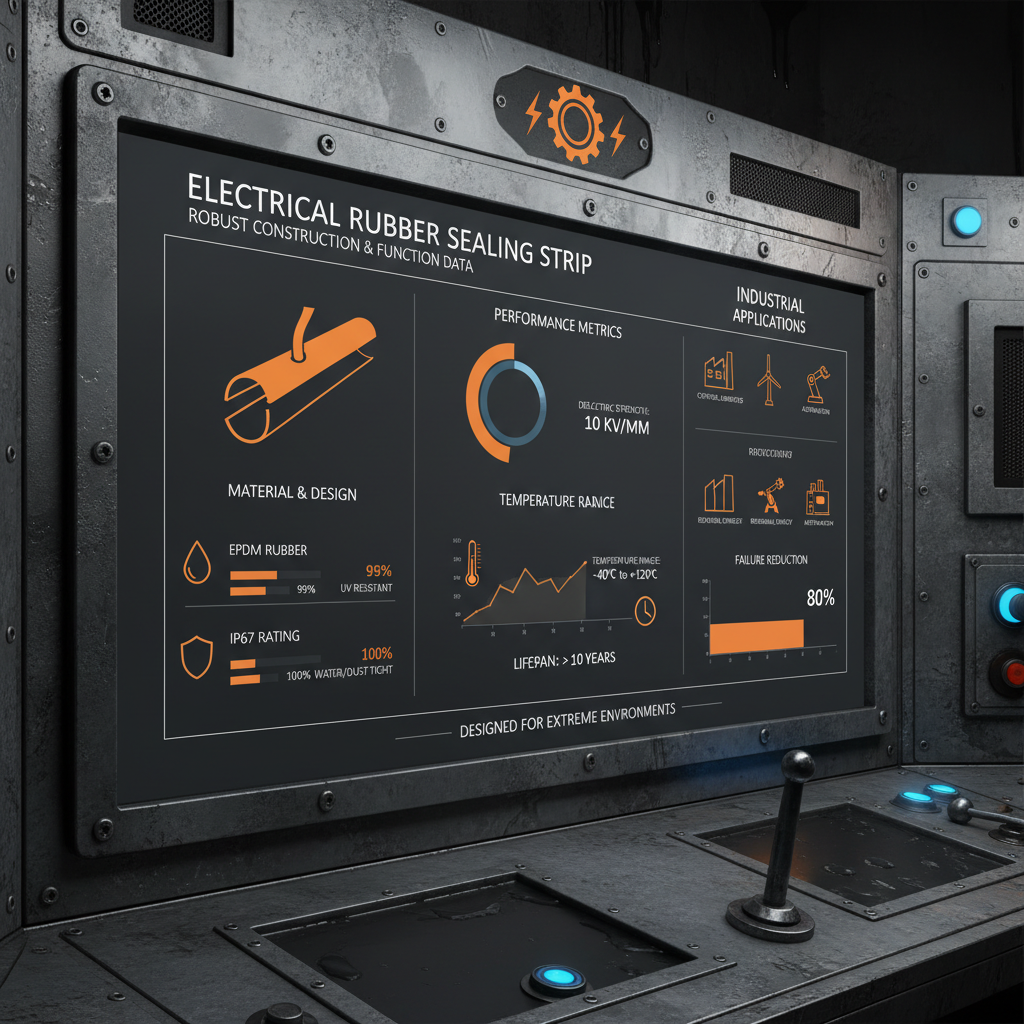
One critical factor is Durability. High-quality electrical rubber sealing strip must withstand prolonged exposure to UV radiation, extreme temperatures, and harsh chemicals without degrading or losing its elasticity. This ensures long-term performance and minimizes the need for frequent replacements.

Electrical Insulation is another key aspect. The rubber compound should possess excellent dielectric properties to prevent electrical leakage and ensure safe operation. The ability to maintain its insulating properties under various conditions is paramount.

Electrical Rubber Sealing Strip Performance Metrics


Global Applications and Use Cases

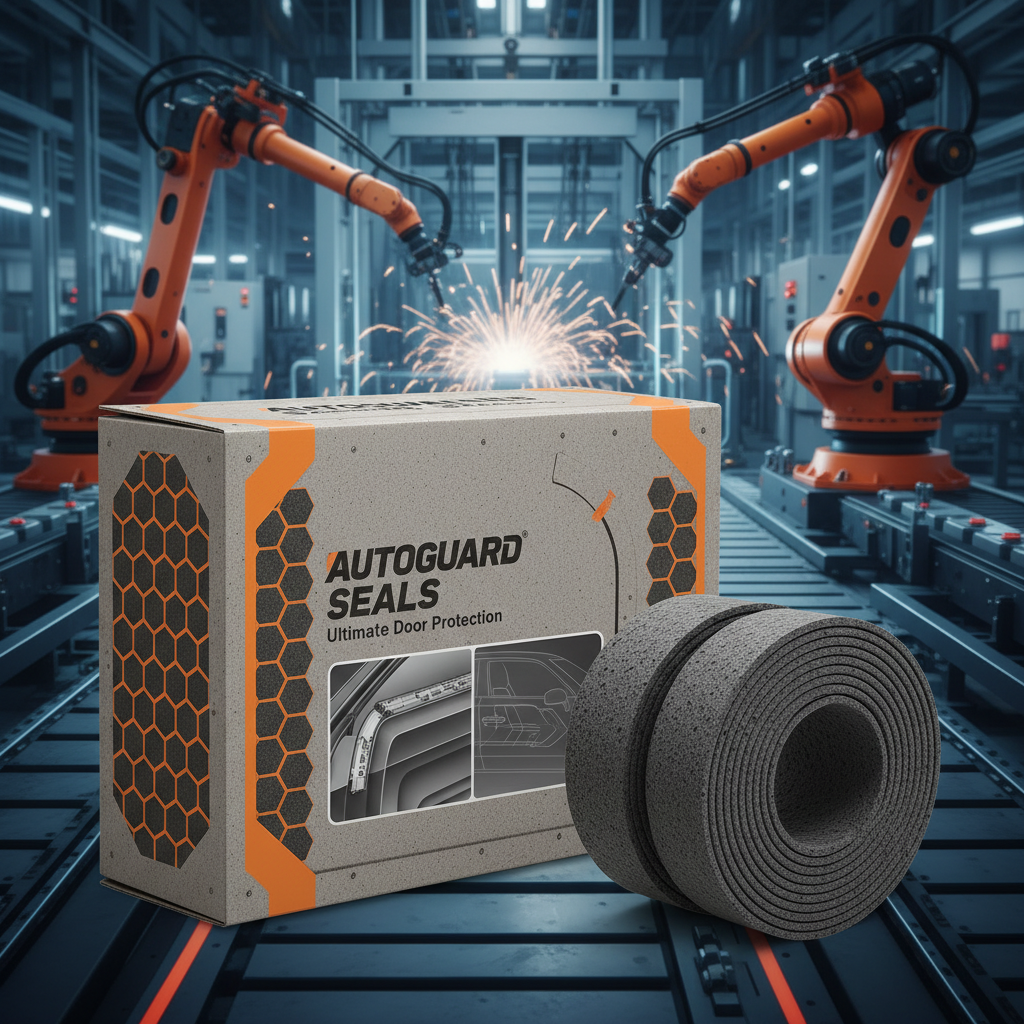
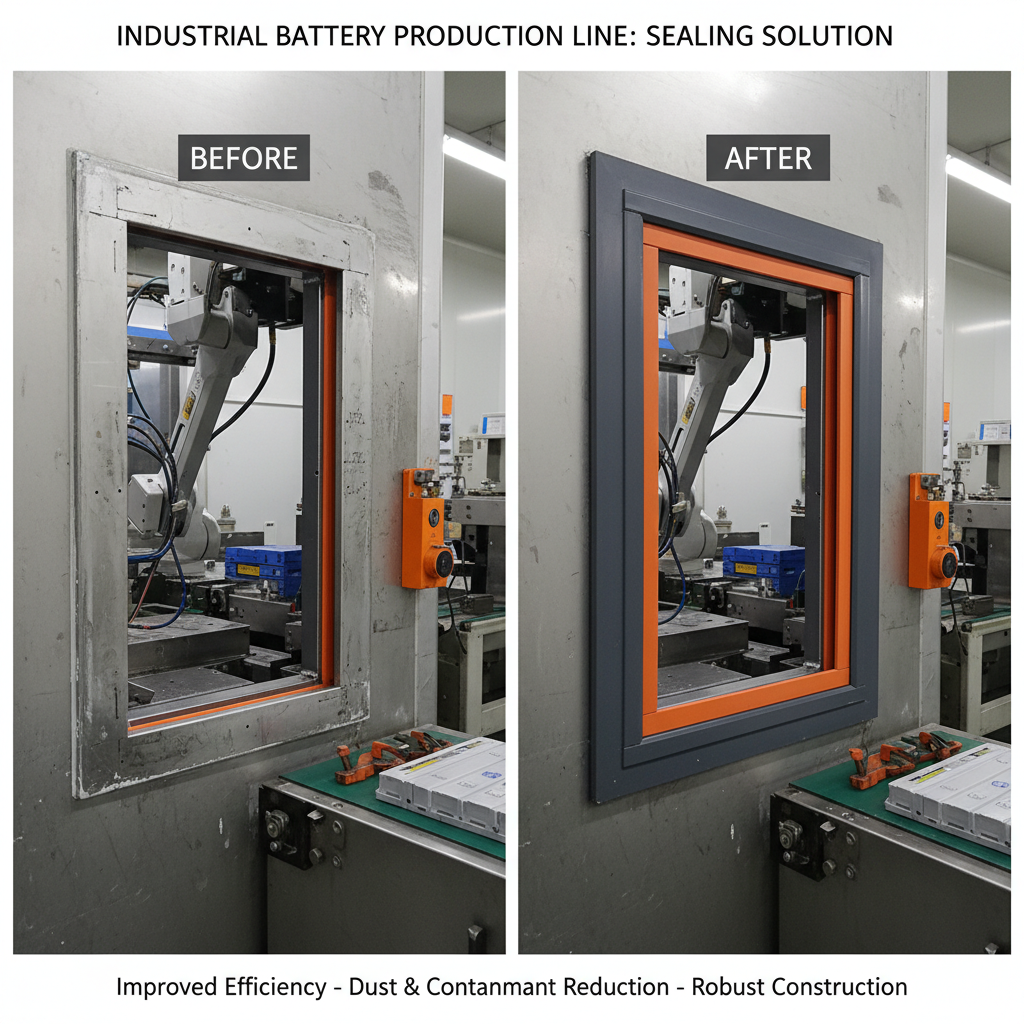
Electrical rubber sealing strip finds extensive application in the power generation industry, sealing transformers, switchgear, and generators to protect against environmental contamination. In the automotive sector, they are crucial for sealing battery packs and electrical connectors in electric vehicles, ensuring safety and reliability.

In remote industrial zones, where harsh conditions prevail, these strips are vital for protecting critical electrical infrastructure. For example, in offshore oil and gas platforms, they safeguard sensitive equipment from saltwater corrosion and extreme weather. They are also increasingly used in renewable energy installations, such as wind turbines and solar farms.

Advantages and Long-Term Value

The primary advantage of using electrical rubber sealing strip lies in its cost-effectiveness. Preventing equipment failure through effective sealing significantly reduces maintenance costs and downtime. The long-term reliability offered by quality strips translates into substantial savings over the lifecycle of electrical systems.

From a sustainability standpoint, durable sealing minimizes energy loss and reduces the need for frequent equipment replacements, contributing to a lower carbon footprint. Moreover, the enhanced safety features of sealed electrical systems protect workers and prevent potentially catastrophic accidents, adding immeasurable value. The use of electrical rubber sealing strip promotes a culture of safety and reliability.

Future Trends and Innovations

The development of self-healing rubber compounds represents a significant innovation. These materials can automatically repair minor damage, extending the lifespan of the sealing strip and reducing maintenance requirements. Another emerging trend is the integration of sensors into sealing strips to monitor temperature, pressure, and other critical parameters.

The increasing adoption of Industry 4.0 and digital transformation is driving the demand for smart sealing solutions that can provide real-time data and predictive maintenance capabilities. Furthermore, the focus on green energy and sustainability is fostering the development of bio-based and recyclable rubber compounds for electrical rubber sealing strip.

FAQS

What are the key differences between silicone and EPDM electrical rubber sealing strips?

Silicone offers superior temperature resistance and flexibility, making it ideal for high-heat applications. EPDM excels in outdoor environments due to its excellent UV and ozone resistance. The choice depends on the specific operating conditions and environmental factors. Silicone is generally more expensive than EPDM but provides greater long-term durability in harsh temperature environments.

How do I determine the correct size and shape of electrical rubber sealing strip for my application?

Accurate measurement of the gap or space to be sealed is crucial. Consider the compression ratio required for a tight seal – typically 20-30%. The shape should match the surface profile for optimal contact. Consulting with a sealing specialist or referring to manufacturer guidelines is recommended to ensure proper selection.

What is the expected lifespan of a properly installed electrical rubber sealing strip?

The lifespan varies based on the material, environmental conditions, and application. Generally, silicone strips can last 10-20 years, while EPDM strips can last 5-15 years. Regular inspection and maintenance can extend the lifespan. Factors such as UV exposure, chemical contact, and temperature fluctuations can accelerate degradation.

Are electrical rubber sealing strips resistant to common industrial chemicals?

Resistance varies depending on the rubber compound. Silicone generally exhibits good resistance to many chemicals, while EPDM is resistant to water, steam, and many polar solvents. Nitrile is best for oil and fuel resistance. Always consult a chemical compatibility chart to ensure the selected material is suitable for the specific chemicals present in the application.

How should electrical rubber sealing strip be stored before installation?

Store strips in a cool, dry, and dark place, away from direct sunlight, ozone sources, and heat. Avoid bending or compressing the strips excessively during storage. It's also important to keep them in their original packaging until ready for use to prevent contamination and maintain their properties.

What installation techniques ensure a secure and reliable seal?

Ensure surfaces are clean and free from debris before installation. Apply a uniform pressure during installation to achieve proper compression. Avoid stretching the strip beyond its limits. Consider using a suitable adhesive for added security, especially in demanding applications. Proper installation is vital for maximizing the effectiveness and longevity of the sealing strip.

Conclusion

Electrical rubber sealing strip is a critical component in ensuring the safety, reliability, and efficiency of electrical systems across a diverse range of industries. From protecting sensitive equipment from environmental hazards to facilitating the transition towards sustainable energy solutions, these strips play a vital, often unseen, role in modern infrastructure. A thorough understanding of their properties, applications, and future trends is essential for engineers, technicians, and anyone involved in electrical engineering.

Looking ahead, innovations in materials science and sensor technology promise even more sophisticated and effective sealing solutions. Investing in high-quality electrical rubber sealing strip is not just a cost-saving measure; it’s an investment in long-term performance, safety, and sustainability. For optimal sealing solutions and expert guidance, visit our website: www.xtshuoding.com.

David Chen

David Chen

David Chen serves as a key Account Manager at Xingtai Shuoding Trading Co., Ltd, primarily managing relationships with clients seeking rubber sealing products and steel files. He's been with the company since its inception, leveraging his strong background in materials science and export regulations. David’s expertise lies in understanding specific
Previous Comprehensive Guide to Foam Sealing Strip Applications and Industry Trends
Next Comprehensive Guide to Furniture Rubber Sealing Strip Applications and Technologies