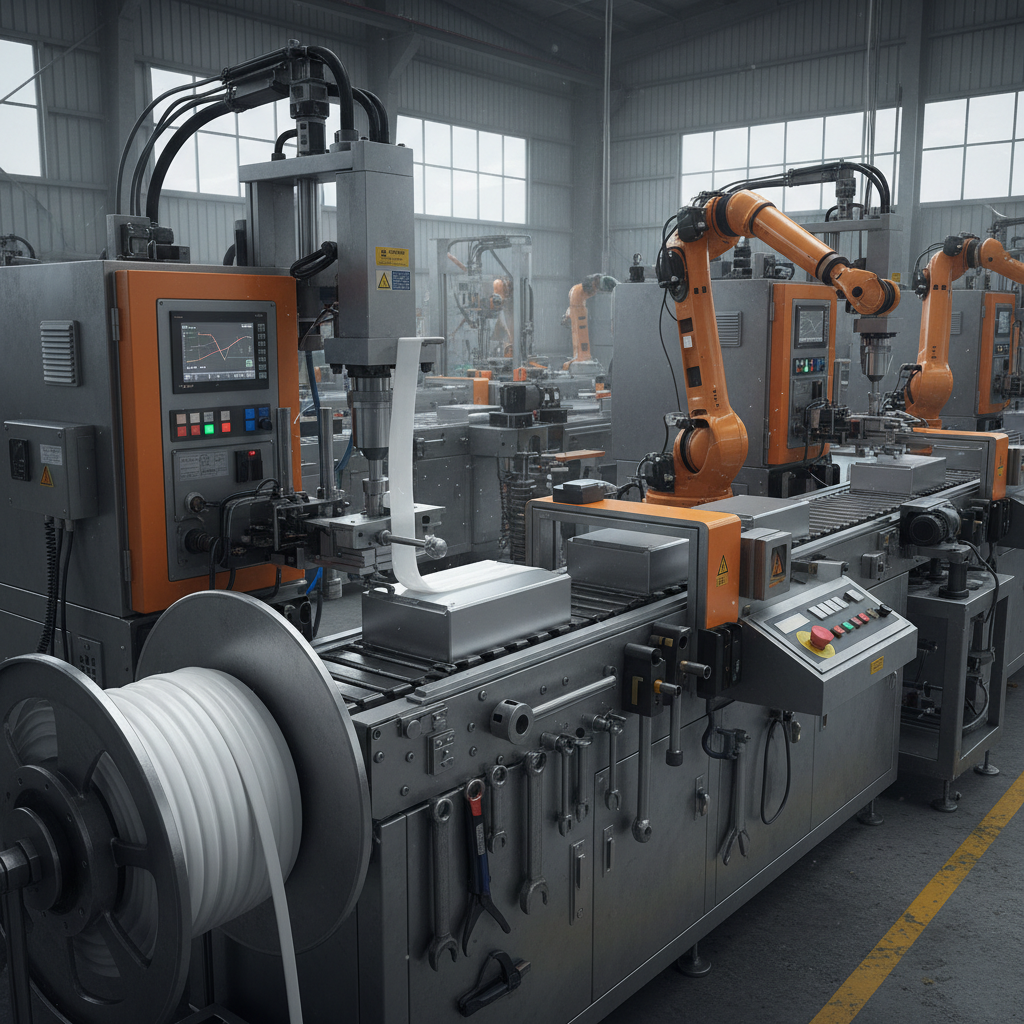
Rubber seals are ubiquitous components in modern industry and daily life, silently ensuring the integrity and efficiency of countless systems. From automotive engines and aerospace applications to household appliances and medical devices, these seemingly simple components play a critical role in preventing leaks, containing pressure, and protecting sensitive components from harsh environments. Understanding the nuances of rubber seal design, materials, and applications is paramount for engineers, manufacturers, and anyone involved in maintaining the reliability of critical infrastructure.
The global rubber seals market is a multi-billion dollar industry, driven by demand across a vast array of sectors. According to recent reports, the market is projected to continue its growth trajectory, fueled by increasing industrialization, automotive production, and infrastructure development, particularly in emerging economies. The need for effective sealing solutions is especially crucial in areas focused on sustainability, where reducing energy consumption and minimizing environmental impact are paramount.
Beyond their purely functional role, rubber seals contribute to safety, longevity, and cost-effectiveness in diverse applications. A compromised seal can lead to catastrophic failures, environmental damage, or significant downtime. Thus, careful consideration of material selection, manufacturing processes, and quality control is essential for ensuring optimal performance and reliability. The ability to source high-quality rubber seals is a vital component of successful product development and maintenance strategies.
The Importance of Rubber Seals
Rubber seals, despite their often-unseen role, are fundamentally important for maintaining the integrity of countless systems. Their primary function - to prevent the escape of fluids or gases – is critical in applications ranging from automotive engines to pharmaceutical manufacturing. Without reliable rubber seals, efficiency declines, safety is compromised, and costly repairs become commonplace.
The economic impact of effective sealing solutions is substantial. Leakage can lead to material waste, energy loss, and environmental contamination, all translating into financial burdens. Investing in high-quality seals and proper sealing design is a proactive measure that yields significant long-term cost savings and operational benefits.
Defining Rubber Seals and Their Relevance
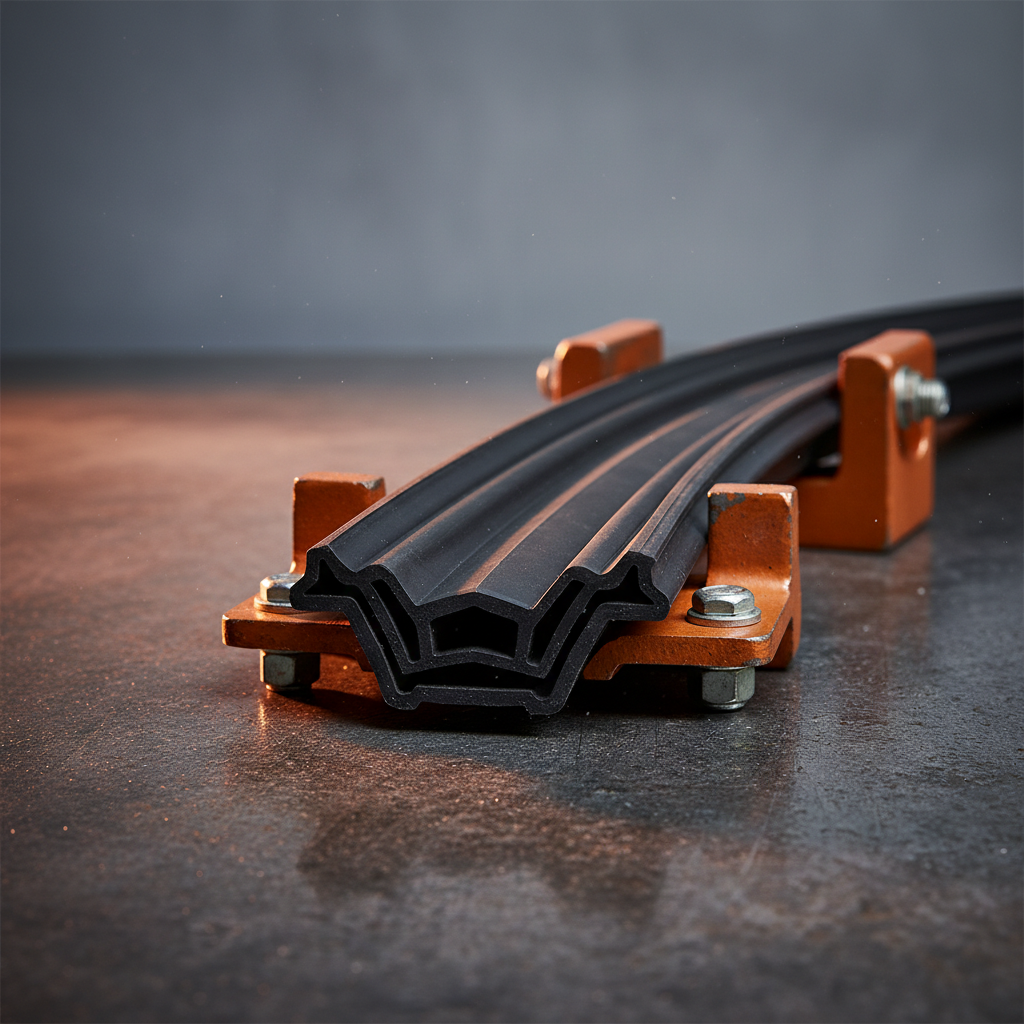
Rubber seals, also known as gaskets or O-rings, are deformable components used to create a static or dynamic seal between mating surfaces. They are typically manufactured from a variety of elastomeric materials, each offering unique properties in terms of temperature resistance, chemical compatibility, and mechanical strength. The choice of material is crucial and depends heavily on the specific application requirements.
Their relevance extends far beyond industrial settings. Consider the seals in your refrigerator, the gaskets in your car doors, or the stoppers in medical vials – all rely on the principles of rubber sealing to function correctly. In modern industry, optimized rubber sealing is central to minimizing emissions, maximizing energy efficiency, and ensuring product safety, aligning with global sustainability goals.
The development of advanced rubber seal technology directly addresses critical humanitarian needs. For example, reliable sealing solutions are essential for water purification systems, medical equipment used in remote areas, and disaster relief shelters where maintaining a sealed environment is vital for protection against the elements.
Key Factors Influencing Rubber Seal Performance
Several key factors contribute to the performance and longevity of rubber seals. First, material selection is paramount. Different elastomers (e.g., Nitrile, Silicone, Viton) offer varying levels of resistance to heat, chemicals, and abrasion. Second, seal geometry – the shape and dimensions of the seal – must be optimized for the specific application to ensure proper contact and compression.
Third, surface finish of the mating components plays a crucial role. Rough surfaces can lead to premature wear and leakage. Fourth, compression – the amount of force applied to the seal – must be carefully controlled. Too little compression results in leakage, while too much can damage the seal. Finally, the operating environment, including temperature, pressure, and exposure to chemicals, significantly impacts the seal's lifespan.
Effective seal performance relies on a holistic approach, considering all these factors in the design and implementation process. Utilizing finite element analysis (FEA) during the design phase allows engineers to predict seal behavior under various conditions and optimize performance before manufacturing even begins.
Diverse Applications of Rubber Seals
Rubber seals find application across a staggering range of industries. In the automotive sector, they are critical for sealing engines, transmissions, and hydraulic systems. The aerospace industry relies on highly specialized rubber seals to withstand extreme temperatures and pressures in aircraft engines and fuel systems.
The oil and gas industry utilizes robust rubber seals in drilling equipment, pipelines, and storage tanks to prevent leaks of hazardous materials. In medical technology, rubber seals are essential for ensuring the sterility and functionality of medical devices, syringes, and pharmaceutical packaging.
Even in everyday applications like plumbing and appliances, rubber seals are indispensable. In post-disaster relief operations, providing shelters with effective rubber seals is crucial for maintaining a safe and habitable environment.
Rubber Seal Performance by Method
Advantages and Long-Term Value Proposition
The advantages of utilizing high-quality rubber seals are multifaceted. From a cost perspective, preventative maintenance enabled by reliable sealing minimizes downtime and reduces the frequency of expensive repairs. Furthermore, effective sealing contributes to sustainability by reducing waste, minimizing energy loss, and preventing environmental contamination.
The reliability offered by robust rubber seals is paramount for ensuring the safe and efficient operation of critical infrastructure. Properly sealed systems instill trust in the products and processes they support, enhancing brand reputation and customer satisfaction. These benefits translate into a substantial long-term return on investment.
Future Trends and Innovations in Rubber Seals
The future of rubber seal technology is marked by several exciting trends. The development of new elastomeric materials with enhanced properties – such as improved temperature resistance and chemical compatibility – is a key focus. Furthermore, advancements in manufacturing techniques, including 3D printing and micro-molding, are enabling the creation of seals with increasingly complex geometries and tighter tolerances.
The integration of smart sensors into rubber seals – enabling real-time monitoring of seal performance – is another emerging trend. This data can be used to predict failures, optimize maintenance schedules, and enhance overall system reliability. These advancements align with the broader trend toward digitalization and automation in manufacturing and industrial processes.
Sustainability is also driving innovation in this field, with growing interest in bio-based elastomers and recyclable sealing solutions, helping to reduce the environmental impact of rubber seal production and disposal.
Challenges and Innovative Solutions
Despite advancements, several challenges remain in the field of rubber sealing. One persistent issue is the degradation of seals over time due to exposure to harsh environments, leading to leakage and failure. Another challenge is the difficulty of sealing complex geometries and tight spaces.
Innovative solutions are being developed to address these challenges. Self-healing elastomers, capable of repairing minor damage, are showing promise for extending seal lifespan. Advanced coating technologies are being used to enhance the chemical resistance and abrasion resistance of rubber seals.
The use of predictive maintenance algorithms, coupled with sensor data, is also enabling proactive identification of potential seal failures, allowing for timely replacement and preventing costly downtime. Utilizing durable rubber seals is a crucial part of overcoming these challenges.
Summary of Rubber Seal Challenges and Solutions
| Challenge |
Severity (1-10) |
Potential Solution |
Implementation Cost (1-10) |
| Environmental Degradation |
8 |
Advanced Coating Technologies |
6 |
| Complex Geometry Sealing |
7 |
3D Printing & Micro-Molding |
7 |
| Premature Seal Failure |
9 |
Predictive Maintenance Algorithms |
5 |
| Material Compatibility Issues |
6 |
Selection of Specialized Elastomers |
4 |
| High Temperature Resistance |
7 |
Utilizing Viton or Silicone Materials |
5 |
| Seal Compression Issues |
5 |
Optimized Seal Geometry & FEA |
3 |
FAQS
Several factors affect the lifespan of a rubber seal, including the material composition, operating temperature, pressure, chemical exposure, and physical stress. High temperatures, aggressive chemicals, and excessive pressure can accelerate degradation. Regular inspection and preventative maintenance are crucial for maximizing seal lifespan, as is selecting the correct material for the intended application.
Selecting the appropriate rubber seal material requires careful consideration of the operating environment. Nitrile is a common choice for oil and fuel resistance, while silicone excels in high-temperature applications. Viton offers superior resistance to harsh chemicals, and EPDM is ideal for outdoor use due to its weather resistance. Consulting material compatibility charts and seeking expert advice is recommended.
Common causes of rubber seal failure include material degradation due to age, chemical attack, and extreme temperatures. Physical damage such as cuts, tears, or extrusion can also lead to failure. Improper installation, insufficient compression, or exceeding pressure limits can also compromise seal integrity. Regular inspection and proper installation are key to prevention.
Reuse of rubber seals is generally not recommended, especially for critical applications. Disassembly can cause deformation, damage, or contamination. Replacing seals with new ones ensures a reliable seal and prevents potential failures. However, in some non-critical applications, seals may be reused if they show no signs of damage or degradation.
O-rings are a popular choice due to their simplicity, cost-effectiveness, and versatility. They can be used in a wide range of applications and offer excellent sealing performance when properly installed. O-rings are also relatively easy to install and replace. Other seal types, such as gaskets or lip seals, may be better suited for specific applications, but O-rings remain a reliable and common sealing solution.
Proper installation is crucial for ensuring optimal seal performance. Before installation, clean the mating surfaces and lubricate the seal with a compatible lubricant. Avoid twisting or stretching the seal during installation. Ensure proper compression by following manufacturer's recommendations. Use appropriate tools and techniques to prevent damage. Consider using a seal installation tool for complex applications.
Conclusion
In conclusion, rubber seals are indispensable components across countless industries and applications, playing a vital role in ensuring safety, efficiency, and reliability. Understanding the critical factors influencing seal performance – material selection, geometry, environmental conditions – is essential for engineers and manufacturers. Investing in high-quality rubber seals and implementing proactive maintenance strategies are key to maximizing long-term value and minimizing operational costs.
Looking ahead, continued innovation in materials science, manufacturing techniques, and sensor technology will drive further advancements in rubber seal technology. The focus on sustainability and the growing demand for high-performance sealing solutions will create new opportunities for development and implementation. By embracing these advancements and prioritizing quality, we can unlock the full potential of rubber seals to address some of the world’s most pressing challenges.