0%

Table of Contents

The global demand for energy storage solutions is surging, driven by the proliferation of electric vehicles and the increasing adoption of renewable energy sources. Central to these solutions are lithium-ion batteries, and within these, pouch cells are gaining prominence due to their high energy density, lightweight design, and cost-effectiveness. Efficient and precise slitting machine for pouch cell production is crucial for manufacturing high-quality pouch cells, impacting battery performance, safety, and overall system reliability. Understanding the nuances of this process is vital for battery manufacturers, materials scientists, and anyone involved in the expanding energy storage sector.

The production of pouch cells requires meticulous processing of electrode materials – anodes, cathodes, and separators. The slitting machine for pouch cell production plays a pivotal role in precisely cutting these materials into the desired widths and lengths, preparing them for cell assembly. Inefficiencies or inaccuracies in this slitting process can lead to defects, reduced battery life, and potential safety hazards. Therefore, advancements in slitting technology directly translate to improvements in battery quality and the viability of large-scale energy storage systems.

With the International Energy Agency predicting a dramatic increase in battery demand in the coming decades, coupled with a growing focus on sustainability, optimizing the entire battery production chain, including slitting, is paramount. The economic benefits and environmental implications of efficient slitting machine for pouch cell production are significant, making it a critical area of innovation and investment within the energy sector.
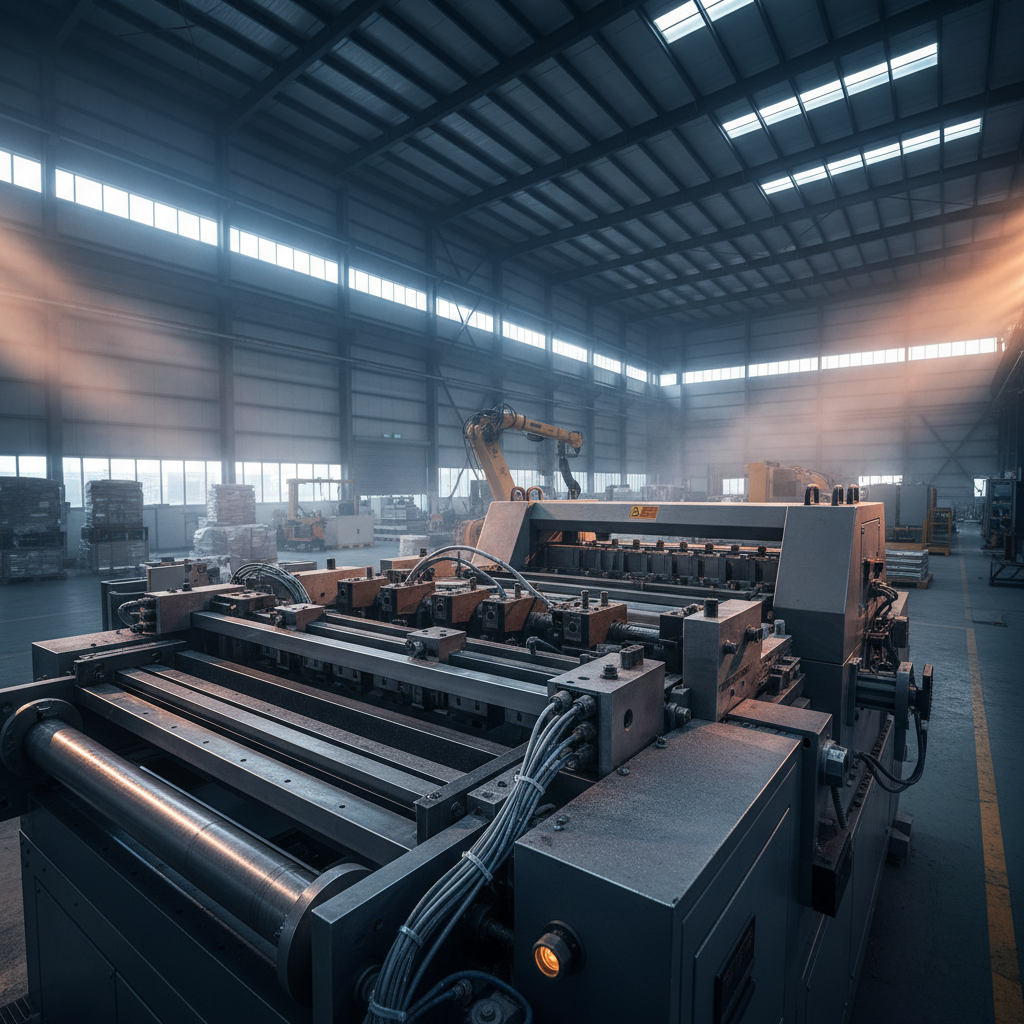
Advanced Slitting Machine for Pouch Cell Production Enhancing Battery Performance and Reliability

Introduction to slitting machine for pouch cell production
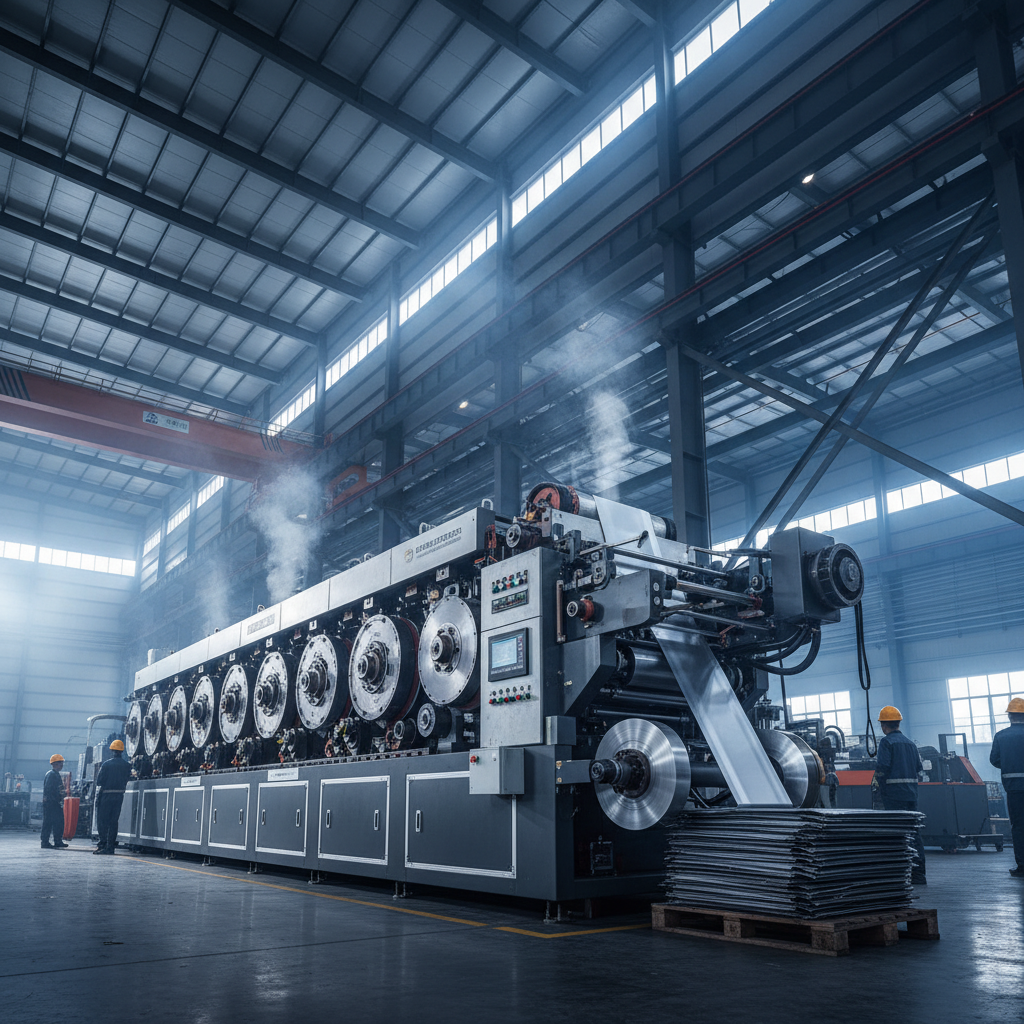
Advanced Slitting Machine for Pouch Cell Production Enhancing Battery Performance and Reliability

A slitting machine for pouch cell production is a specialized piece of equipment designed to accurately cut electrode materials – typically copper foil with a lithium coating for the anode and aluminum foil with an active material coating for the cathode – into the precise widths required for pouch cell assembly. This process is a critical step in battery manufacturing, directly influencing cell performance and lifespan.

The importance of precise slitting cannot be overstated. Variations in width, edge quality, or material tension can lead to internal short circuits, capacity fade, and reduced overall battery efficiency. Modern slitting machines incorporate advanced sensors, automated controls, and sophisticated cutting technologies to ensure consistently high-quality results and minimize waste.

Defining Slitting for Pouch Cell Manufacturing

Slitting, in the context of pouch cell production, refers to the process of longitudinally cutting large rolls of electrode materials into narrower rolls of specified widths. These narrower rolls are then wound onto cores, ready for the subsequent cell assembly stages, such as stacking or winding. The precision of this cut dictates the consistency of the final cell’s internal structure.

This process is essential because electrode materials are typically manufactured in large rolls for economies of scale. However, pouch cells require materials of specific widths dictated by the cell’s design parameters. The slitting process bridges this gap, enabling the efficient conversion of bulk materials into usable components.

The slitting process isn't simply cutting; it also includes tension control, web guiding, and defect detection. A robust slitting operation contributes significantly to the overall yield and quality of the pouch cell production line.

Key Components of a Slitting Machine

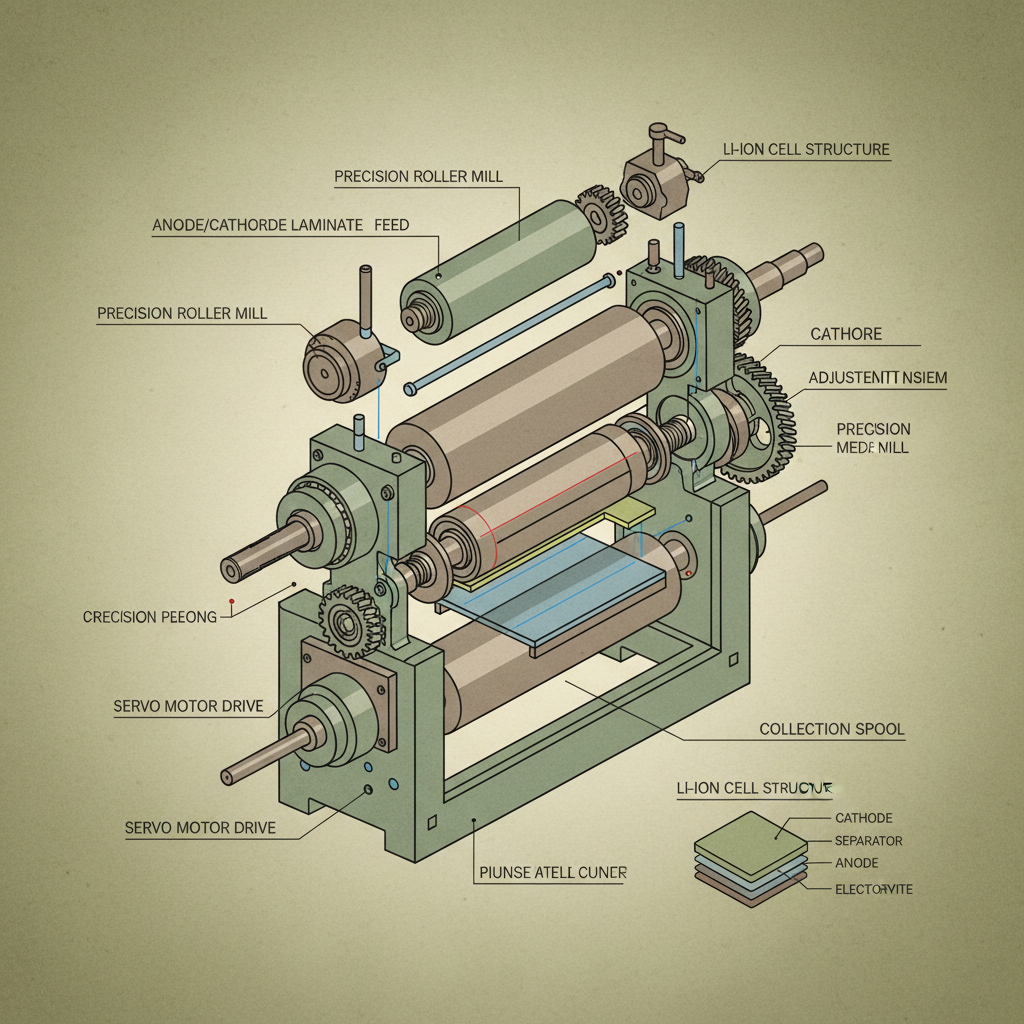
A typical slitting machine for pouch cell production comprises several key components. These include a unwinding unit to handle the incoming material roll, a slitting section with precisely positioned blades, a winding unit to rewind the slit material onto new cores, and a control system to manage the entire process.

Crucially, the blades themselves are a defining element. They can be rotary blades, shear blades, or even laser-based systems, each offering different levels of precision and suitability for specific materials. The unwinding and winding systems must also provide consistent tension control to prevent material stretching or wrinkling, which can compromise the quality of the slit material.

Modern slitting machines often integrate advanced sensors, such as web cameras for defect detection and tension sensors for precise control. These components work together to ensure that the slitting process is both efficient and produces high-quality results, minimizing waste and maximizing battery performance.

Factors Affecting Slitting Quality

Several factors can impact the quality of the slitting process. Blade sharpness and condition are paramount; dull blades can cause tearing and create rough edges. Maintaining correct tension throughout the process is also critical, as too much tension can stretch the material, while too little can lead to wrinkles and inconsistencies.

Material properties, such as thickness and coating uniformity, also play a significant role. Variations in material thickness can make it challenging to achieve consistent slitting results. Furthermore, static electricity can cause the material to stick to machine components, leading to defects and inaccuracies.

Slitting Quality Metrics by Method


Global Applications in Energy Storage

The demand for high-quality pouch cells, and consequently, precise slitting machine for pouch cell production, is driven by the growth of the electric vehicle market. Major automotive manufacturers worldwide are investing heavily in battery production facilities, creating a significant need for advanced slitting technologies.

Beyond automotive, large-scale energy storage systems (ESS) for grid stabilization and renewable energy integration also rely heavily on pouch cells. Regions with ambitious renewable energy targets, such as Europe and California, are experiencing rapid growth in ESS deployments, further increasing the demand for efficient slitting solutions.

Advantages of Advanced Slitting Technology

Advanced slitting machine for pouch cell production offer several key advantages. Automated tension control minimizes material defects, while high-precision blades ensure clean cuts and reduce waste. Integrated defect detection systems identify and reject faulty material, improving overall product quality.

Moreover, these machines often incorporate features like automatic blade changing and quick setup times, reducing downtime and increasing production efficiency. The use of servo motors and advanced control algorithms allows for precise and repeatable slitting operations, leading to consistent cell performance.

Ultimately, these advantages translate to lower production costs, improved battery reliability, and a more sustainable manufacturing process.

Future Trends and Innovations in Slitting

The future of slitting technology is focused on increased automation, improved precision, and enhanced data analytics. Machine learning algorithms are being developed to optimize slitting parameters in real-time, based on material properties and process conditions.

Another trend is the development of more versatile slitting systems capable of handling a wider range of materials and thicknesses. Laser-based slitting is gaining traction due to its ability to cut complex shapes and minimize material damage. Furthermore, the integration of Industry 4.0 principles, such as remote monitoring and predictive maintenance, is expected to become increasingly common.

The industry is also investigating more sustainable slitting processes, aiming to reduce energy consumption and minimize waste generation.

A Comparison of Slitting Machine Performance Characteristics

Slitting Method Precision (μm) Material Compatibility Operational Cost
Rotary Blade ±50 Good Low
Shear Blade ±30 Moderate Moderate
Laser Slitting ±10 Excellent High
Ultrasonic Slitting ±20 Good Moderate
Waterjet Slitting ±40 Moderate Moderate
Automated Blade System ±25 Excellent High

FAQS

What are the key differences between rotary and shear blade slitting?

Rotary blades provide continuous cutting and are generally more suitable for high-speed applications, while shear blades offer a cleaner, more precise cut, but may be slower. The choice depends on material characteristics and desired edge quality. Rotary blade slitting is often preferred for thinner materials, while shear blades excel with thicker or more robust electrode foils.

How does tension control affect the slitting process?

Consistent tension is crucial to prevent material distortion during slitting. Insufficient tension can cause wrinkling and uneven cuts, while excessive tension can stretch the material, affecting dimensional accuracy. Advanced slitting machines utilize closed-loop tension control systems to maintain optimal tension throughout the process.

What are the benefits of using laser slitting for pouch cell production?

Laser slitting offers exceptional precision and flexibility, allowing for intricate cuts and minimizing material waste. It's particularly advantageous for specialized materials or complex cell designs. However, laser slitting typically has higher operational costs compared to traditional blade-based methods.

How can I minimize static electricity buildup during slitting?

Static electricity can be mitigated by using grounded machine components, employing anti-static sprays or rollers, and controlling humidity levels in the production environment. Ionizing bars can also be used to neutralize static charges effectively. Proper grounding is a fundamental safety measure and ensures consistent slitting quality.

What maintenance procedures are required for a slitting machine?

Regular maintenance includes blade sharpening or replacement, cleaning rollers and guides, inspecting and lubricating moving parts, and calibrating sensors. Following the manufacturer's recommended maintenance schedule is vital for ensuring optimal performance and prolonging the machine's lifespan. Proactive maintenance minimizes downtime and reduces the risk of unexpected failures.

What role does automated defect detection play in the slitting process?

Automated defect detection, often utilizing web cameras and image processing algorithms, can identify imperfections in the material or cutting process in real-time. This allows for immediate rejection of faulty material, preventing defective cells from reaching subsequent production stages, thus improving overall quality and reducing waste.

Conclusion

In conclusion, the slitting machine for pouch cell production is an indispensable component of modern battery manufacturing. Its precision and efficiency directly impact the performance, safety, and cost-effectiveness of pouch cells, which are at the heart of the rapidly growing electric vehicle and energy storage industries. Advancements in slitting technology, driven by automation, data analytics, and sustainable practices, will continue to play a crucial role in meeting the increasing global demand for energy storage solutions.

Looking ahead, investing in advanced slitting technologies is not merely about improving production efficiency; it’s about enabling a more sustainable and reliable energy future. By embracing innovation and prioritizing quality control, manufacturers can unlock the full potential of pouch cell technology and contribute to a cleaner, more energy-independent world. Visit our website at www.xtshuoding.com to learn more about our cutting-edge slitting solutions.
Robert Miller

Robert Miller

Robert Miller is a seasoned Project Manager at Xingtai Shuoding Trading Co., Ltd, specializing in lithium battery production line equipment. With over 15 years of experience in international trade and manufacturing, Robert focuses on facilitating smooth collaborations between our factories and US-based importers. He plays a crucial role in the
Previous The Critical Role of Rubber Seals in Modern Industries and Applications
Next Advanced Slitting Machine for Prismatic Battery Production and Enhanced Battery Performance