Rubber sealing strip for doors and windows plays a crucial role in modern construction and industrial applications. These strips, often made from materials like EPDM, PVC, or silicone, are designed to prevent the passage of air, water, dust, and noise, contributing significantly to energy efficiency, structural integrity, and occupant comfort. The global demand for these strips is driven by increasing building construction, stringent energy conservation regulations, and a growing focus on sustainable building practices.
The significance of rubber sealing strip for doors and windows extends beyond mere convenience. In a world grappling with climate change, effective sealing solutions are paramount in reducing energy consumption and lowering carbon footprints. These strips are integral to achieving airtight buildings, optimizing HVAC performance, and minimizing heat loss or gain. Furthermore, they play a vital role in protecting interiors from environmental damage and ensuring the longevity of building components.
Understanding the nuances of rubber sealing strip for doors and windows - from material science to installation techniques - is essential for architects, engineers, contractors, and homeowners alike. The correct selection and application of these strips can yield substantial benefits, impacting not only cost savings but also the overall quality and sustainability of a built environment.
Introduction: Global or Industry Context
The global market for rubber sealing strip for doors and windows is experiencing steady growth, estimated at over $12 billion in 2023, with projections reaching $16 billion by 2028 (source: MarketWatch). This expansion is fueled by the increasing construction activities in emerging economies, particularly in Asia-Pacific, and stricter building codes emphasizing energy efficiency in developed nations. The UN Environment Programme highlights the crucial role of building insulation and sealing in achieving global sustainability goals, placing further emphasis on the importance of these products.
A significant challenge addressed by effective rubber sealing strip for doors and windows is energy leakage. According to the International Energy Agency (IEA), approximately 40% of global energy consumption occurs in buildings, and a substantial portion of this is lost through drafts and air infiltration. Implementing high-quality sealing solutions can dramatically reduce these losses, leading to lower energy bills and a diminished carbon footprint. The ISO 9001 standards for quality management also play a role, ensuring consistent product performance and reliability.
Definition & Meaning
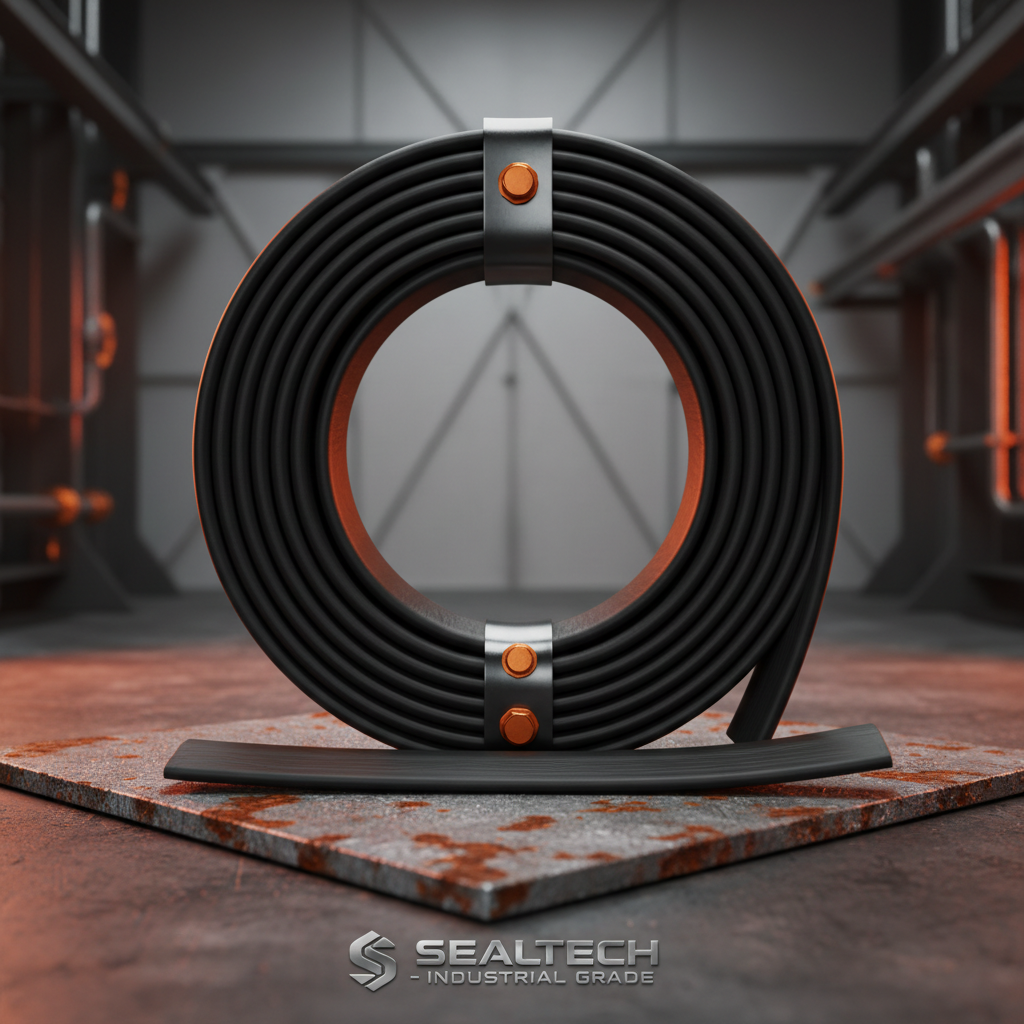
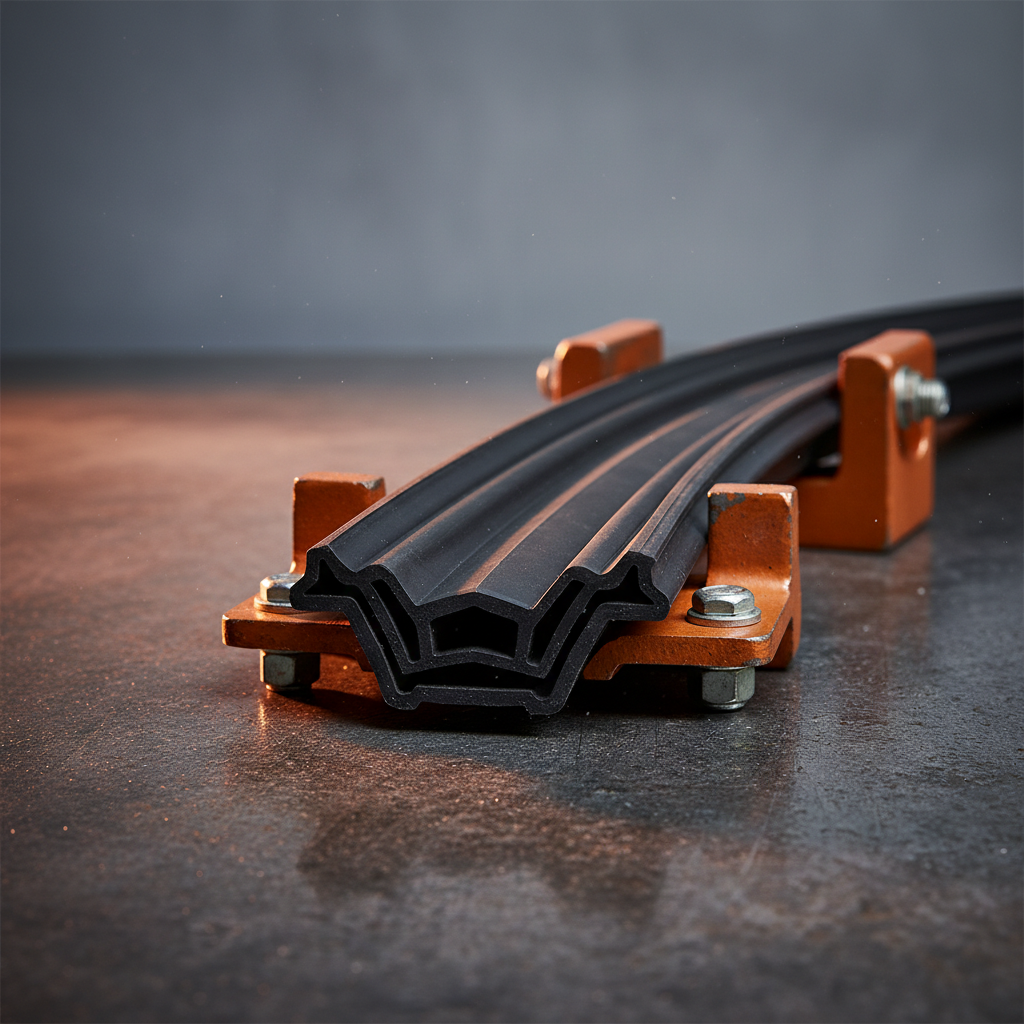
A rubber sealing strip for doors and windows is a flexible component designed to create an airtight and watertight barrier between a door or window frame and its corresponding opening. These strips are typically made from synthetic rubbers like Ethylene Propylene Diene Monomer (EPDM), Polyvinyl Chloride (PVC), or silicone, chosen for their durability, weather resistance, and flexibility. They come in various shapes and sizes – including bulb seals, foam seals, and fin seals – tailored to specific application requirements.
In modern industry, these strips aren’t merely accessories; they’re essential components for maintaining building performance and adhering to energy efficiency standards. Their connection to humanitarian needs is also notable. In disaster relief scenarios, rapid deployment shelters often utilize rubber seals to provide basic protection from the elements, improving the living conditions for displaced populations. rubber sealing strip for doors and windows are also used in creating controlled environments in medical facilities and laboratories.
Effectively, rubber sealing strips represent a practical solution to fundamental needs: shelter, safety, and sustainability. Their design and manufacturing reflect a convergence of material science, engineering, and a growing awareness of environmental responsibility.
Key Factors or Core Components
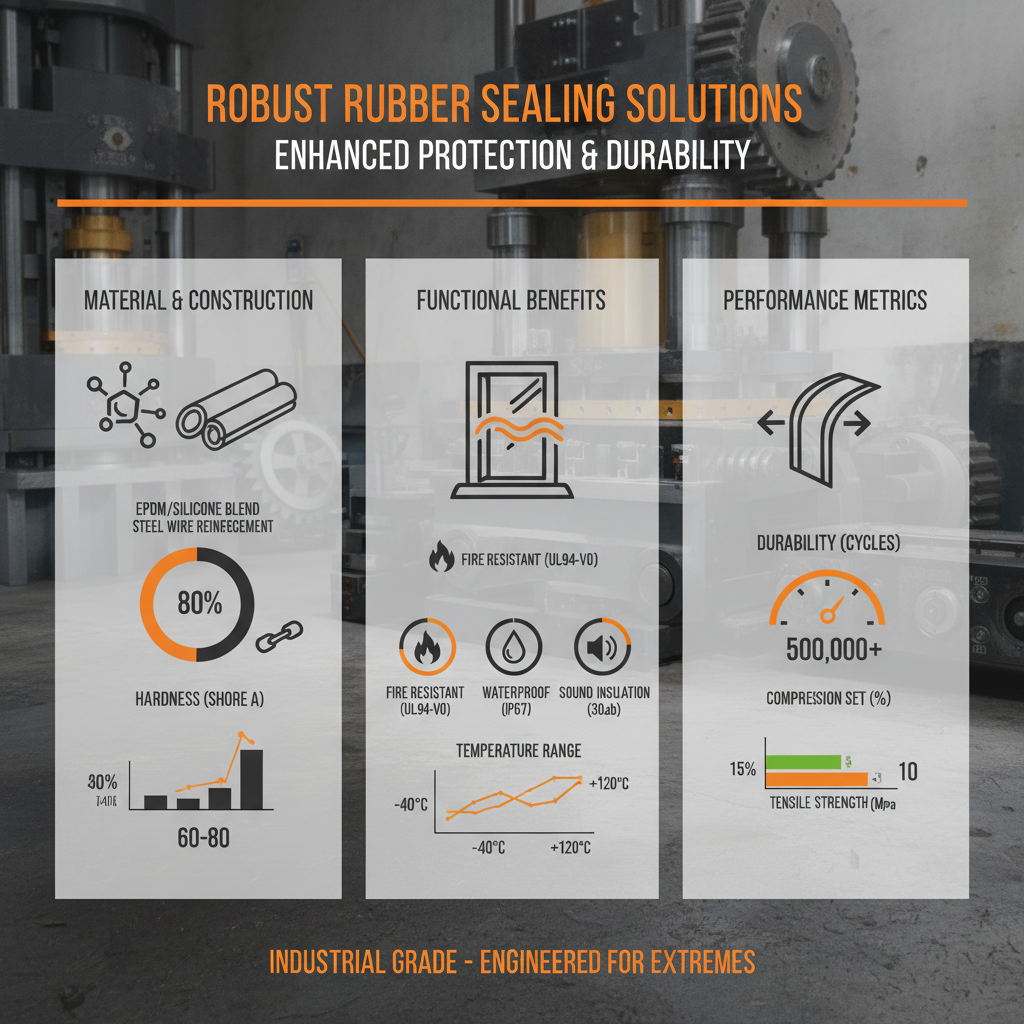
Durability: The lifespan of a rubber sealing strip for doors and windows is paramount. High-quality materials like EPDM offer excellent resistance to UV radiation, ozone, weathering, and abrasion, ensuring long-term performance and reducing the need for frequent replacements. The ability to withstand extreme temperatures without cracking or losing elasticity is also a crucial factor.
Compression Set: This refers to the material's ability to return to its original shape after being compressed. Low compression set is vital for maintaining a consistent seal over time. Materials with poor compression set will permanently deform, leading to gaps and reduced effectiveness. This directly impacts energy efficiency and weather protection.
Adhesion: The adhesive used to attach the sealing strip to the door or window frame must be robust and long-lasting. Proper adhesion prevents the strip from peeling or detaching, maintaining the integrity of the seal. Adhesive selection depends on the surface material and environmental conditions.
Flexibility: The strip needs to be sufficiently flexible to conform to the shape of the door or window and accommodate movement caused by temperature fluctuations or building settling.
Material Compatibility: Ensuring the sealing strip material is compatible with the door or window frame material (e.g., wood, aluminum, vinyl) is critical to prevent chemical reactions or degradation.
Seal Profile: The shape of the seal (bulb, foam, fin) dictates its effectiveness against different types of leakage – air, water, and noise.
Global Applications & Use Cases
Rubber sealing strip for doors and windows are ubiquitous across diverse industries and geographical regions. In residential construction, they are fundamental for creating energy-efficient homes and reducing heating/cooling costs. Commercial buildings, from offices to retail spaces, rely heavily on these strips to maintain comfortable indoor environments and comply with building codes.
In the automotive industry, sealing strips are essential for noise reduction, weather protection, and structural integrity. The marine industry utilizes specialized rubber seals to prevent water ingress in boats and ships. In post-disaster relief operations, as mentioned previously, rapid-deployment shelters utilize these strips for immediate weather protection.
Furthermore, specialized seals are used in industrial settings requiring cleanroom environments, such as pharmaceutical manufacturing and semiconductor fabrication. Remote industrial zones in colder climates, like those in Siberia or Northern Canada, depend on robust sealing solutions to protect infrastructure and equipment from extreme weather conditions.
Performance Comparison of rubber sealing strip for doors and windows Methods
Advantages & Long-Term Value
The tangible benefits of using high-quality rubber sealing strip for doors and windows are substantial. Cost savings from reduced energy consumption are significant, often resulting in a return on investment within a few years. The improved comfort and indoor air quality contribute to a healthier living and working environment. Furthermore, the protection against water damage and mold growth reduces maintenance costs and prolongs the lifespan of building structures.
Beyond the economic advantages, these strips offer considerable social and environmental value. By contributing to energy efficiency, they help reduce greenhouse gas emissions and combat climate change. The enhanced safety and security provided by a well-sealed building foster a sense of well-being and peace of mind. The durability and longevity of the strips themselves reduce waste and promote sustainability. rubber sealing strip for doors and windows can really give long term benefits.
The emotional impact of a comfortable, secure, and sustainable living space should not be underestimated. The feeling of trust in a well-built environment enhances quality of life and contributes to a sense of community. Investing in high-quality sealing solutions is an investment in a better future.
Future Trends & Innovations
The future of rubber sealing strip for doors and windows is intertwined with several emerging trends. The development of bio-based and recyclable rubber materials is gaining momentum, driven by the demand for sustainable products. Smart seals equipped with sensors that detect air leaks or temperature fluctuations are also on the horizon, offering proactive monitoring and maintenance capabilities.
Automation in manufacturing processes is increasing efficiency and reducing production costs. The integration of digital technologies, such as 3D printing, allows for customized seal designs tailored to specific applications. These innovations will enhance performance, reduce environmental impact, and unlock new possibilities for energy-efficient building design.
Challenges & Solutions
Despite advancements, several challenges remain in the realm of rubber sealing strip for doors and windows. Proper installation is critical, and errors can negate the benefits of even the highest-quality materials. The long-term durability of seals can be affected by exposure to harsh chemicals or extreme weather conditions. Maintaining consistent quality across different manufacturers and product lines is also a concern.
Solutions involve comprehensive training programs for installers, the development of more robust and chemically resistant materials, and the implementation of rigorous quality control standards. The use of advanced testing methods, such as accelerated weathering tests, can help predict long-term performance and identify potential weaknesses. Furthermore, fostering collaboration between manufacturers, installers, and building professionals can lead to best practices and improved outcomes.
Adopting a lifecycle assessment approach, considering the environmental impact of the sealing strip from production to disposal, is crucial for promoting sustainability and responsible material selection.
Overview of Factors Influencing rubber sealing strip for doors and windows Selection
| Application Area |
Material Type |
Performance Rating (1-10) |
Estimated Lifespan (Years) |
| Residential Windows |
EPDM |
8 |
15-20 |
| Commercial Doors |
PVC |
7 |
10-15 |
| Automotive Seals |
Silicone |
9 |
8-12 |
| Marine Applications |
Chloroprene |
6 |
5-10 |
| Industrial Cleanrooms |
Specialty Silicone |
10 |
20+ |
| Rapid Deployment Shelters |
Reinforced PVC |
5 |
2-5 |
FAQS
The lifespan varies considerably depending on the material, exposure to UV radiation, temperature fluctuations, and maintenance. Generally, EPDM seals can last 15-20 years, PVC 10-15 years, and silicone 8-12 years. Regular cleaning and inspection can extend the lifespan. Replacing seals proactively prevents energy loss and structural damage. Factors like harsh chemicals and extreme climates can shorten their durability.
The ideal material depends on the specific environment and requirements. EPDM is excellent for outdoor use due to its weather resistance, while silicone offers superior temperature resistance. PVC is cost-effective and suitable for indoor applications. Chloroprene is ideal for marine environments. Consider factors like UV exposure, chemical resistance, temperature range, and cost when making your selection. Consulting with a materials specialist is recommended for complex applications.
Common causes of failure include UV degradation, ozone cracking, compression set, and improper installation. Exposure to harsh chemicals, extreme temperatures, and physical abrasion can also contribute to premature wear. Poor adhesion to the substrate can cause the seal to detach. Regular inspection and maintenance, including cleaning and re-adhering as necessary, can help prevent these failures.
Yes, bio-based rubber materials are emerging as sustainable alternatives to traditional synthetic rubbers. Recycled rubber options are also becoming more prevalent. These materials reduce reliance on fossil fuels and minimize environmental impact. However, it's important to verify the performance characteristics of these materials to ensure they meet your application requirements.
Proper installation is crucial for optimal performance. Ensure the surface is clean, dry, and free of debris before applying the adhesive. Follow the manufacturer's instructions regarding adhesive application and pressure. Avoid stretching or distorting the seal during installation. Proper alignment and secure adhesion are essential for creating an airtight and watertight barrier. Professional installation is recommended for complex applications.
Smart seals integrated with sensors can detect air leaks, temperature variations, and seal degradation in real-time. This allows for proactive maintenance and prevents energy loss. They can also provide valuable data for building management systems, optimizing energy efficiency and improving indoor comfort. While still an emerging technology, smart seals offer significant potential for enhancing building performance.
Conclusion
In conclusion, rubber sealing strip for doors and windows represents a critical component in modern building design and industrial applications. From enhancing energy efficiency and protecting structures from the elements to contributing to sustainability and improving occupant comfort, the benefits are multifaceted and far-reaching. Understanding the nuances of materials, installation techniques, and emerging trends is essential for maximizing the value of these seemingly simple yet incredibly important products.
Looking ahead, continued innovation in materials science and manufacturing processes will further enhance the performance and sustainability of rubber sealing strip for doors and windows. By embracing these advancements and prioritizing quality, we can create more resilient, energy-efficient, and environmentally responsible built environments for generations to come. For all your sealing needs, visit our website: www.xtshuoding.com