Air conditioning rubber sealing strip plays a crucial, often unseen, role in the efficiency and longevity of HVAC systems globally. These strips, typically made of EPDM, silicone, or neoprene, are essential for preventing air leaks, maintaining consistent temperatures, and reducing energy consumption. The demand for high-quality sealing solutions is consistently rising, driven by increasing global construction, a growing emphasis on energy efficiency regulations, and the expanding adoption of air conditioning in emerging markets. Understanding the nuances of these components is paramount for manufacturers, installers, and consumers alike.
The global market for air conditioning rubber sealing strip is intrinsically linked to the growth of the building and construction industry, particularly in Asia-Pacific, where rapid urbanization and economic development are driving demand for comfortable living and working spaces. According to a recent report by the World Bank, energy consumption in buildings accounts for over 30% of global energy usage, and air leakage is a significant contributor to this inefficiency. Effective sealing solutions, therefore, are vital in mitigating these issues and promoting sustainable practices.
Furthermore, the increasing stringency of international standards such as ISO 50001 (Energy Management Systems) mandates improvements in energy performance, indirectly boosting the demand for superior air conditioning rubber sealing strip. The need for durable, reliable, and cost-effective sealing options has never been greater as the world strives for more sustainable and energy-efficient building designs.
Introduction to air conditioning rubber sealing strip
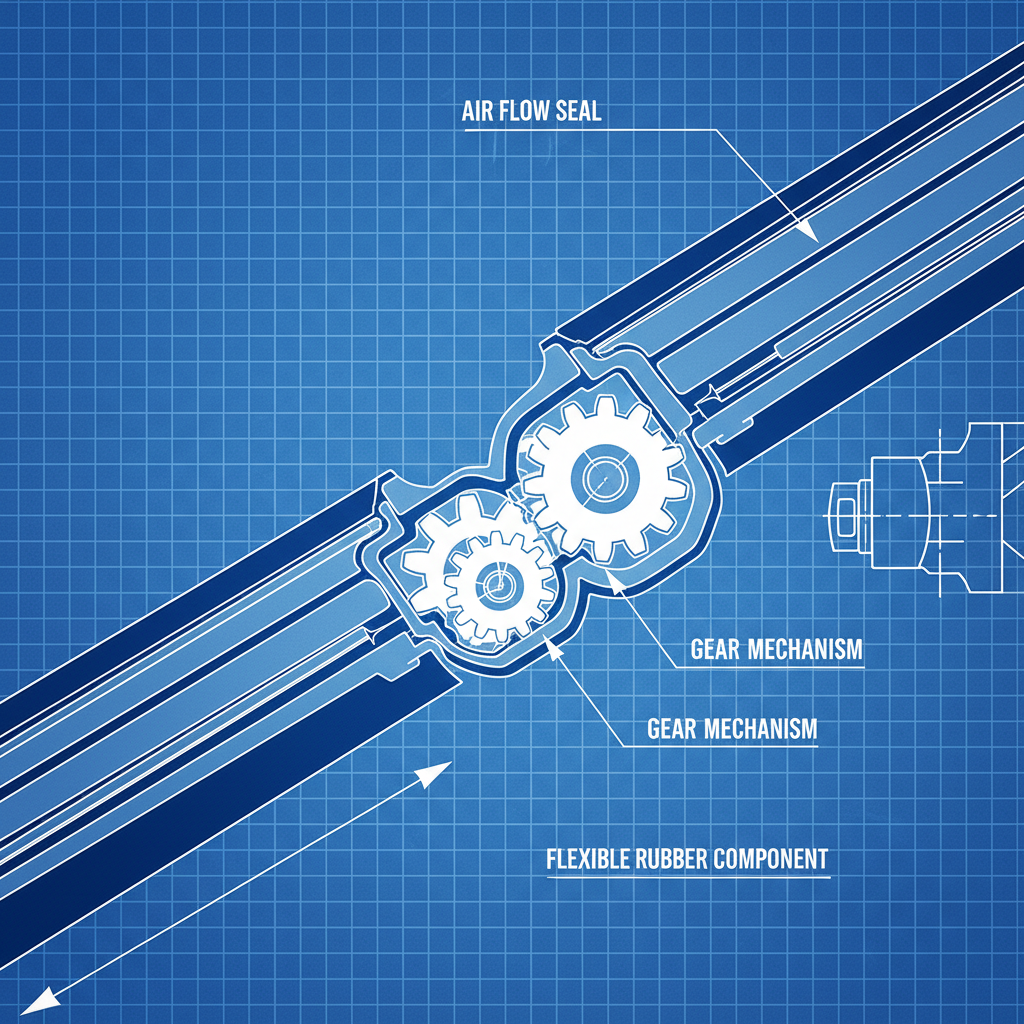
Air conditioning rubber sealing strip are specialized components designed to create an airtight seal between the various parts of an air conditioning unit, such as the panels, doors, and compressor housing. Their primary function is to minimize air leakage, which directly impacts the unit’s energy efficiency and cooling/heating performance. Without these strips, significant amounts of conditioned air can escape, leading to increased energy bills and reduced comfort.
The importance of selecting the right type of air conditioning rubber sealing strip cannot be overstated. Factors such as material composition, temperature resistance, UV stability, and compression set all play crucial roles in ensuring long-term performance and reliability. Understanding these factors is essential for both manufacturers and end-users to optimize the lifespan and efficiency of their HVAC systems.
Defining air conditioning rubber sealing strip
Air conditioning rubber sealing strip are typically extruded profiles made from various elastomeric materials, most commonly Ethylene Propylene Diene Monomer (EPDM), Silicone, or Neoprene. These materials are chosen for their excellent flexibility, weather resistance, and ability to maintain a seal over a wide temperature range. The strips come in a diverse range of shapes and sizes to accommodate different air conditioning unit designs and sealing requirements.
Essentially, these strips function as a barrier against air infiltration and exfiltration. They are strategically placed around the perimeter of access panels, compressor housings, and other openings where air leakage could occur. Proper installation and selection of the correct material are critical to achieving optimal sealing performance.
In modern industry, air conditioning rubber sealing strip contribute significantly to sustainable building practices. By reducing energy waste, they help lower carbon emissions and minimize the environmental impact of HVAC systems. Their role is therefore essential not only for maintaining comfort but also for supporting global efforts towards energy conservation and environmental responsibility.
Key Properties of air conditioning rubber sealing strip
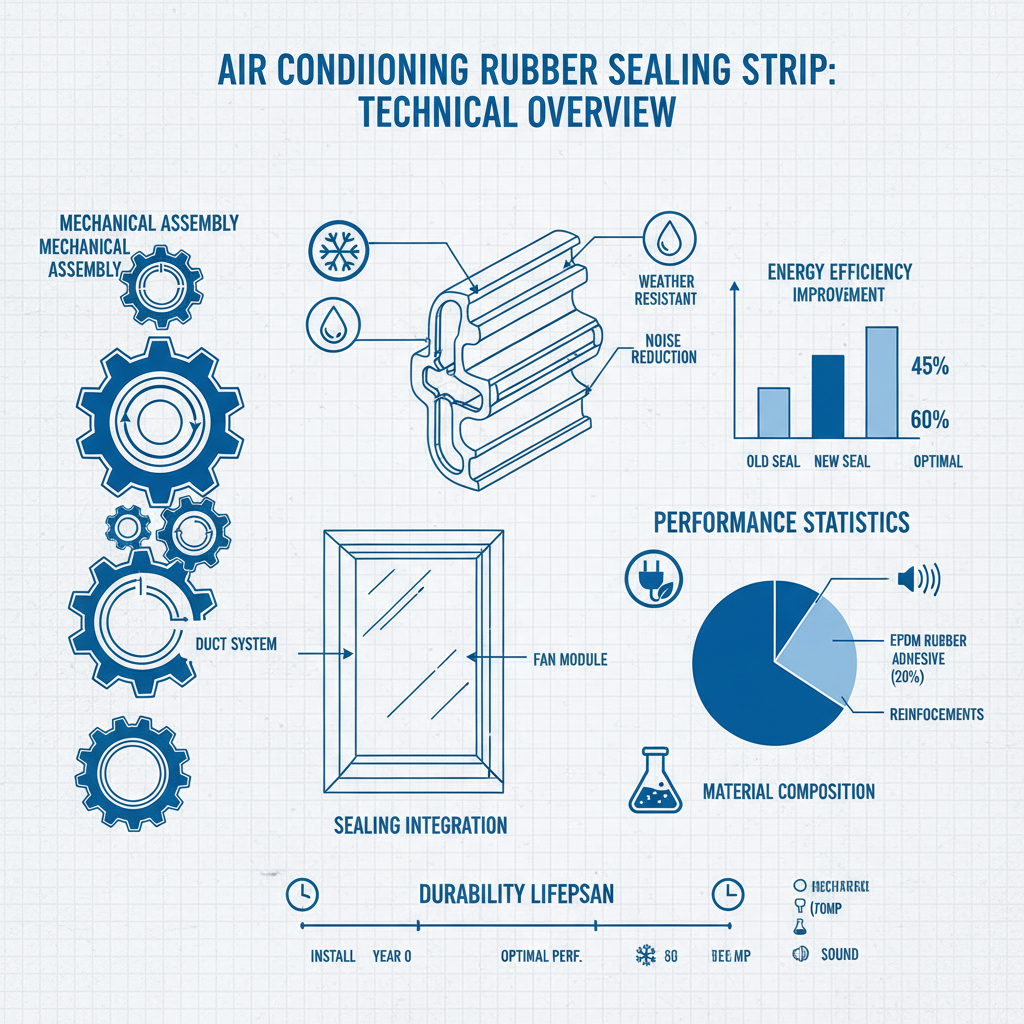
The effectiveness of air conditioning rubber sealing strip hinges on several key properties. Durability is paramount; the strips must withstand prolonged exposure to varying temperatures, UV radiation, and ozone without cracking or degrading. This ensures a consistent seal over the lifespan of the air conditioning unit.
Temperature Resistance is another crucial factor. Air conditioning units operate in a wide range of temperatures, and the sealing strip must maintain its flexibility and sealing properties across this spectrum. Materials like silicone excel in high-temperature applications, while EPDM offers excellent low-temperature performance. Compression Set also is critical; low compression set means the strip will return to its original shape after being compressed, continuing to provide an effective seal.
Furthermore, UV Resistance is important for outdoor units exposed to direct sunlight. UV degradation can cause the rubber to become brittle and lose its sealing capabilities. Finally, Chemical Resistance is vital to prevent degradation from cleaning agents or airborne pollutants that may come into contact with the sealing strip.
Applications Across Industries
Air conditioning rubber sealing strip find widespread application across various industries. In the residential sector, they are used in window air conditioners, split systems, and central air handling units to ensure efficient cooling and heating in homes. The commercial sector, including offices, hotels, and retail spaces, relies heavily on these strips to maintain comfortable indoor environments and reduce energy costs.
The industrial sector benefits from the use of these strips in maintaining precise temperature control in manufacturing facilities, data centers, and cleanrooms. In transportation, air conditioning rubber sealing strip are used in vehicle HVAC systems to ensure passenger comfort. Even in specialized applications, such as medical facilities and laboratories, maintaining a sterile and controlled environment depends on effective sealing solutions.
Air Conditioning Rubber Sealing Strip Performance Metrics
The Advantages of Utilizing air conditioning rubber sealing strip
Implementing high-quality air conditioning rubber sealing strip delivers a range of tangible benefits. Cost Savings are significant, as reduced air leakage translates to lower energy consumption and decreased utility bills. Improved Energy Efficiency aligns with global sustainability goals and contributes to a smaller carbon footprint.
Enhanced Comfort is another key advantage, as consistent temperatures eliminate drafts and hot/cold spots, creating a more pleasant indoor environment. Furthermore, reliable sealing helps extend the lifespan of the air conditioning unit by reducing strain on the compressor and other components. These benefits combine to offer a compelling return on investment.
Future Trends in air conditioning rubber sealing strip
The future of air conditioning rubber sealing strip is poised for innovation driven by sustainability and technological advancements. We can expect to see increased use of bio-based and recycled materials in manufacturing, reducing the environmental impact of these components. Self-healing sealing materials are also under development, offering the potential to automatically repair minor damage and maintain a continuous seal.
Smart sealing systems integrating sensors and IoT connectivity are likely to emerge, enabling real-time monitoring of seal integrity and proactive maintenance. Furthermore, advancements in extrusion technology will allow for the creation of more complex and customized sealing profiles to meet the demands of increasingly sophisticated air conditioning designs.
The integration of digital twin technology will allow for virtual prototyping and testing of sealing solutions, optimizing performance and reducing development time. These trends collectively point towards a future where air conditioning rubber sealing strip are not only more effective but also more sustainable and intelligent.
Challenges and Solutions in air conditioning rubber sealing strip
Despite their benefits, challenges exist in the implementation and performance of air conditioning rubber sealing strip. Maintaining consistent seal quality during manufacturing and installation can be difficult, leading to potential air leakage. Material degradation over time due to exposure to harsh environmental conditions remains a concern.
To address these challenges, manufacturers are investing in advanced quality control systems and improved material formulations with enhanced UV and ozone resistance. Proper installation training for HVAC technicians is crucial to ensure correct placement and secure fastening of the sealing strips. Regular inspection and maintenance programs can also help identify and address potential issues before they escalate.
Finally, embracing lean manufacturing principles can optimize production processes, reduce waste, and improve the overall quality of air conditioning rubber sealing strip. A proactive and holistic approach is key to overcoming these challenges and maximizing the performance and longevity of these critical components.
Summary of Challenges and Potential Solutions for Air Conditioning Rubber Sealing Strip
| Challenge |
Impact on Performance |
Potential Solution |
Implementation Cost (Scale 1-10) |
| Material Degradation |
Reduced Sealing Effectiveness, Air Leakage |
Enhanced UV/Ozone Resistant Formulations |
6 |
| Inconsistent Manufacturing |
Variations in Dimensions, Seal Integrity |
Advanced Quality Control Processes |
8 |
| Improper Installation |
Gaps in Sealing, Reduced Efficiency |
Technician Training Programs |
5 |
| Compression Set |
Loss of Seal over Time |
High-Performance Elastomer Selection |
7 |
| Environmental Factors |
Temperature Extremes, Humidity |
Material Selection for Specific Climates |
4 |
| Cost Constraints |
Compromise on Material Quality |
Life Cycle Cost Analysis |
3 |
FAQS
Air conditioning rubber sealing strips are commonly manufactured from EPDM (Ethylene Propylene Diene Monomer), Silicone, and Neoprene. EPDM is popular for its excellent weather resistance and affordability. Silicone excels in high-temperature applications and maintains flexibility. Neoprene provides good resistance to oils and chemicals. The choice of material depends on the specific application and environmental conditions.
The lifespan of air conditioning rubber sealing strips varies depending on exposure to sunlight, temperature fluctuations, and overall environmental conditions. As a general guideline, they should be inspected annually and replaced every 3-5 years, or sooner if signs of cracking, hardening, or degradation are observed. Proactive replacement prevents air leakage and maintains optimal efficiency.
Higher-quality sealing strips offer superior durability, UV resistance, and temperature stability, leading to a longer lifespan and reduced need for replacements. They provide a tighter seal, minimizing air leakage and improving energy efficiency. While they may have a higher initial cost, they offer long-term cost savings through reduced energy bills and maintenance.
Proper installation is crucial for optimal performance. Ensure the surfaces are clean and dry before applying the strips. Use appropriate adhesives or fasteners recommended by the manufacturer. Avoid stretching or distorting the strips during installation, and ensure a tight, continuous seal along the entire perimeter. Refer to the manufacturer’s guidelines for specific instructions.
Yes, air leaks can often be detected using a smoke pencil or a thermal imaging camera. A smoke pencil emits visible smoke that will be drawn towards air leaks. A thermal imaging camera can identify temperature differences caused by air infiltration, revealing areas where sealing is compromised. These tools can help pinpoint areas needing attention.
Yes, there is growing interest in bio-based and recycled rubber sealing strip alternatives. Some manufacturers are utilizing sustainable materials derived from plant sources or recycled rubber waste. These options reduce reliance on fossil fuels and minimize environmental impact, offering a greener solution for HVAC systems. Further research and development in this area are ongoing.
Conclusion
Air conditioning rubber sealing strip represent a critical, yet often overlooked, component in achieving efficient and sustainable HVAC systems. Their ability to minimize air leakage, reduce energy consumption, and enhance comfort makes them invaluable across a wide range of industries and applications. The advancements in materials and manufacturing techniques continue to improve their performance and longevity.
Looking ahead, embracing innovative solutions like bio-based materials, self-healing polymers, and smart sealing systems will be key to addressing future challenges and maximizing the benefits of these essential components. For dependable and high-performance air conditioning rubber sealing strip solutions, explore our comprehensive range of products and expertise.